On Thursday, oil prices surged dramatically as tensions heightened regarding potential U.S. military actions against Iran, a situation that has rattled both commodity markets and stock investors. Brent crude oil climbed over 5%, surpassing $105 a barrel, while U.S. crude increased nearly 5%, nearing $93 per barrel. This spike in oil prices was mirrored by a rise in diesel futures, which jumped by 4.5% during European trading hours.
The increase in oil prices has further resulted in a noticeable uptick in bond yields. The yield on 10-year Treasury notes surged to 5.35%, reversing a previous decline and causing a ripple effect across other Treasury securities. In response, U.S. stock futures fell, with S&P 500 futures down 0.6% and Nasdaq 100 futures dropping 0.8%. The Russell 2000 futures, which track small to medium-sized companies, saw a decline of 1%.
As discussions continue surrounding the possibility of resuming military operations, sources have indicated that no final decisions have been made. However, with midterm elections approaching, any significant military action could influence public sentiment and voter perceptions.
The prospect of renewed strikes on Iranian targets represents a considerable escalation in an already tense conflict, ending a three-month stalemate between Washington and Tehran. Reports have noted a decrease in commercial shipping traffic through the Strait of Hormuz, a vital conduit for global oil supplies, which has been affected by smaller-scale Iranian attacks. Recent data from MarineTraffic reveals that daily traffic in the strait has plummeted to under 23 vessels a day, in stark contrast to the hundreds that typically traverse this critical route.
Market analysts have cautioned that ongoing conflicts may push oil prices even higher. Bank of America’s global commodities head warned that if current skirmishes persist, Brent crude could fluctuate between $95 and $120 per barrel. Furthermore, a broader conflict could lead to prices soaring as much as $150 per barrel due to potential damage to energy infrastructure.
Compounding these price hikes, shipping costs for crude oil have escalated dramatically. It now costs $77 million to transport U.S. oil to Asia, a steep increase from last year’s average of just $9.2 million for the same route.
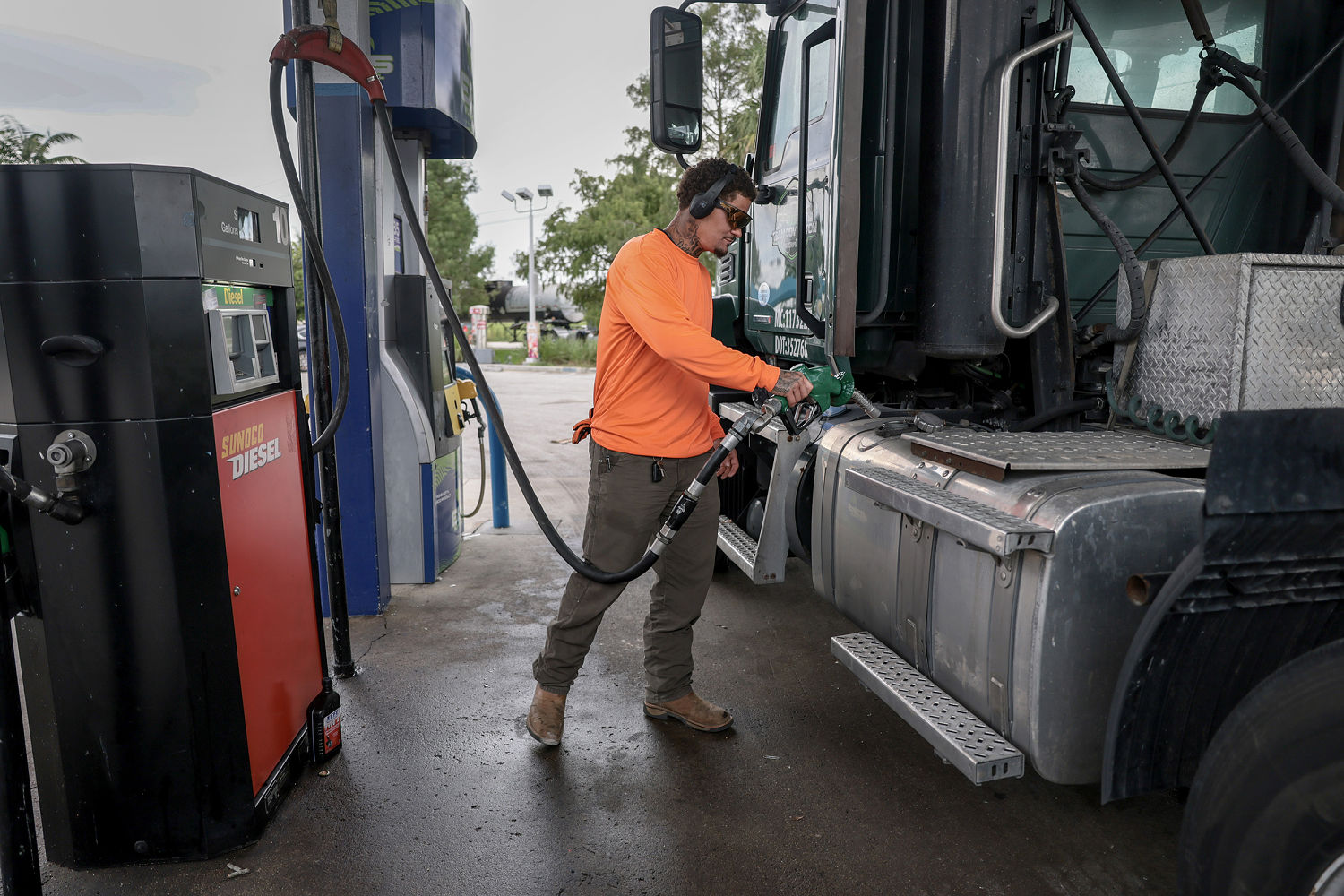
The ramifications of elevated oil prices are being felt at the consumer level, particularly as the nation approaches crucial elections. The average price for regular unleaded gasoline has risen to $4.36 per gallon, which is over 45% higher than prior to the onset of hostilities in Iran. Diesel prices have skyrocketed even further, now averaging $6.28 per gallon, marking a nearly 70% increase since February.
Photo credit: Joe Raedle