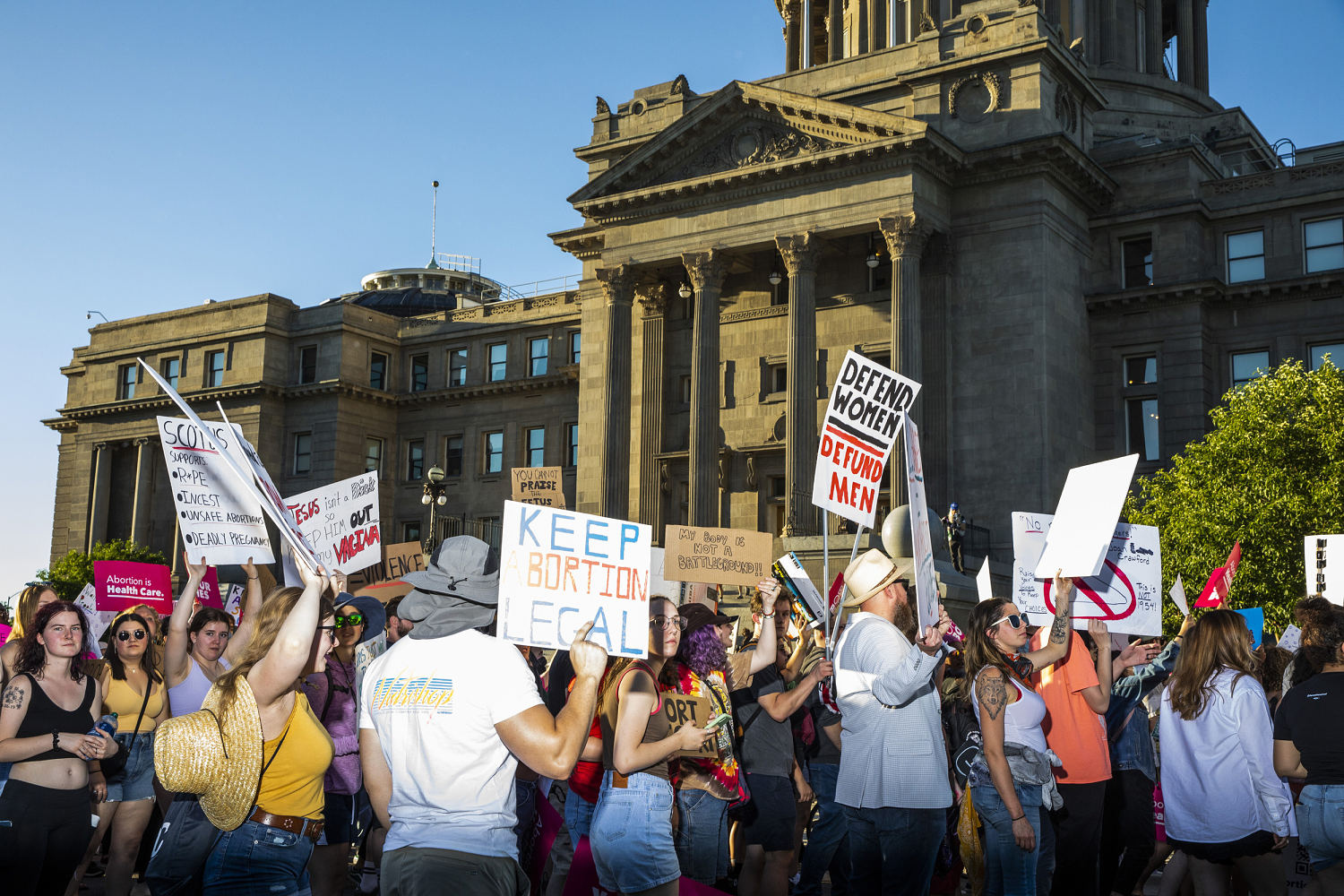
In a significant decision, Idaho voters have opted against a proposed ballot measure aimed at securing abortion rights up to fetal viability. NBC News reports that this rejection effectively maintains the state’s existing abortion ban, which was enacted in 2022 following the Supreme Court’s landmark ruling that overturned Roe v. Wade.
The initiative, known as the Reproductive Freedom and Privacy Act Initiative or Proposition 1, was designed to establish a legal framework for abortion access, permitting regulation only after the point of viability, typically defined as around 23 to 24 weeks of pregnancy. This measure would have gone into effect in 2027.
Proponents of Proposition 1 argued that it emphasized the importance of personal healthcare decisions made in consultation with medical professionals, thus safeguarding individual rights to reproductive freedom and privacy. The initiative aimed to ensure that Idaho residents could make their own choices regarding abortion, contraception, and other reproductive health services.
Despite the initiative’s intentions to expand reproductive rights, the voters’ decision reflects a broader trend, as Idaho continues to hold firm to its strict abortion laws that have been in place since the Supreme Court’s decision in 2022. Data from the Center for Reproductive Rights indicates that since that pivotal ruling, only a handful of states have expanded access to abortion services.
Concerns about the impact of the abortion ban in Idaho are underscored by a recent study revealing that nearly a third of the state’s OB-GYNs have either relocated, ceased practicing, or retired since the ban was implemented, raising alarms about access to reproductive healthcare in the region.
Photo credit: Angie Smith