In a troubling update regarding public health, Wisconsin has reported its first measles-related death in over three decades. This tragic event marks the third measles death in the United States within the same week, following similar fatalities in Pennsylvania and New York.
The Wisconsin Department of Health Services confirmed the death of an infant, stating that measles was the immediate cause listed by the coroner. This incident highlights the alarming resurgence of measles across the country, with the U.S. witnessing eight measles-related deaths this year—the highest count since 1991.
Just a day prior, Pennsylvania reported its sixth measles-associated death of the year, involving an unvaccinated individual who had tested positive for the disease. New York also recorded a measles death earlier this week, prompting Governor Kathy Hochul to declare a statewide disaster emergency in response to the outbreak.
This year, the Centers for Disease Control and Prevention (CDC) has verified a significant uptick in measles cases, with confirmed infections exceeding 4,800. This figure represents a dramatic increase compared to previous years and is attributed to declining vaccination rates nationwide. Notably, none of the deceased were vaccinated, underscoring the risks associated with vaccine hesitancy.
Historically, the U.S. has been considered measles-free since 2000, but the latest developments raise concerns that this status may be at risk. The Pan American Health Organization is set to meet soon to evaluate whether the U.S. should maintain its elimination status amidst these outbreaks.
Measles poses a particularly severe threat to infants and young children, whose immune systems may not be fully equipped to handle the infection. The CDC estimates that 1 to 3 out of every 1,000 children infected with measles may die from complications, including pneumonia and encephalitis.
As the nation grapples with these outbreaks, health officials continue to stress the importance of vaccination as the most effective means of preventing measles and protecting public health.
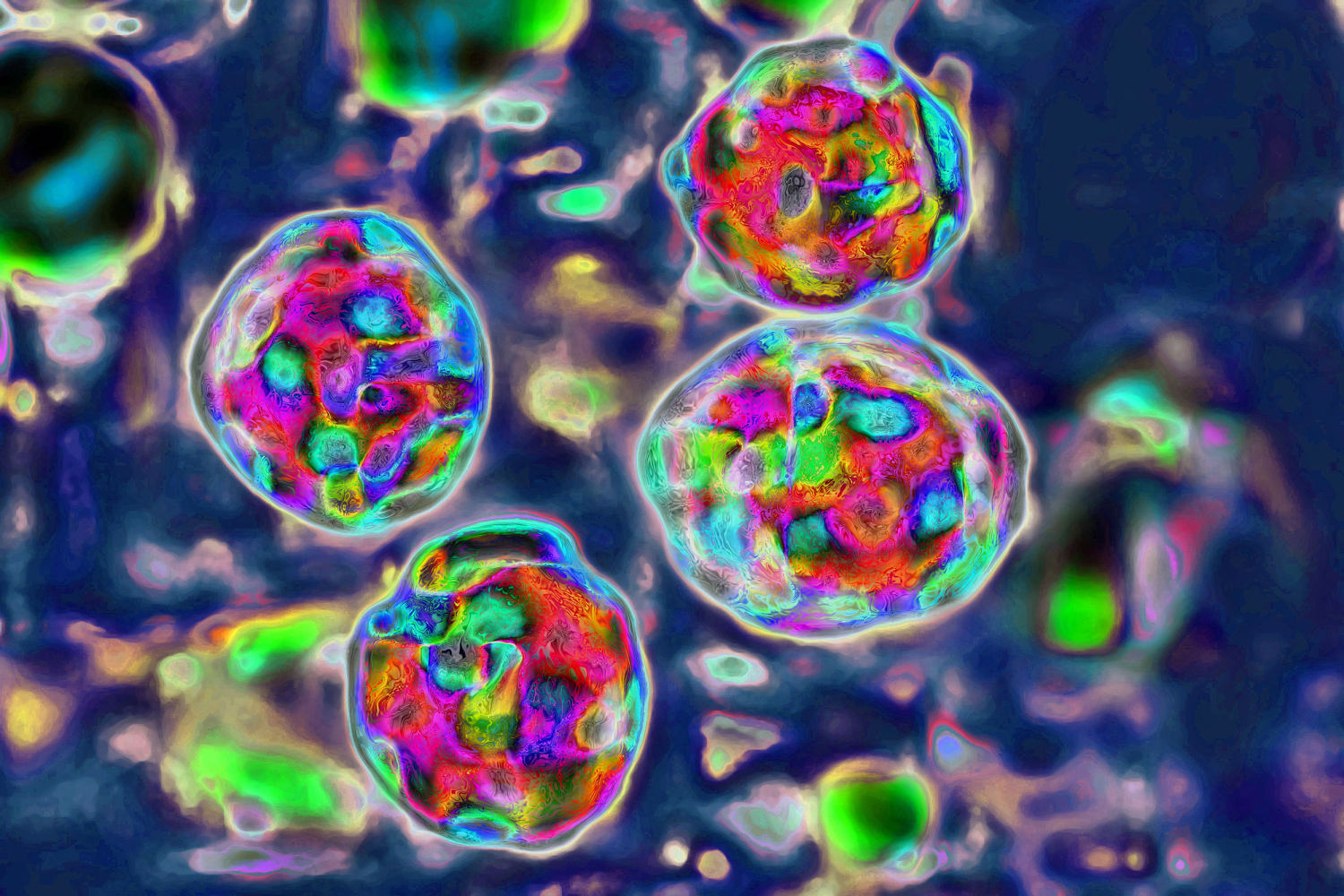
Photo credit: BSIP