As artificial intelligence continues to permeate every aspect of modern life, the allure of handcrafted artistry is experiencing a renaissance, particularly within the branding landscape. Luxury brands like Prada and Hermès are now showcasing the human touch behind their creative processes, emphasizing authenticity in a market increasingly saturated with AI-generated content.
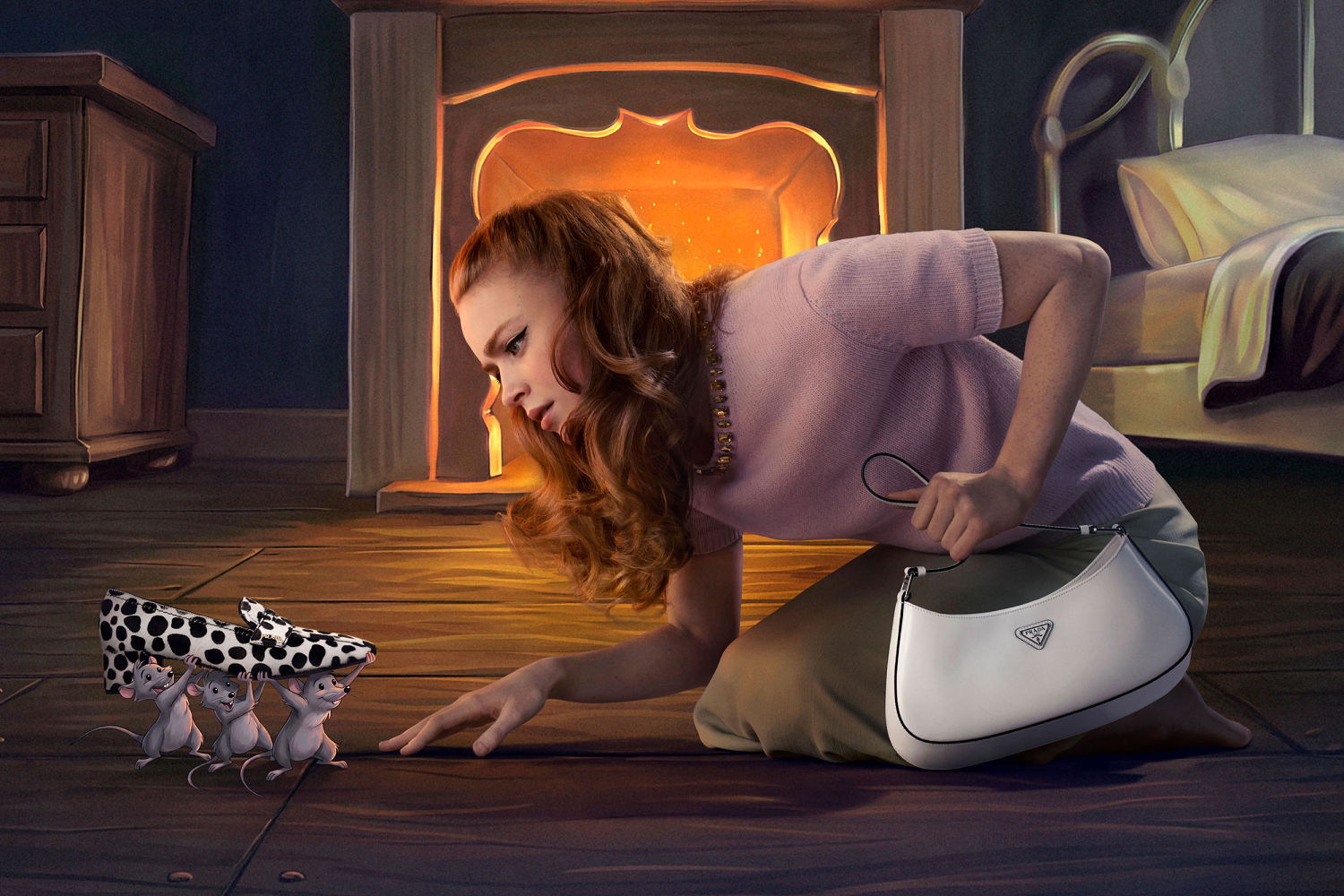
The recent promotional materials for Prada’s 2026 holiday campaign are a prime example. Featuring the intricate craft of hand-drawn animation, the campaign was developed in collaboration with veteran Disney animator John Pomeroy. His nostalgic approach highlights the beauty and complexity of traditional craftsmanship, contrasting sharply with the rapid-fire production capabilities of AI.
Alina Golovlova, a stop-motion artist, has observed a shift in how her work is perceived. She notes that clients are now more eager to showcase the artists behind their projects, which fosters a sense of community and authenticity. This is evident in her recent project for Anthropologie, which featured a handmade needle-felted bunny and intricate embroidery, all crafted by a team of artists dedicated to their trade.
Online responses have overwhelmingly praised this return to human artistry. Comments on social media highlight the appreciation for creativity that is “human made and NOT AI,” suggesting a growing consumer preference for authenticity over mass-produced, artificial creations.
In the face of AI’s rise, some artists, like animator Jon Densk, express a sense of urgency for brands to distance themselves from AI-generated content. Densk recalls his decision to boycott Coca-Cola after they utilized AI in their advertisements, a stance that resonates with many consumers fatigued by digital sameness.
French woodworker Thibaut Malet’s recent collaboration with Hermès further underscores this trend. He was commissioned to create a miniature model of the luxury brand’s flagship store, an endeavor that reflects a commitment to traditional craftsmanship amid the growing influence of AI.
Malet’s experience echoes a broader sentiment that as brands navigate an increasingly AI-driven world, the distinction between handmade and machine-made will become critical to maintaining a luxury identity. The current appreciation for artisanal craftsmanship signals not only a market shift but also a deeper cultural recognition of the value of human creativity in an era dominated by technology.
Ultimately, as the art world grapples with the implications of AI, the resurgence of handcrafted artistry offers a compelling counter-narrative, reminding us that true creativity is an inherently human endeavor.
Photo credit: Glen Luchford for PRADA