
In a notable development for the U.S. economy, October saw the addition of 165,000 jobs, offering a glimmer of hope amid ongoing economic challenges. The unemployment rate dipped to 4.1%, maintaining a streak of near-historic lows.
The latest data reveals that the job growth includes potential contributions from new roles linked to artificial intelligence in the construction and manufacturing sectors. However, many American workers have yet to fully capitalize on the opportunities presented by the AI boom, which has significantly impacted the stock market and fueled substantial investments from leading tech companies.
Notably, the unemployment rate has remained below 5% for 61 consecutive months, a trend that Apollo Global Management’s chief economist, Torsten Slok, suggests is on track to become the longest period of sustained labor market strength in modern U.S. history.
Despite these positive indicators, economists caution against complacency, noting that the labor market is experiencing stagnation with low turnover rates. This trend has resulted in fewer individuals entering the workforce. Diane Swonk, chief economist at KPMG, emphasized the need for increased labor force participation to stimulate growth.
Moreover, wage growth remains sluggish, with average hourly earnings rising only 3.1% from the previous year, falling short of inflation rates currently at 3.7%. This lack of meaningful wage increases raises concerns about the purchasing power of many Americans.
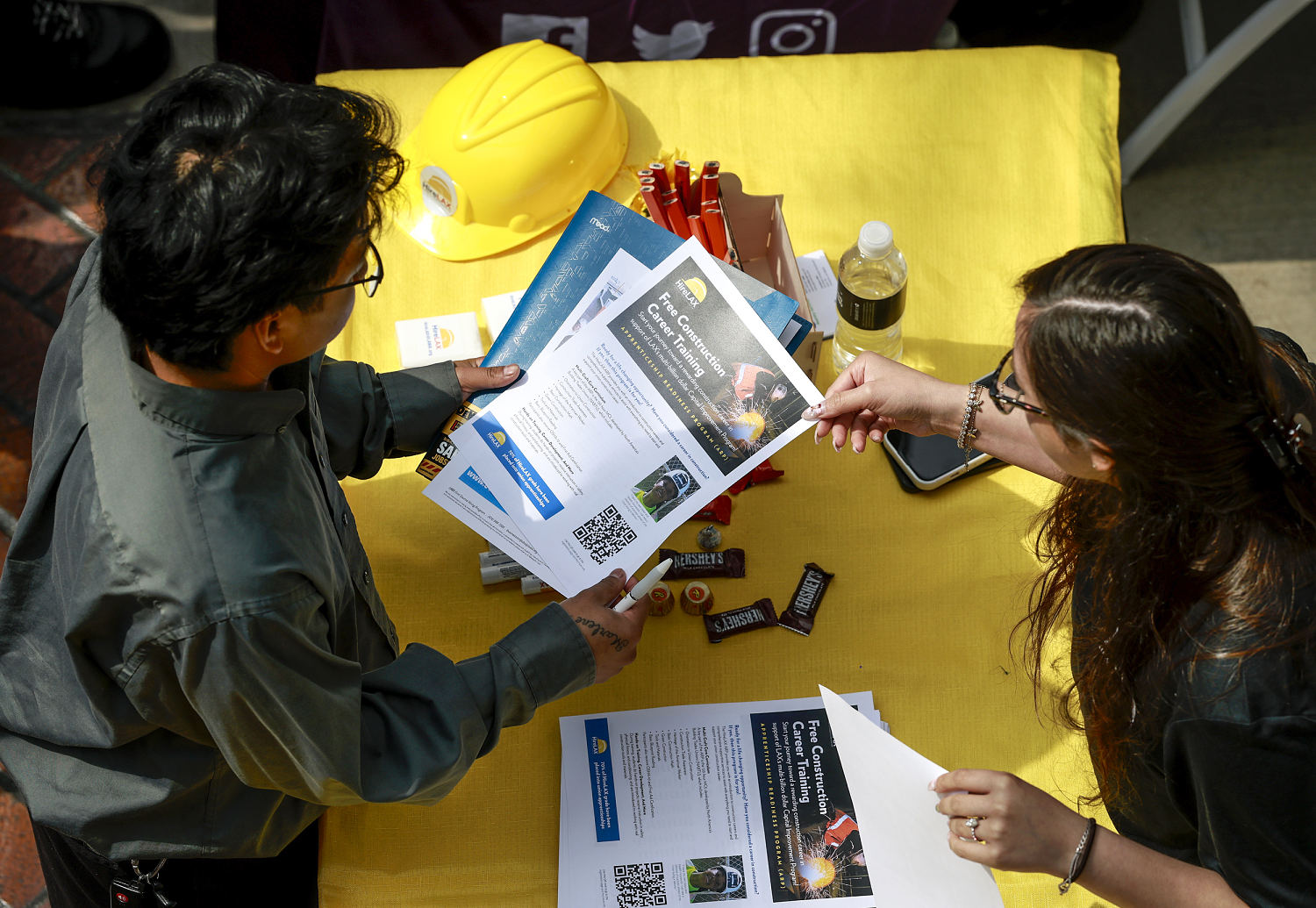
The Bureau of Labor Statistics (BLS) also reported upward revisions to previous job data, with net job gains for August revised from 133,000 to 186,000, and September’s figures adjusted from 29,000 to 60,000. Additionally, the construction sector’s job growth, particularly in nonresidential construction, indicates a rising demand for data center-related roles.
Overall, while sectors such as healthcare and professional services continue to show robust job growth, the housing market remains under pressure, shedding over 15,000 jobs due to high interest rates impacting residential real estate activity.
As the Federal Reserve prepares for its next meeting, Friday’s employment data significantly increases the likelihood of an interest rate hike in December, with market predictions soaring to nearly 80% following the report.
Photo credit: Justin Sullivan