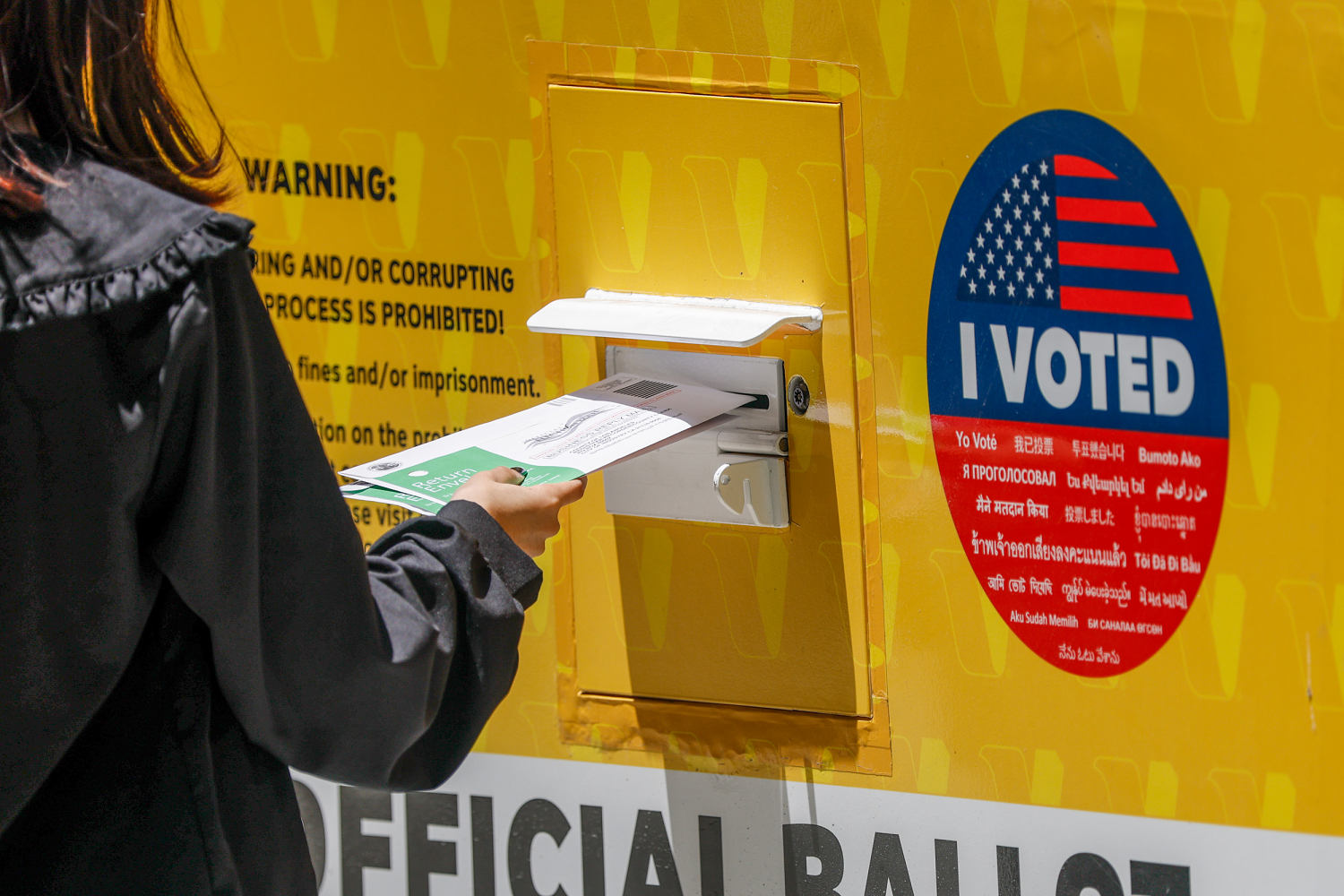
As the November elections approach, a noticeable change is emerging among Democratic voters regarding mail ballots. Recent analyses indicate that Democrats are requesting mail-in ballots at a significantly lower rate compared to previous midterms but are returning the ballots they do request more promptly. This trend, highlighted in a new NBC News Decision Desk report, stems from growing concerns about the reliability of mail-in voting and the U.S. Postal Service.
With just weeks to go before Election Day, this shift could have important implications for the electoral landscape. Historically, Democrats have favored mail-in voting, creating predictable patterns in early voting results. However, the current decrease in requests for mail ballots suggests a pivot towards in-person voting, which may complicate the dynamics of early voting data and party enthusiasm metrics.
In North Carolina, a critical Senate battleground, the data is revealing. Democrats are requesting 40% fewer mail ballots than in the last midterm elections, contrasting with more modest reductions among Republicans and independents. Interestingly, those Democratic voters who do request mail ballots seem to be returning them faster this year, indicating a possible shift in strategy as they seek to ensure their votes are counted in time.
Polling data also underscores this trend, showing a sharp decline in Democrats’ confidence in the Postal Service, dropping from 86% before the 2024 elections to just 60% last month. This contrasts sharply with Republican sentiment, which has remained stable. Furthermore, a growing number of Democrats report plans to vote in person, adding another layer to the changing voting landscape.
In parallel, the political atmosphere is heating up as debates continue across the country. Recent Senate debates have highlighted both party candidates’ efforts to capitalize on dissatisfaction with President Trump, particularly regarding economic issues. The strategies employed by candidates indicate that Republicans are increasingly focusing their campaigns on attacking their Democratic opponents rather than defending their own record under Trump.
As the election nears, the evolving voting patterns among Democrats, combined with the intense campaign strategies observed in debates, suggest a complex and competitive race ahead. The outcomes will likely impact not only the Senate control but also set the stage for future elections.
Photo credit: Ronaldo Bolaños