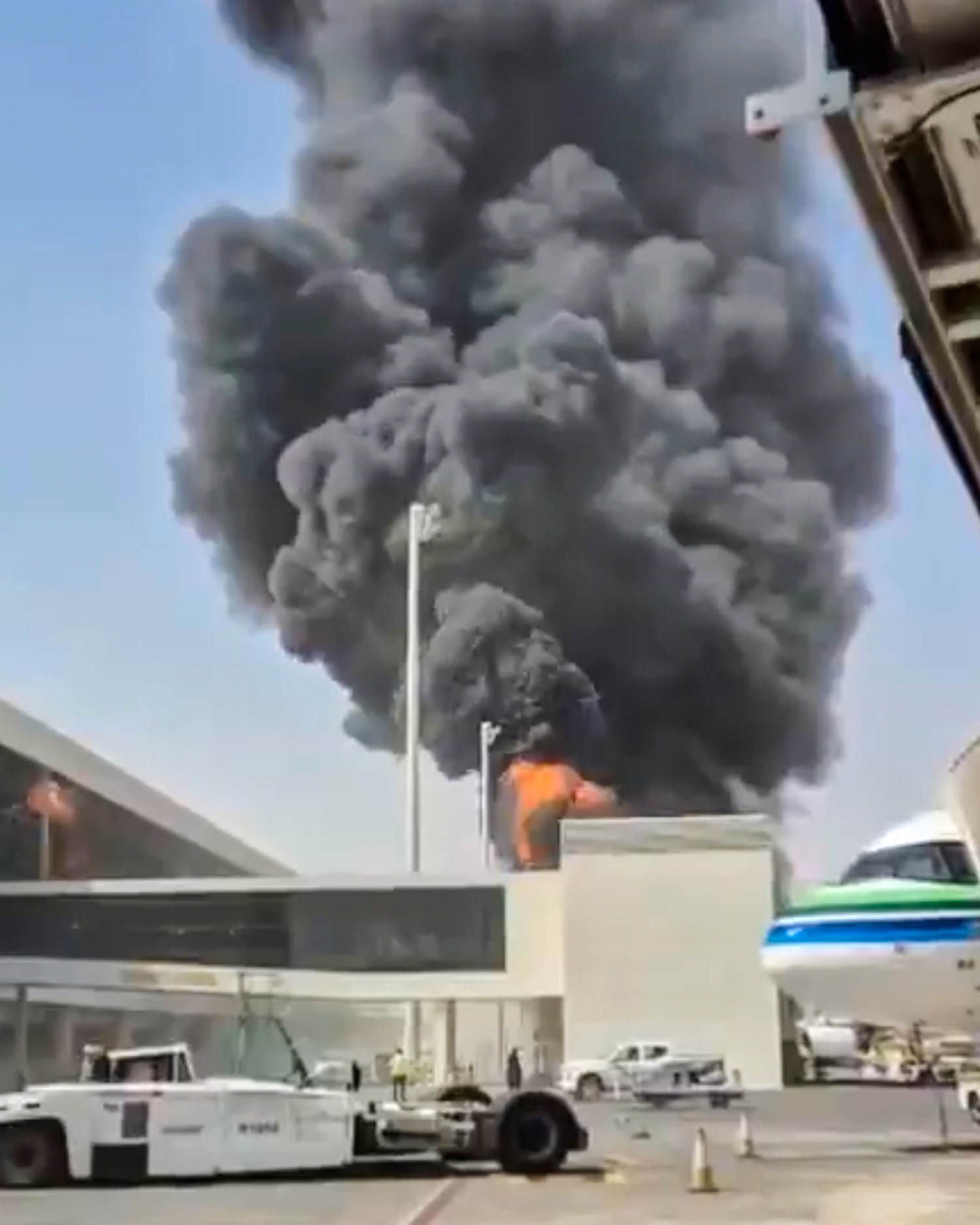
A recent missile attack on King Khalid International Airport in Riyadh has left 12 people dead and over 300 injured, marking the deadliest incident in Saudi Arabia in a decade. This escalation comes amid heightened tensions between Iran-backed Houthi rebels and Saudi Arabia, raising concerns about potential U.S. military involvement in the ongoing conflict.
The assault, which was condemned internationally, has intensified pressures on Saudi Arabia and its allies to respond decisively against the Houthis, who have been increasingly aggressive in their campaign. The U.S. administration, led by President Donald Trump, is weighing the possibility of joining military efforts against the Houthis, following a series of attacks targeting key infrastructure in Saudi Arabia.
The attack on Saturday resulted not only in casualties, including an American citizen and various foreign nationals, but also led to a suspension of airport operations, indicating the severity of the situation. Authorities are working to assess the full extent of the damage and treat those injured, with some victims reported to be in critical condition.
Saudi officials have attributed the responsibility for the missile strike to the Houthis, although the group has yet to claim direct involvement in this particular attack. The incident follows another deadly assault at the same airport just days earlier, raising alarm about the security of Saudi infrastructure and the implications for global energy markets.
Trump’s comments on the situation have sparked discussions around U.S. involvement, as he stated, “We may. We’re gonna look at it.” This statement reflects the administration’s ongoing assessment of the situation after a three-month bombing campaign against the Houthis last year aimed at protecting maritime shipping routes.
The Houthi rebels’ increasing effectiveness in targeting operations has prompted calls for a stronger international response. Experts suggest that while military solutions are complex, enhanced support, particularly in intelligence and defensive capabilities, could empower Saudi Arabia and its allies to manage the threat more effectively.
International reactions have poured in, with nations like Egypt and Germany condemning the attack, while the United Nations labeled it a violation of international law. The Saudi-led coalition has vowed to respond robustly, framing the attack as a serious escalation in the ongoing war that involves multiple regional players.
The situation remains fluid, with the potential for further escalations as the Houthis continue their operations along critical trade routes, underscoring the geopolitical stakes at play in the region.
Photo credit: UGC via AP