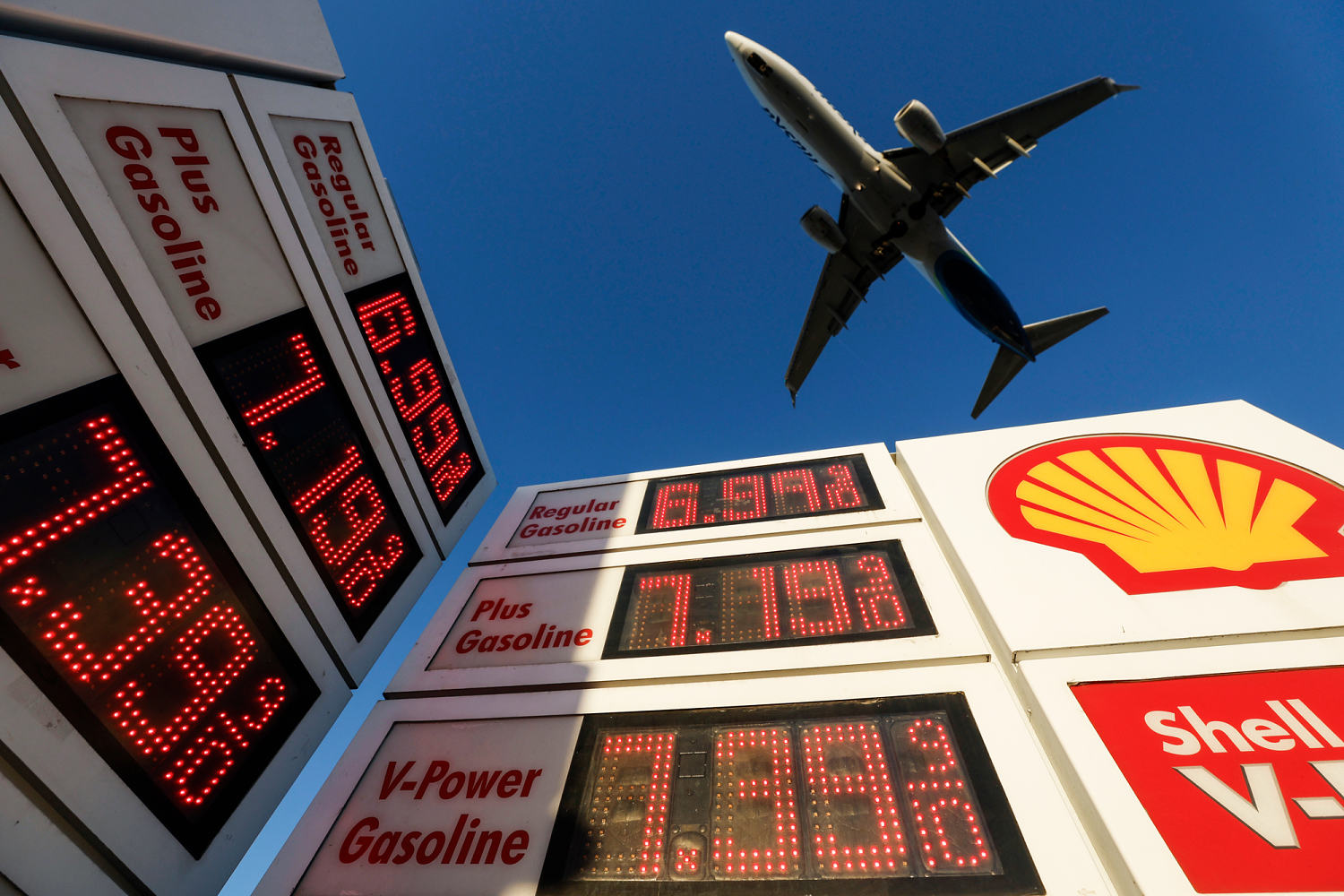
As inflation continues to surge in the United States, the rising costs of energy, particularly diesel fuel, are emerging as a significant contributor to the economic challenges faced by consumers and businesses alike. Diesel prices have skyrocketed over 75% since the onset of the Iran conflict, prompting economists to express concerns about the cascading effects on various industries.
The upcoming consumer price index (CPI) report, set to be released by the Bureau of Labor Statistics, is anticipated to illustrate these pressures, with projections indicating a rise in the annual inflation rate from 3.4% to 3.7%. This increase is expected to reflect broader economic trends, particularly the impact of escalating energy prices, which have been exacerbated by geopolitical tensions.
Fuel prices, especially diesel, have a profound impact on transportation costs, affecting everything from agriculture to consumer goods. Economists warn that the ripple effects of higher diesel prices are felt across the economy, as they influence the cost of goods and services, leading to an increase in inflation that could affect consumer spending patterns.
With early voting for the midterm elections commencing this week, a higher-than-expected inflation reading could pose significant challenges for Republican candidates seeking to maintain their seats in Congress. Voter concerns about the rising cost of living have consistently ranked as top issues across party lines, potentially influencing the electoral landscape.
The inflationary pressures are not limited to fuel; other areas, such as airfare and electronics, are also seeing price hikes. Notably, airfares have risen by 23% year-over-year, driven largely by increased oil costs, which account for a substantial portion of airline operating expenses. Additionally, Apple’s recent price increases on new iPhones, ranging from 10% to 14%, may also contribute to the overall inflation rate, as the company holds a significant share of the U.S. smartphone market.
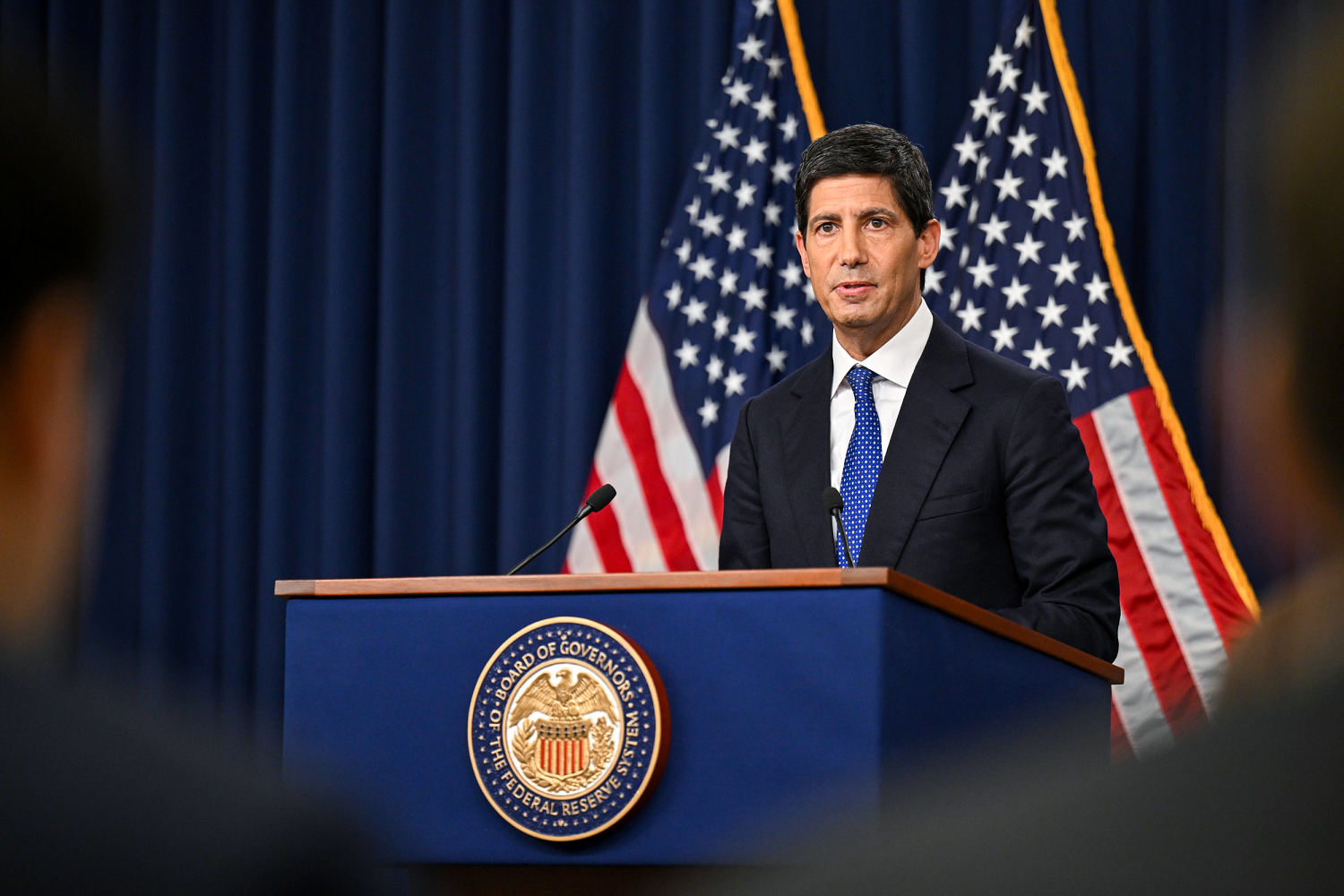
As the Federal Reserve prepares to analyze the latest economic data, the central bank is closely monitoring inflation trends to determine whether further interest rate hikes are necessary. The upcoming CPI report could influence the Fed’s decision-making process, particularly as they aim to navigate the complexities of a recovering economy while addressing inflationary pressures that continue to impact consumers.
Photo credit: Kevin Carter