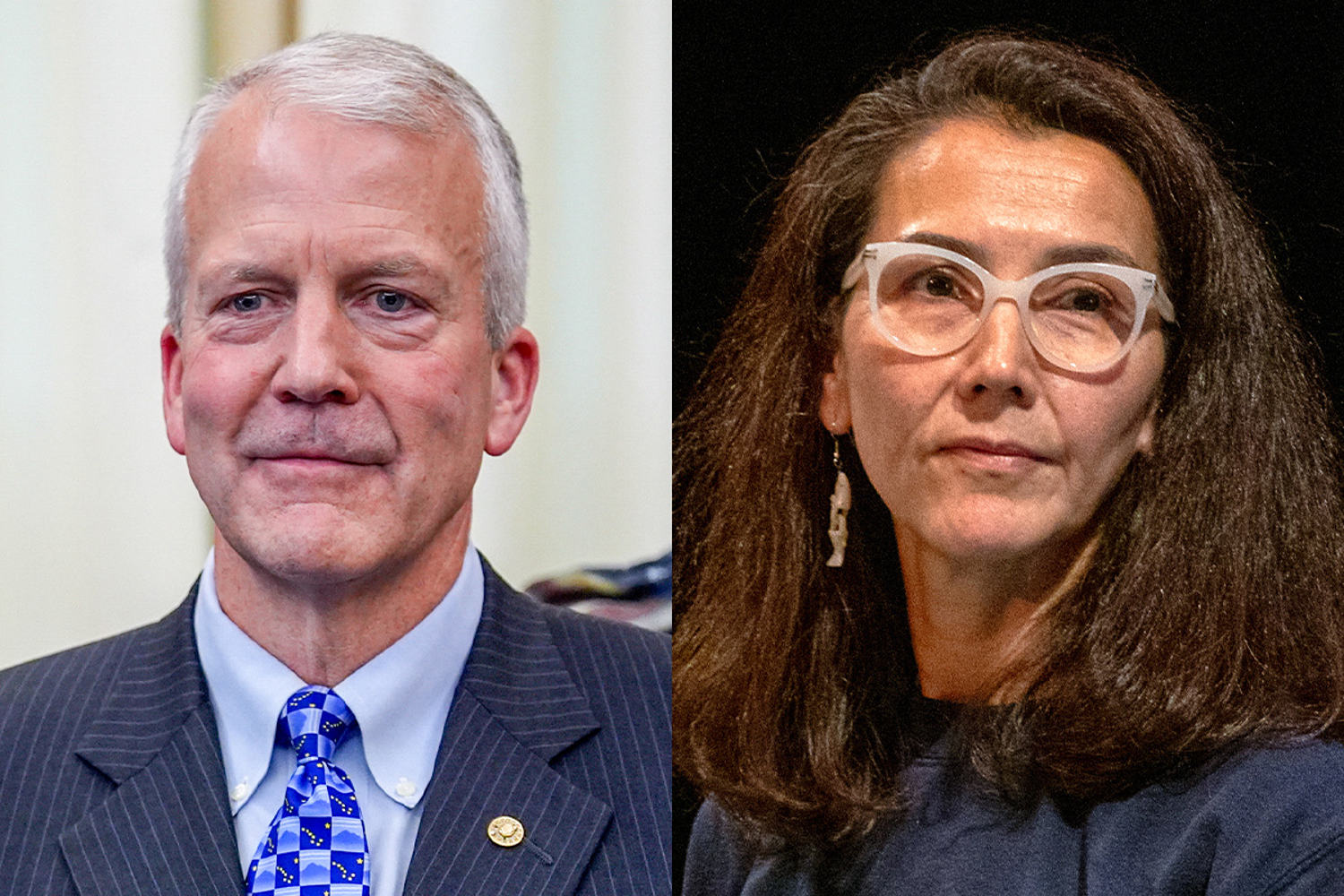
In a heated debate for the Alaska Senate seat, incumbent Republican Dan Sullivan and Democratic challenger Mary Peltola exchanged sharp criticisms on various pressing issues, including the Iran war and rising living costs. The debate, which took place Thursday night, highlighted the contrasting narratives both candidates are using to appeal to voters ahead of the November elections.
Sullivan accused Peltola of seeking a lobbying position following her congressional tenure, citing reports of high staff turnover and dysfunction within her office. “Twenty-five staffers quit on Mary Peltola because she abused them physically and emotionally,” Sullivan claimed, referencing a New York Times article detailing turmoil during her time in the House.
Peltola countered by challenging Sullivan’s wealth accumulation during his twelve years in office, stating, “Dan’s been in D.C. for 12 years and has gotten richer every single one of those years.” She emphasized the importance of addressing the financial struggles of Alaskans, linking Sullivan’s support for the Iran conflict to the rising costs of living.
The race between Sullivan and Peltola is considered a toss-up, with significant implications for the balance of power in the Senate. Democrats are targeting Alaska as a potential pickup opportunity, despite Trump’s prior strong showing in the state.
As the conversation turned to the Iran war, both candidates expressed a desire for the conflict to conclude. Peltola criticized the ongoing military engagement, while Sullivan emphasized the necessity of maintaining pressure on Iran as a state sponsor of terrorism, asserting that “the energy costs from this war are too high.” He also distanced himself from the Trump administration on certain issues, marking a strategic pivot as he navigates the contentious political landscape.
With Peltola having led Sullivan in the August primary, the stakes are high for both candidates as they prepare for the upcoming election. The debate showcased not only their policy differences but also the personal tensions that could shape voter perceptions in this critical race.
Photo credit: Getty