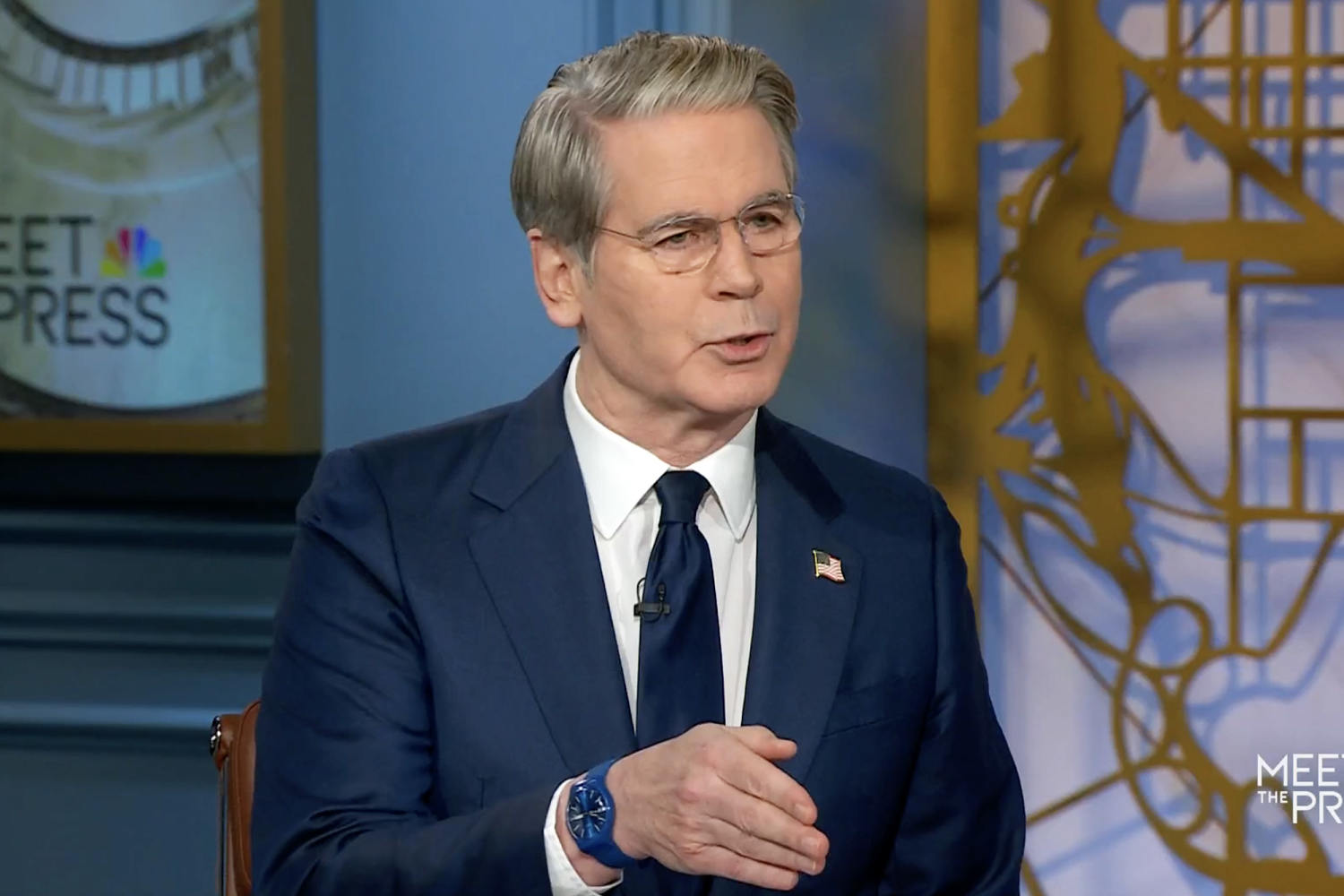
In a recent appearance on NBC’s “Meet the Press,” U.S. Treasury Secretary Scott Bessent found himself at the center of a controversial dialogue regarding Ukraine’s status as an ally of the United States. When pressed three times about whether Ukraine is considered an ally, Bessent sidestepped the question, leading to speculation about the U.S. government’s stance amid ongoing tensions in the region.
Bessent stated, “We provide the three different things … to Ukraine, so that’s what you do for an ally. We’re not providing those to Russia,” attempting to clarify U.S. support for Ukraine. However, his reluctance to label Ukraine explicitly as an ally raised eyebrows.
During the same segment, Bessent criticized Ukrainian President Volodymyr Zelenskyy for publicly accusing the U.S. of restricting resources, including Starlink services, crucial for Ukraine’s military operations. Bessent described Zelenskyy’s comments as “reckless,” emphasizing that U.S. officials, including President Trump, have denied any such interference.
The backdrop to this exchange includes escalating military actions, with Ukraine recently resuming strikes on Russian energy targets after a temporary halt. Zelenskyy has voiced concerns that the U.S. is withholding intelligence that typically aids in countering Russian aggression, a claim that adds further complexity to the already strained relations between the two nations.
Bessent also directed criticism towards European NATO allies, urging them to increase their support for Ukraine by providing essential military resources, such as Patriot missile systems. “When President Zelenskyy asked for Patriots, NATO — the European members of NATO — they have plenty of Patriots. Why aren’t they forthcoming with the Patriots?” he questioned.
Zelenskyy’s comments during the interview reinforced the notion that the U.S. must maintain its support for Ukraine, framing any shift towards Russia as a “historic mistake.” The ongoing dialogue reflects the precarious balance of international relations and military strategy as both countries navigate a complex and evolving conflict.
With these developments, it remains unclear how the U.S. will define its relationship with Ukraine moving forward, especially as tensions with Russia continue to escalate. Bessent’s remarks suggest a commitment to supporting Ukraine, but the hesitancy to define the alliance explicitly could signal potential shifts in policy as the geopolitical landscape evolves.
Photo credit: NBC News