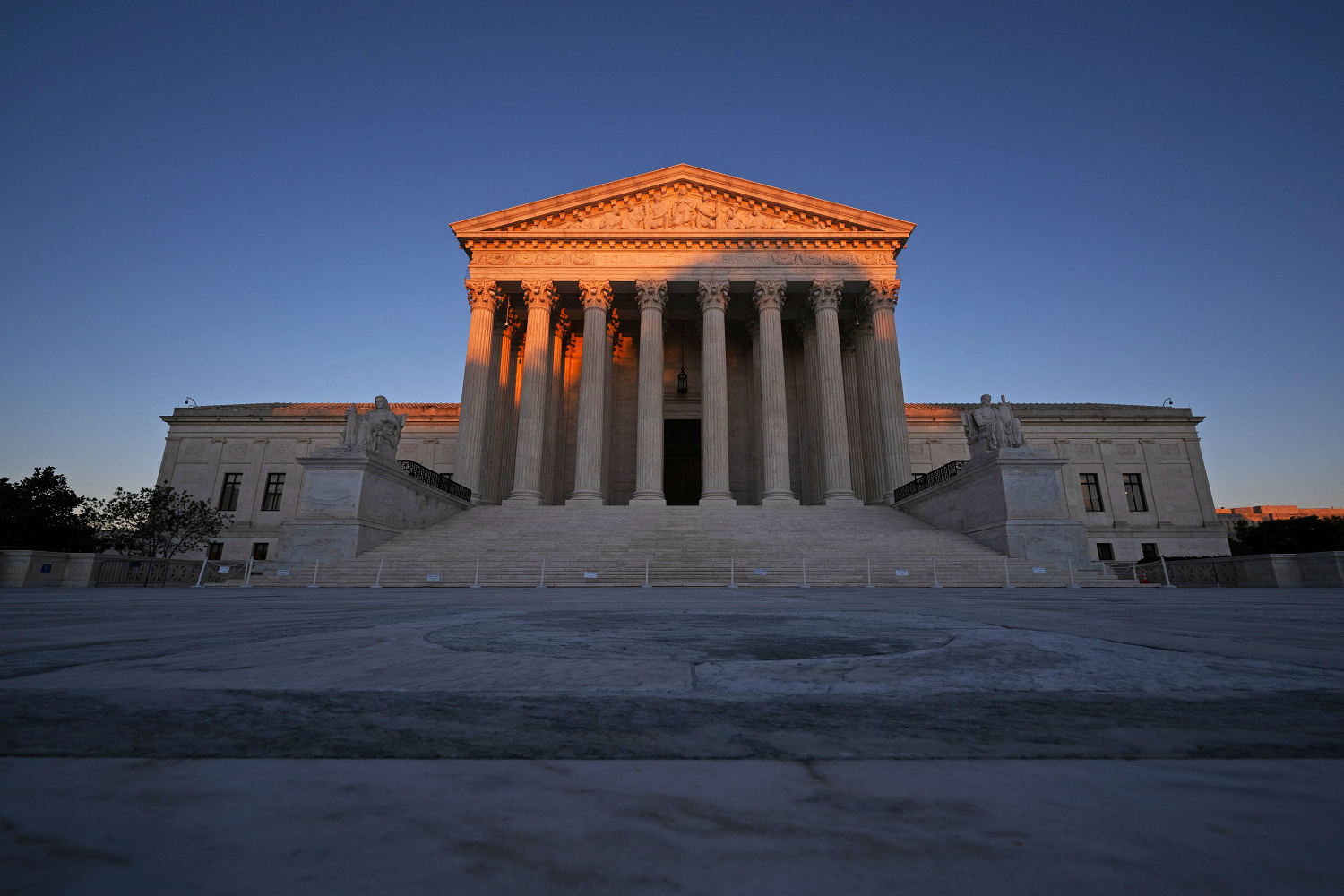
In a significant development, the Supreme Court has announced it will hear a case concerning race-based school admissions policies, this time focusing on a lottery system for magnet schools in Montgomery County, Maryland. The case, brought by the Association for Education Fairness, challenges the legality of these admissions practices aimed at increasing Black and Latino student enrollment.
The appeal targets the Montgomery County Board of Education, which oversees a diverse student population in a suburban area near Washington, D.C. The plaintiffs claim that the admission policy for STEM magnet schools discriminates against certain racial groups, violating the 14th Amendment, which has been at the center of previous Supreme Court rulings on race in admissions.
Similar to last year’s ruling that struck down affirmative action in college admissions, the court’s newest examination will not only address the broader implications of race in admissions but will also delve into the specifics of what evidence is necessary for such claims. This narrower focus could limit the court’s decision’s reach, avoiding a definitive stance on the constitutional question of racial considerations in school admissions.
The lottery-based admissions system, implemented during the COVID-19 pandemic, replaced a previous program that aimed to increase enrollment from lower-poverty areas. This earlier program had included outreach efforts and cognitive testing, following reports of racial imbalances in school representation.
Challengers assert that both policies were explicitly designed to enhance the admission rates of Black and Latino students, thus infringing upon constitutional rights. The implications of this case could resonate widely, especially in the context of ongoing debates about diversity in education and the legal boundaries of affirmative action.
As the Supreme Court prepares to hear this case, it marks a pivotal moment in the ongoing discussion around race, education, and equality in the United States, particularly following the court’s recent decisions that have reshaped the landscape of admissions policies across the nation.
Photo credit: Craig Hudson