After nearly five years of detention in Russia, Stephen James Hubbard, a 74-year-old retired American teacher, has been released, coinciding with a notable thaw in U.S.-Russia relations. Hubbard, who had been residing in eastern Ukraine before his arrest, was taken into custody shortly after Russia’s full-scale invasion in 2022.
Hubbard was apprehended two months into the conflict and subsequently convicted by a Russian court on charges of mercenary activity. His release was announced following a pivotal meeting between Donald Trump’s special envoy, Steve Witkoff, and Russian President Vladimir Putin, which aimed to address the ongoing war in Ukraine.
During their talks, Witkoff expressed gratitude to Putin for facilitating Hubbard’s release, indicating that the American was at St. Petersburg’s Pulkovo Airport, suggesting his return to the U.S. was imminent. Footage from Russian state media showcased Hubbard smiling and thanking Witkoff for his efforts, while Putin reportedly offered “blessings” for his new life ahead.
Putin’s spokesperson characterized the decision to release Hubbard as a humanitarian act, although specifics on the circumstances remain vague. Hubbard’s family has publicly acknowledged the roles of both Trump and Putin in securing his freedom, emphasizing their concern for his well-being since his detention.
Hubbard’s lawyer highlighted that he was the only American currently labeled as wrongfully detained by the U.S. government in Russia, and they have requested privacy as he reconnects with his family. Trump remarked on social media that no “swap” was needed for Hubbard’s release, contrasting the situation with previous high-profile cases involving American detainees in Russia.
Although officially accused of joining a Ukrainian battalion and engaging in combat operations, some family members and former prisoners dispute these claims, insisting that Hubbard was not involved in any military activities. He had lived in Ukraine for several years, teaching English online while navigating the complexities of life in a war-torn region.
Hubbard’s release aligns with a wider trend of American detainees being used as leverage in geopolitical negotiations, a strategy that has seen numerous individuals, including journalists and former military personnel, caught in the crossfire of international diplomacy.
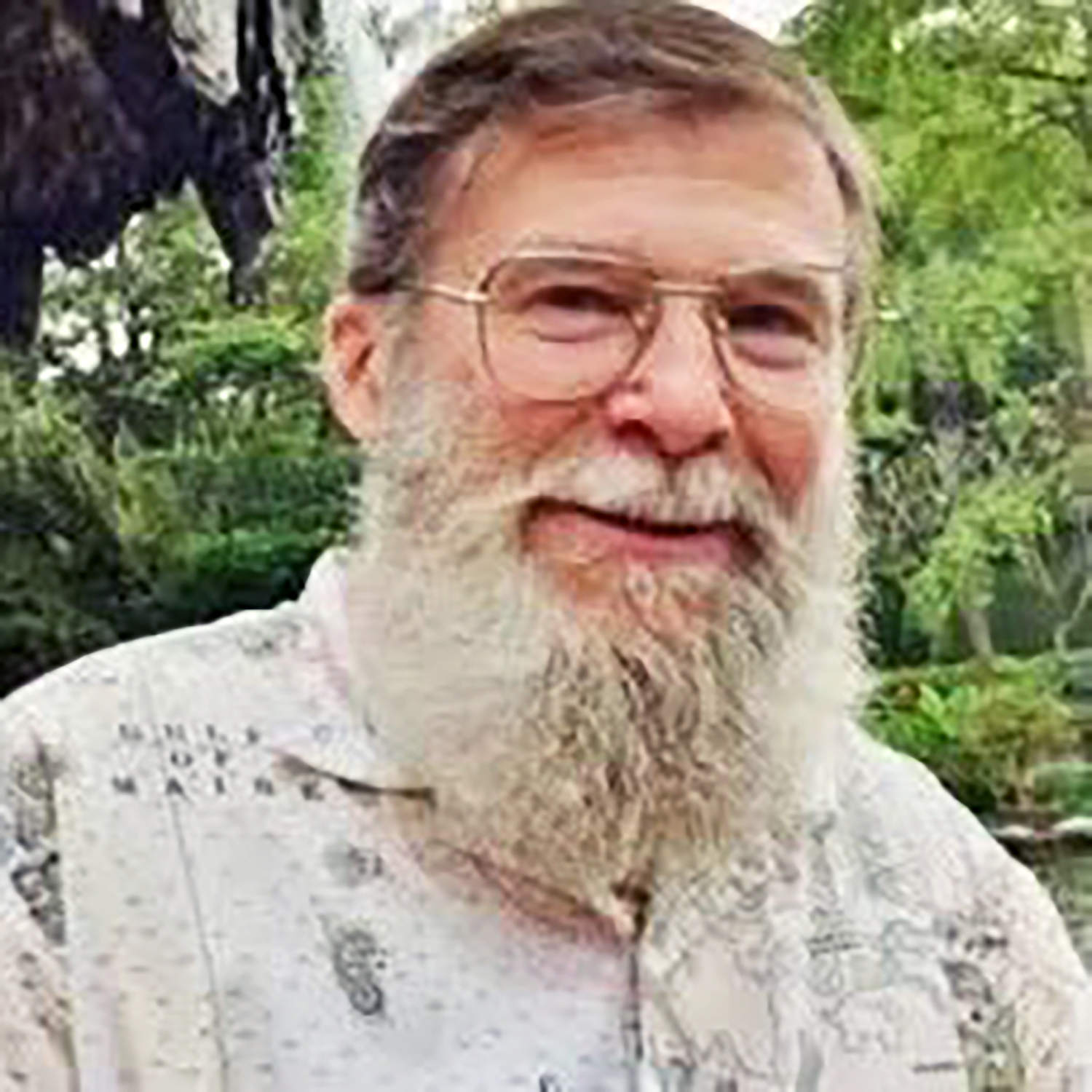
Photo credit: Trisha Hubbard via Facebook