In a significant escalation of tensions, Israeli Prime Minister Benjamin Netanyahu has declared a “full lockdown” of the occupied West Bank following a deadly incident in Hebron. This directive comes after Israeli forces fatally shot two Palestinians who were accused of a shooting attack that left five individuals injured. The move is seen as part of Netanyahu’s broader strategy to reinforce security ahead of the upcoming elections, which could determine his political future.
The shooting, which took place near the Yehuda Junction, has intensified fears amid a backdrop of increasing violence linked to Israeli settlers and military operations during the critical olive harvest season. Netanyahu’s government has faced scrutiny for its approach to security and its handling of escalated tensions in the region, especially with claims of settler violence against Palestinians.
Netanyahu’s response included an emergency meeting with his Security Cabinet and military officials, during which he attributed the attack to Hamas, alleging that the group was preparing a larger assault against Israeli civilians. He emphasized the discovery of significant amounts of weaponry without providing specific details about the attack itself.
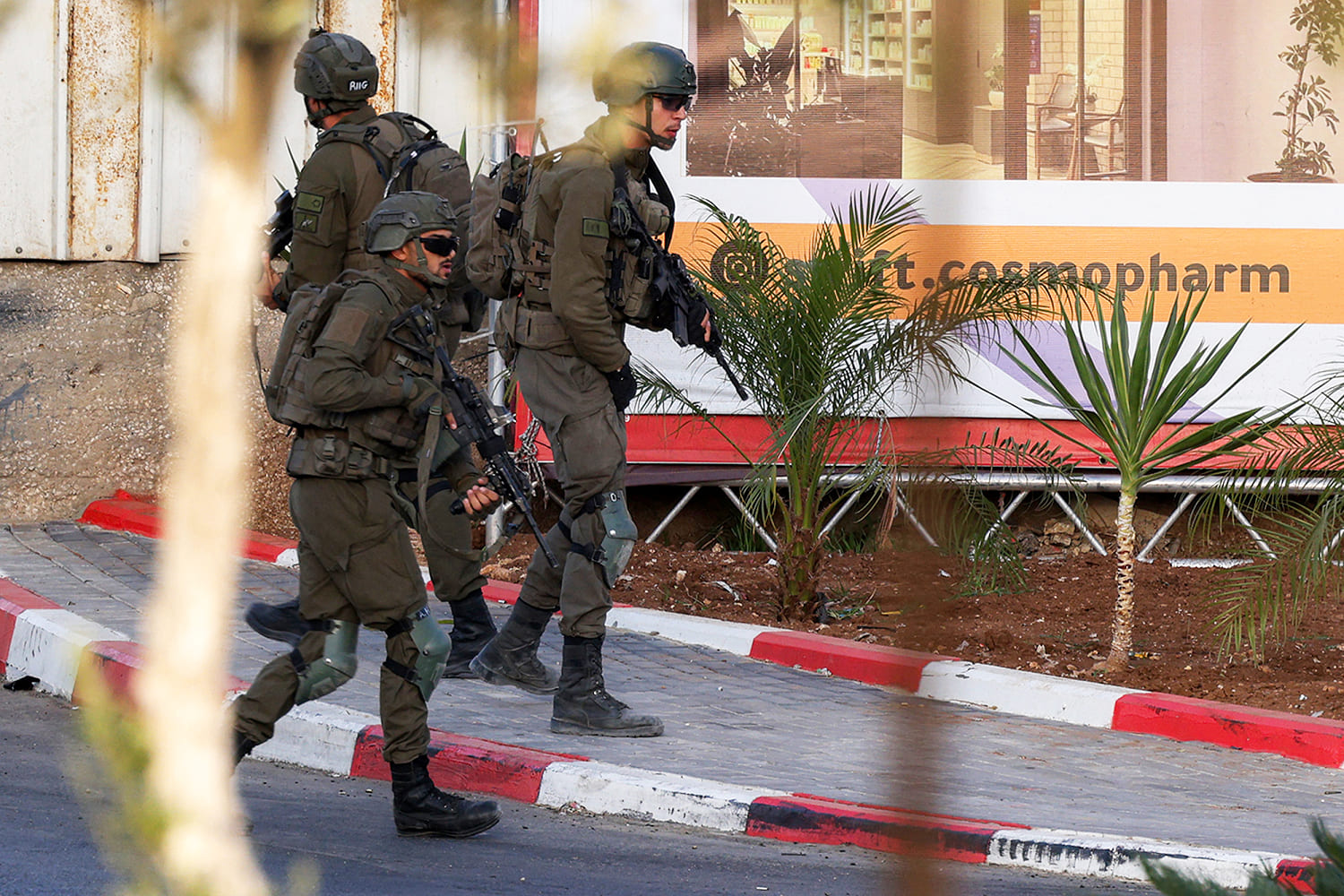
The Israeli military reported that the gunmen were armed with an M16 rifle and a handgun. Following the incident, military operations in the area were ramped up, and numerous soldiers were deployed to maintain order and security.
As part of the lockdown measures, the Israel Defense Forces were instructed to close off Hebron and prepare for a broader lockdown throughout the West Bank. This heightened security comes just days before the Israeli elections, where Netanyahu’s leadership will be tested, particularly in the wake of the Hamas-led attacks from October 7, 2023.
Security Minister Itamar Ben-Gvir has called for the dismantling of the Palestinian Authority in response to the attack, stating that the current situation cannot persist without decisive action against what he termed a “state of terror.” His remarks echo a growing sentiment among right-wing officials in Israel who advocate for a more aggressive military campaign in the West Bank.
The situation remains tense as settler violence continues to rise, with recent reports indicating that attacks have surged during the olive harvesting season, leaving many Palestinians vulnerable. The United Nations has documented numerous incidents of violence, often occurring with the involvement or protection of Israeli forces, raising concerns about the escalating cycle of conflict.
As the conflict deepens, the implications of this lockdown on the local Palestinian population and broader Israeli-Palestinian relations remain to be seen, particularly as both sides brace for the outcomes of the upcoming elections amidst a climate of fear and uncertainty.
Photo credit: Hazem Bader