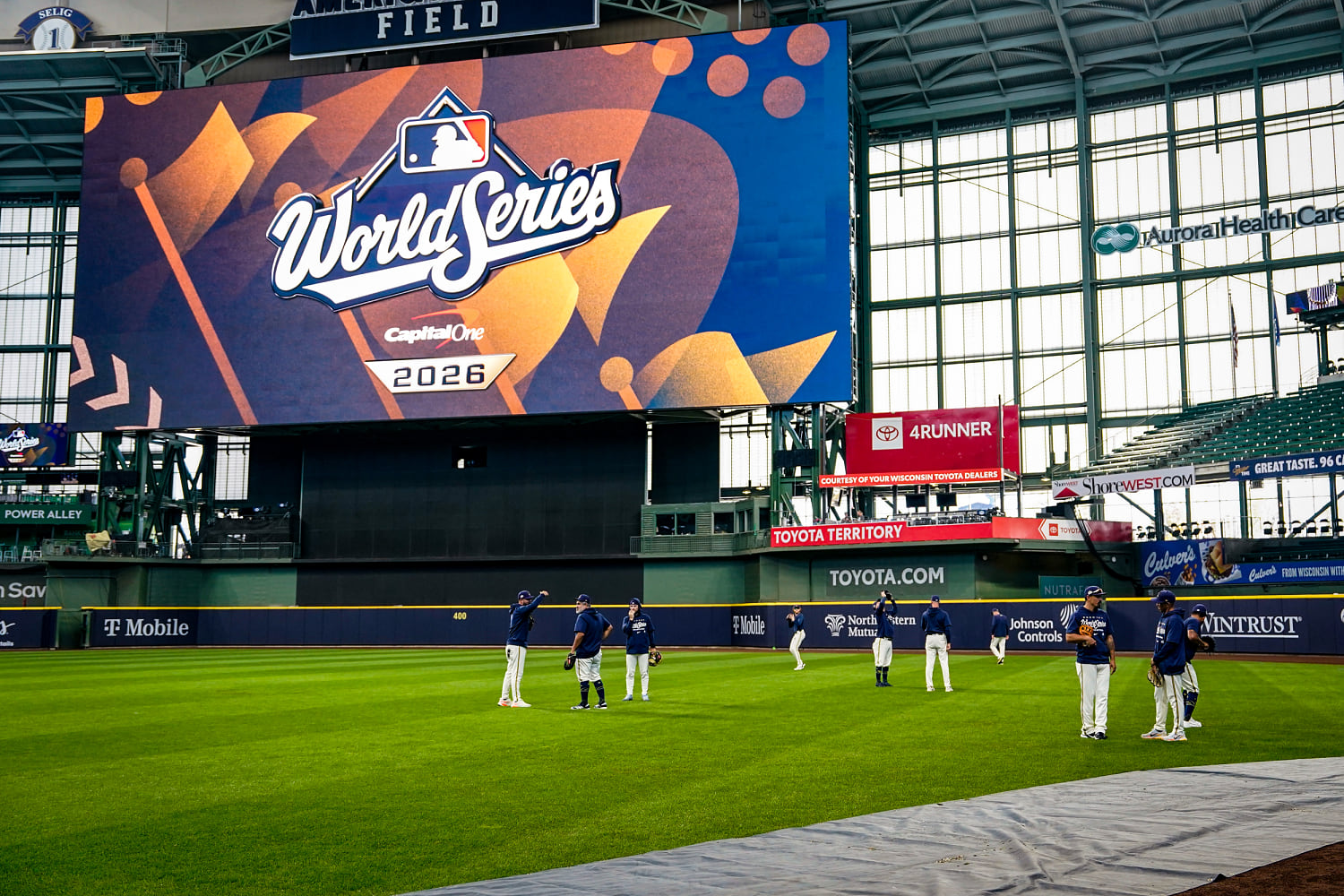
As the World Series approaches, anticipation builds around an unexpected matchup: the Milwaukee Brewers and the Tampa Bay Rays. This year’s contest could mark a significant shift in baseball, as both teams are not only low-budget contenders but also represent small markets, with the Brewers at 19th in payroll and the Rays at 28th.
Historically, the World Series has often featured high-spending teams, but this year breaks that mold. Milwaukee and Tampa Bay faced and defeated big-budget teams in their respective League Championship Series, showcasing their resilience and strategic prowess.
The Brewers swept the Los Angeles Dodgers, a team with a staggering $412 million payroll, while the Rays triumphed over the New York Yankees, who boast a $310 million payroll. This World Series is the first since 1991 to feature teams from the bottom half of MLB payrolls, emphasizing a narrative shift towards competitiveness irrespective of financial might.
However, the Rays, while considered a low-spending team, operate in the 11th-largest television market in the U.S. according to Nielsen. This nuance complicates the narrative of small-market teams, suggesting that revenue potential might not align directly with spending.
As we look toward the championship games, the outcome will not just crown a champion but also set the tone for MLB’s offseason negotiations, particularly amidst looming discussions about implementing a salary cap. The players’ union views this World Series as evidence that competitive balance exists without salary restrictions, countering MLB’s arguments for a cap.
With the backdrop of labor negotiations, the focus turns to whether this matchup will draw viewers. Past World Series featuring marquee teams averaged over 15 million viewers, while smaller market matchups have often struggled to attract attention. The ratings will be closely monitored, as they may influence future decisions regarding team spending and league policies.
Ultimately, the Brewers and the Rays’ success in the face of financial constraints serves as a testament to their strategic acumen and adaptability in an era where big spending often overshadows talent development. As the World Series unfolds, all eyes will be on how these teams redefine success in Major League Baseball.
Photo credit: Kayla Wolf