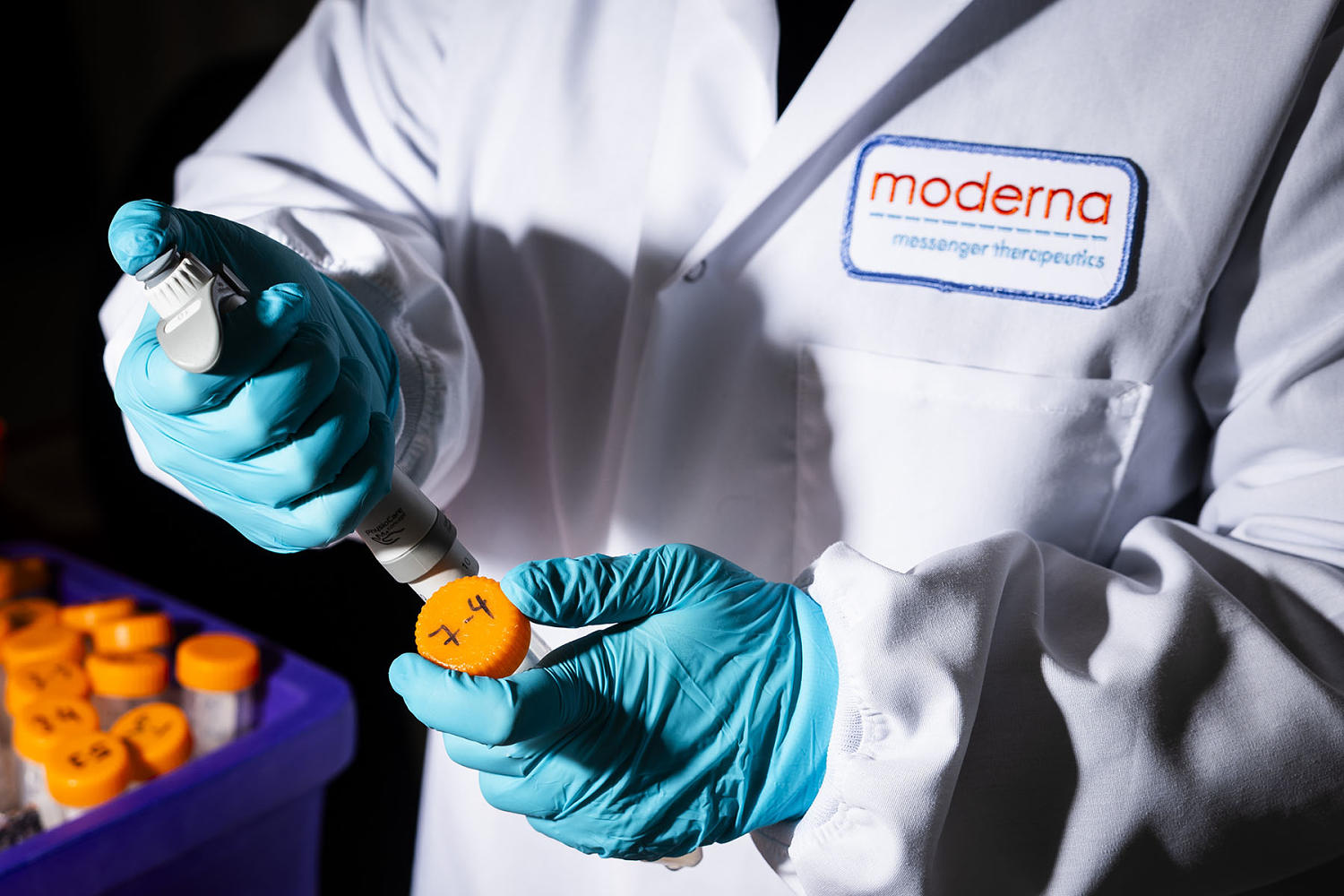
A promising development in the fight against melanoma has emerged from a late-stage clinical trial, where a personalized mRNA vaccine demonstrated a significant reduction in cancer recurrence and mortality. This innovative treatment, known as intismeran, showcased a 42% decrease in these risks compared to conventional therapies, marking a pivotal moment in cancer vaccine research.
Leading experts, including Dr. Robert Vonderheide from Penn Medicine, have hailed these findings as transformative for the field. The results, which will be presented at the European Society for Medical Oncology’s annual meeting in Madrid, bolster hopes for the future of personalized cancer therapies.
The trial involved 1,137 patients with Stage 3 melanoma who had undergone surgery to remove their tumors. Participants were treated with Merck’s immunotherapy drug, Keytruda, alongside the personalized vaccine or a placebo. Remarkably, after two years, 82% of those receiving both treatments remained free from recurrence, compared to 70% in the placebo group.
Dr. Georgina Long, who led the clinical trial at the Melanoma Institute Australia, emphasized the importance of this vaccine in targeting microscopic cancer cells that may remain post-surgery. She described it as a means to “mop up” residual cancer, enhancing the effectiveness of existing treatments like Keytruda.
Intismeran utilizes a similar messenger RNA technology to that of COVID-19 vaccines, allowing for rapid customization based on the genetic profile of a patient’s tumor. Patients received their personalized vaccines in an average of just over nine weeks, showcasing the feasibility of timely delivery for treatment.
Despite the promising outcomes, experts caution that the journey ahead includes challenges, particularly in scaling this treatment for broader use. Only a fraction of trial participants had sufficient tumor samples for vaccine development, raising questions about accessibility for all melanoma patients.
Dr. Bajaj, a melanoma specialist not involved in the trial, highlighted that while the results are encouraging, they represent a modest advancement in treatment options. The full data is pending peer review, and long-term follow-up is essential to assess the vaccine’s sustained efficacy.
Nevertheless, Vonderheide remains optimistic, asserting that the results demonstrate the potential power of cancer vaccines when applied correctly. “This could pave the way for future vaccine strategies aimed at preventing cancer from developing in the first place,” he stated.
As research continues, intismeran is also being evaluated in trials for advanced melanoma cases, further underscoring the commitment to exploring its broader applications across various cancer types.
Photo credit: Adam Glanzman