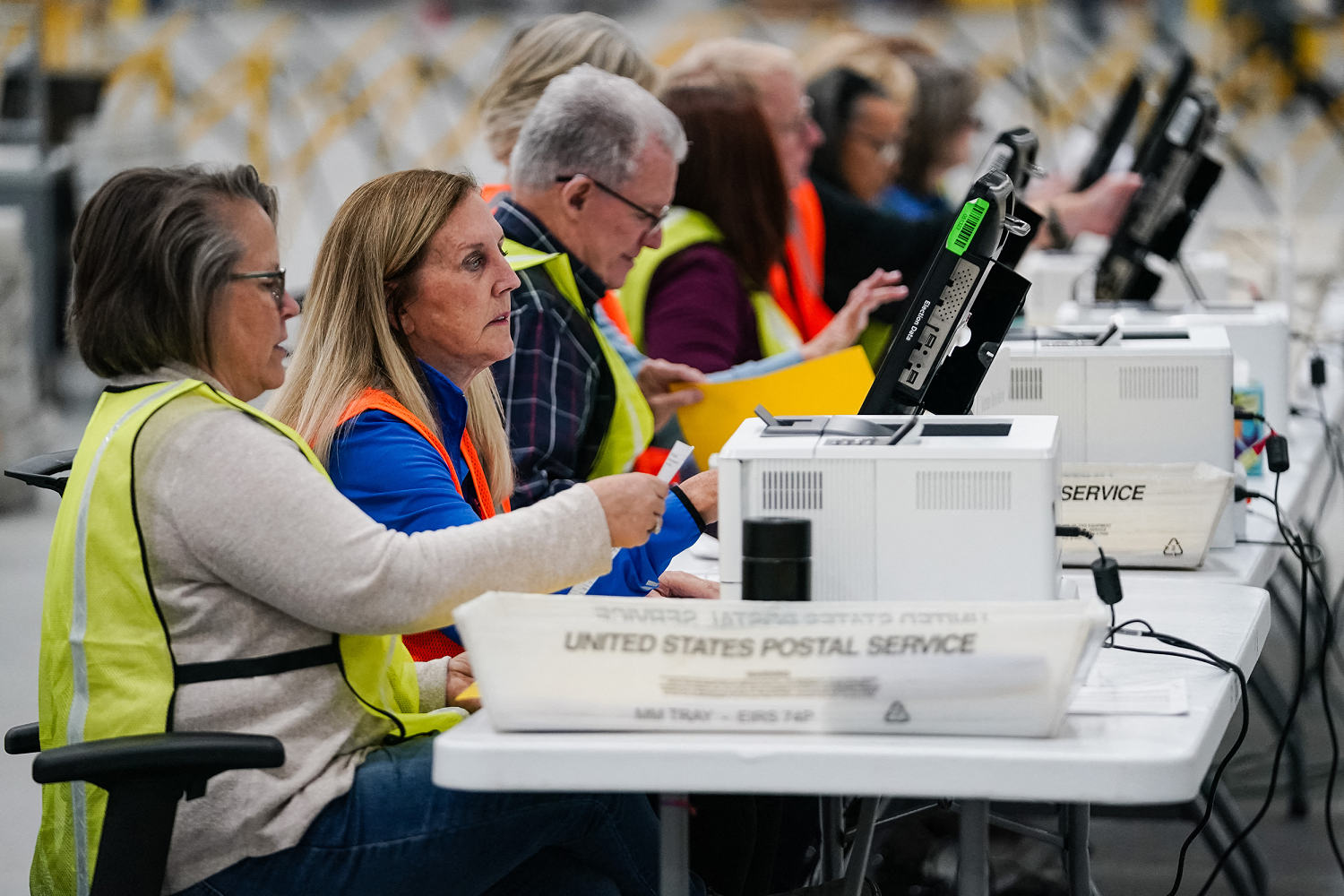
In the lead-up to the upcoming midterms, a notable shift in voting behavior among Democrats has emerged, as they are requesting fewer mail ballots than in previous elections but returning them at a quicker pace. This trend, highlighted in a new analysis by NBC News Decision Desk in collaboration with the University of Pennsylvania, raises questions about the implications for election night dynamics.
As Election Day approaches, concerns surrounding mail-in voting and the reliability of the U.S. Postal Service appear to be influencing Democratic strategies. Many party members seem to be opting for in-person voting rather than relying on mail ballots, or they are taking extra precautions to ensure their votes are counted on time.
This change could have significant implications for how early voting figures reflect voter enthusiasm. Historically, Democrats have leaned heavily on mail-in voting, creating predictable patterns in early election returns. However, if these habits are indeed shifting, analysts may find it more challenging to interpret early vote data accurately and gauge party enthusiasm.
The analysis compared current mail ballot requests and returns with historical data from North Carolina, Georgia, Virginia, and Pennsylvania. It showed that while Democrats are requesting fewer mail ballots, those who do are returning them faster than before. Notably, confidence in the Postal Service’s ability to deliver mail ballots on time has dropped sharply among Democratic voters, from 86% prior to the 2024 election to just 60% now.
Factors influencing this shift include heightened scrutiny of mail voting policies by the Trump administration, which imposed new rules that, although ultimately blocked by the Supreme Court, exacerbated fears about mail reliability. As a result, more Democrats are planning to vote in person this year compared to previous elections.
The data suggests that Democrats’ voting strategies may depend on when they requested mail ballots, with those who signed up before recent concerns likely continuing to use mail voting, albeit with quicker returns. In contrast, those who considered requesting a mail ballot only after these issues emerged are inclined to vote differently.
As the electoral landscape evolves, particularly in states like North Carolina and Georgia—where competitive races could dictate control of the Senate—this trend could reshape expectations for voter turnout and party performance on election night. Observing how these voting patterns unfold will be crucial for understanding the political climate as the midterms draw near.
Ultimately, these developments call for caution in interpreting early voting data and election night results, as a shift toward more in-person voting could alter the timing and reporting of Democratic votes, potentially leading to misinterpretations of party performance.
Photo credit: Elijah Nouvelage