In a troubling development for the U.S. economy, recent reports indicate that inflation is hitting businesses harder than consumers, with producer prices rising sharply last month. According to the latest figures, the annual increase in wholesale prices reached 6.3%, the highest level since late 2022.
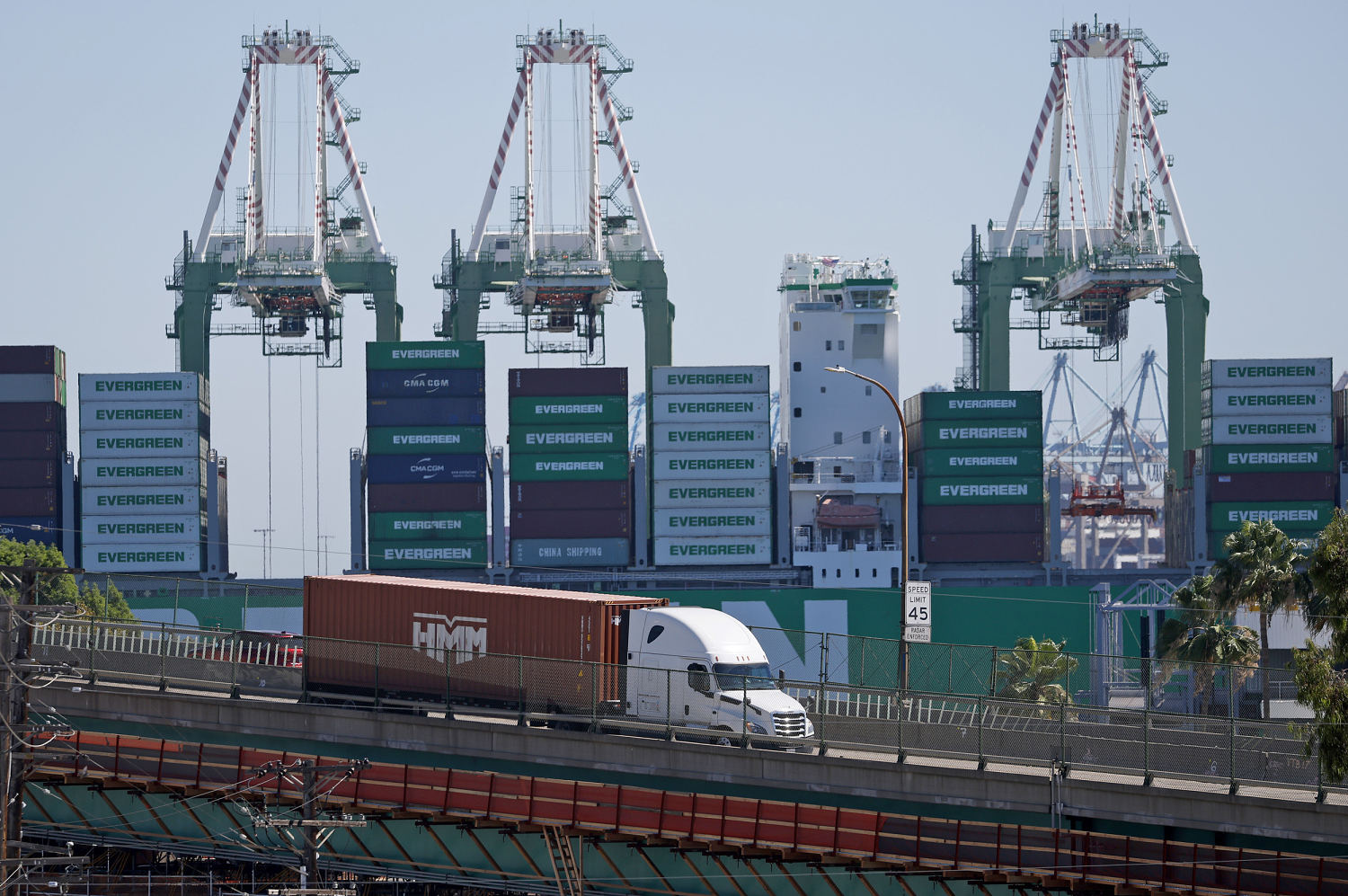
The Producer Price Index (PPI) report, which serves as an early indicator of consumer pricing trends, revealed a 0.6% increase in prices from August to September. This uptick is attributed largely to rising fuel costs, particularly in diesel, which has a cascading effect across various sectors, including agriculture and transportation.
Analysts point out that the broader economic implications of these price hikes could weigh heavily on consumer goods, indicating a widespread inflationary trend rather than isolated incidents in specific sectors. This shift comes ahead of critical midterm elections, where economic conditions are expected to influence voter sentiment significantly.
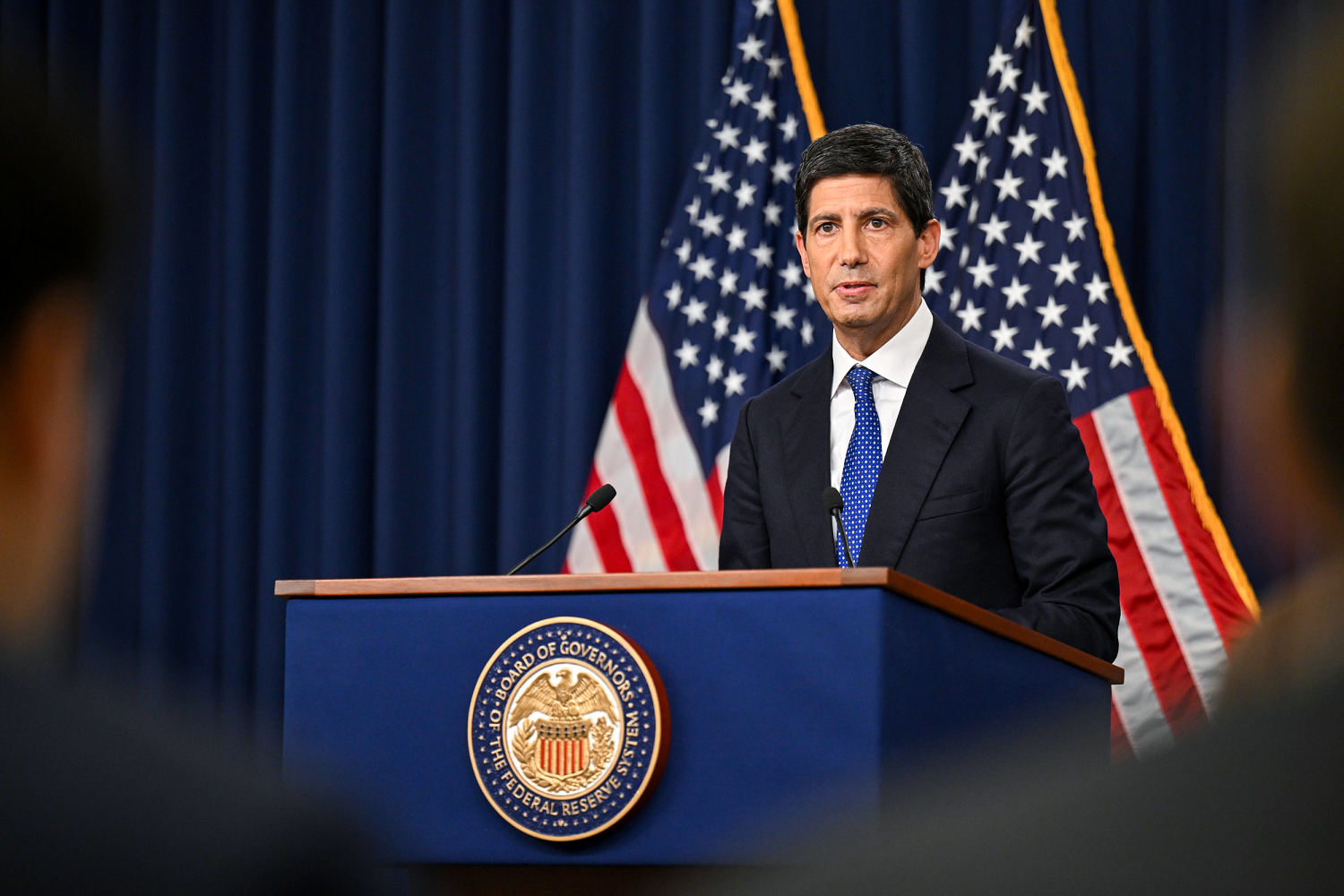
Compounding the issue, the core PPI, which excludes food and energy prices, also saw a notable increase of 0.7% from the previous month, sparking concerns that the Federal Reserve may be compelled to raise interest rates sooner than anticipated. This potential move could further strain consumers already grappling with high borrowing costs, including a 7.45% average interest rate on 30-year fixed mortgages.
The recent inflationary pressures reflect ongoing challenges for the Trump administration’s efforts to stabilize prices. Despite interventions, the expected relief has yet to materialize, leading to heightened uncertainty as businesses navigate these economic headwinds.
Photo credit: Justin Sullivan