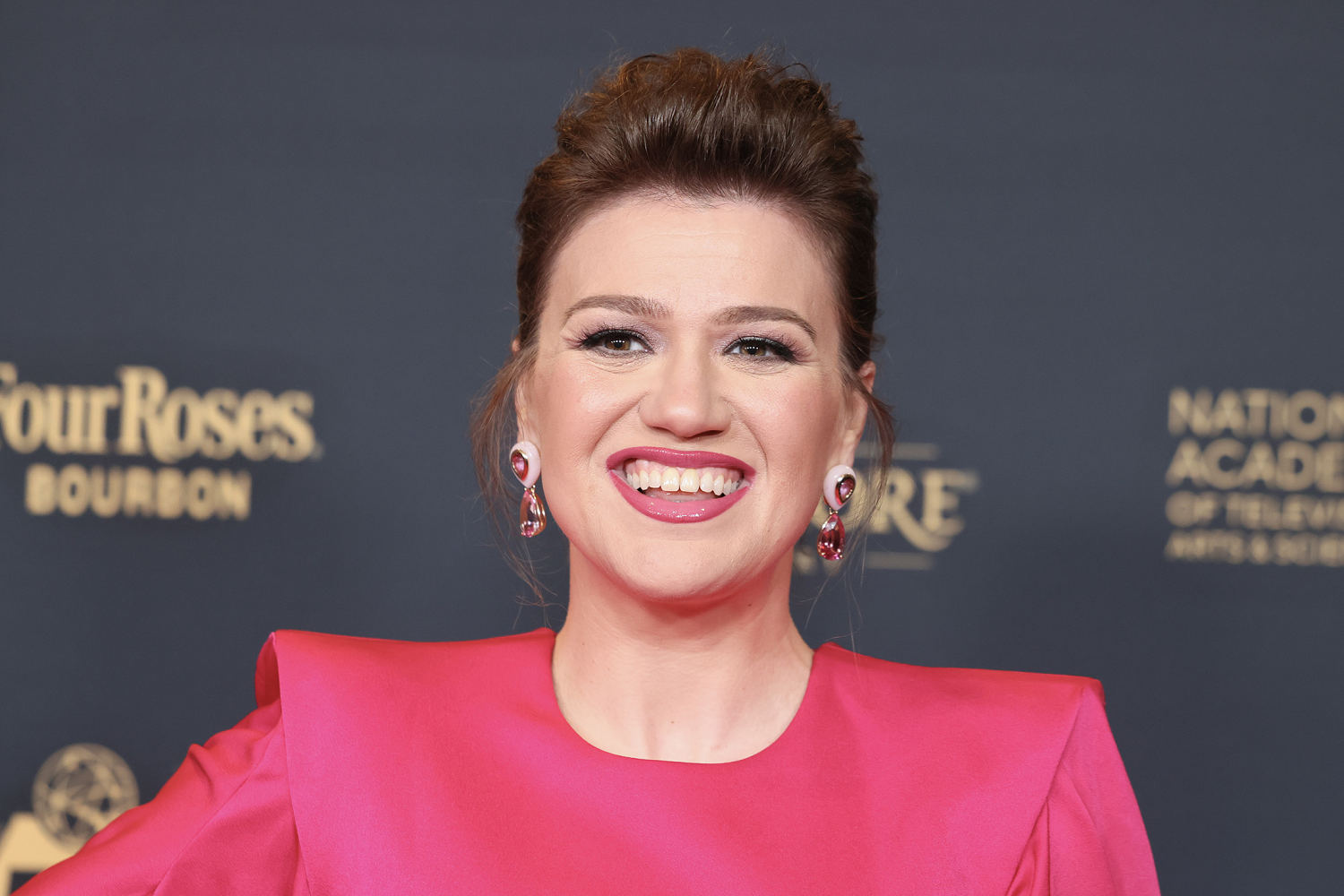
In a recent social media outcry, Kelly Clarkson accused a Brooklyn store, Art of Play, of snubbing her and implying she couldn’t afford its merchandise. However, the store has responded, clarifying that the specific item she inquired about was not for sale.
The Grammy-winning artist took to X (formerly Twitter) to express her disappointment after visiting the shop, where she had intended to make a purchase. Clarkson suggested she was treated poorly, comparing the incident to a famous scene from “Pretty Woman,” where Julia Roberts’ character is similarly dismissed at a boutique.
Clarkson’s comments led to an avalanche of backlash directed at Art of Play, with many users leaving negative reviews and voicing their support for her online. In response, the store explained that Clarkson was interested in a unique automaton—a singing and dancing mechanical bird—which they stated is not for sale because it is integral to their magic shows.
Despite the explanation, Art of Play acknowledged that Clarkson’s experience resonated with many who have felt judged while shopping. They emphasized their commitment to welcoming all customers, regardless of their background or appearance.
In their statement, the store described the overwhelming backlash as surreal, noting the influx of criticism from millions who had never visited their establishment. They expressed hopes of resolving the misunderstanding with Clarkson in the future, even referencing one of her own lyrics, “what doesn’t kill you makes you stronger.”
This incident has sparked discussions about bias and customer treatment in retail settings. Some commentators speculated that Clarkson’s reaction stemmed from not being recognized, while others argued that every customer deserves respect, regardless of their fame or wealth.
As the story unfolds, it highlights both the power of social media in amplifying grievances and the complexities of customer service in the public eye.
Photo credit: Rodin Eckenroth