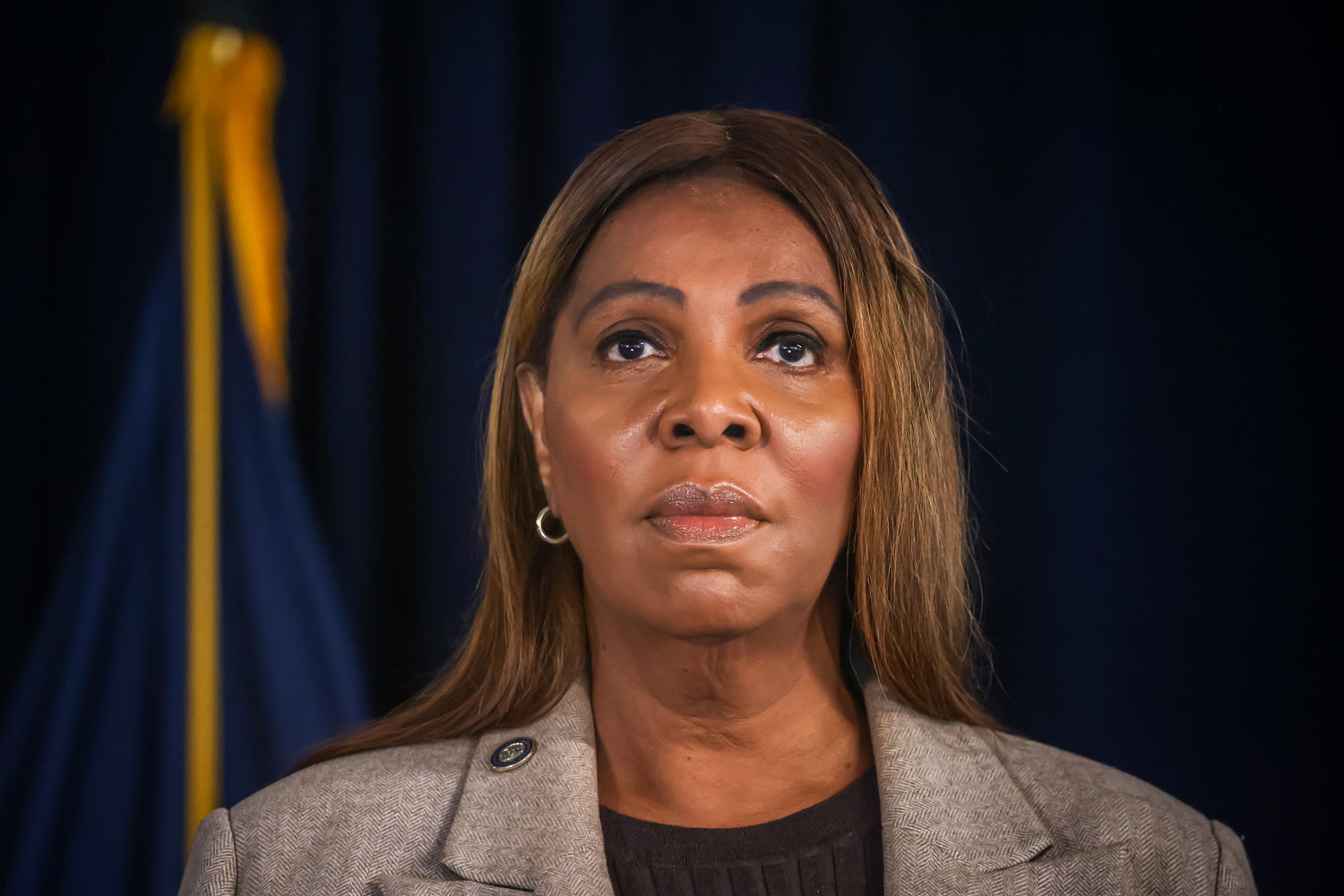
In a significant legal maneuver, New York Attorney General Letitia James has filed a response opposing a petition that seeks to disqualify her from serving as the special prosecutor in the ongoing investigation into alleged sexual assault at a Cornell University fraternity. This move comes as one of the defendants, Gillio Lopes, argues that James has shown bias against him and the other accused individuals.
James’s court filing asserts that the claims made against her lack justiciability, insisting that the petition should not proceed. She contends that the governor holds the authority to appoint a special prosecutor and that attempting to overturn this appointment is unwarranted.
The backdrop of this case involves a lawsuit where a woman alleges she was raped and drugged at a Cornell fraternity house in 2024. The allegations have stirred outrage and have raised questions about the handling of the case by local authorities. James was appointed to the role of special prosecutor by Governor Kathy Hochul on October 1, amid concerns regarding the initial investigation.
James emphasized in her filing that there is no legal standing for Lopes’ petition and that the court should reject it. She has expressed her commitment to conducting a thorough investigation grounded in the facts and the law, countering claims of bias raised by Lopes’ attorney.
Notably, both Lopes and another defendant, Winston Lee, have filed motions to disqualify James, citing her prior statements about the case as evidence of bias. James’s office has not yet formally addressed Lee’s request but maintains that both defendants deny the allegations against them.
The case highlights ongoing challenges in addressing sexual assault allegations within university settings and the implications of prosecutorial bias in high-profile cases.
Photo credit: Michael Nagle