In a significant shift, oil prices surged in early trading on Tuesday, reflecting the evolving dynamics in the Middle East and raising concerns about potential impacts on U.S. gas prices just weeks before the midterm elections. Analysts noted that U.S. crude prices soared by approximately 5%, reaching around $109 a barrel, while international Brent crude exceeded $111, marking its highest level since May.
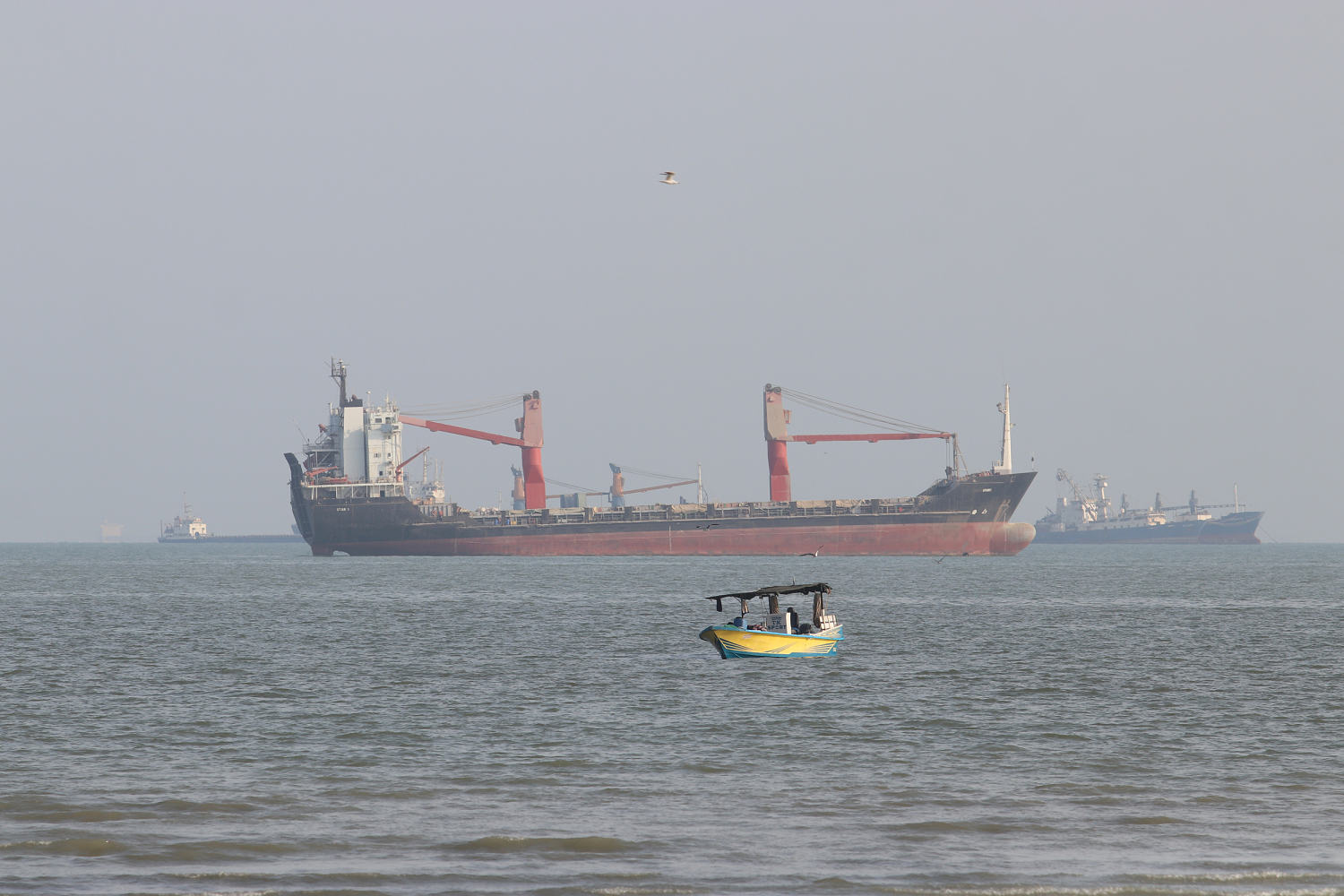
This upward trend in oil prices is compounded by soaring costs associated with transporting oil through the Strait of Hormuz, where the cost of chartering large tanker vessels has quadrupled since September. This increase is largely attributed to heightened risks following a series of maritime attacks, with reports indicating at least 18 vessels have faced threats in recent weeks.
Deutsche Bank analysts project that advanced oil contracts for next year are also experiencing record highs, suggesting a prolonged period of elevated oil prices extending into 2027. Peter Boockvar, Chief Investment Officer at One Point BFG Wealth Partners, emphasized the market’s adjustment to the reality of sustained high prices.
The rising fuel costs have emerged as a critical issue for voters ahead of the midterms, with a recent NBC News poll revealing that 67% of U.S. adults view gas prices as a serious concern. As gasoline prices, which recently averaged $4.28 per gallon, are expected to rise further, the political implications for Republicans seeking to retain control of Congress become increasingly pronounced.
Amidst these developments, the U.K. announced the deployment of fighter jets over Saudi Arabia to bolster defenses against potential Houthi attacks. The escalation of military involvement in the region reflects growing tensions as countries navigate the complex landscape shaped by recent events.
Photo credit: Razieh Poudat