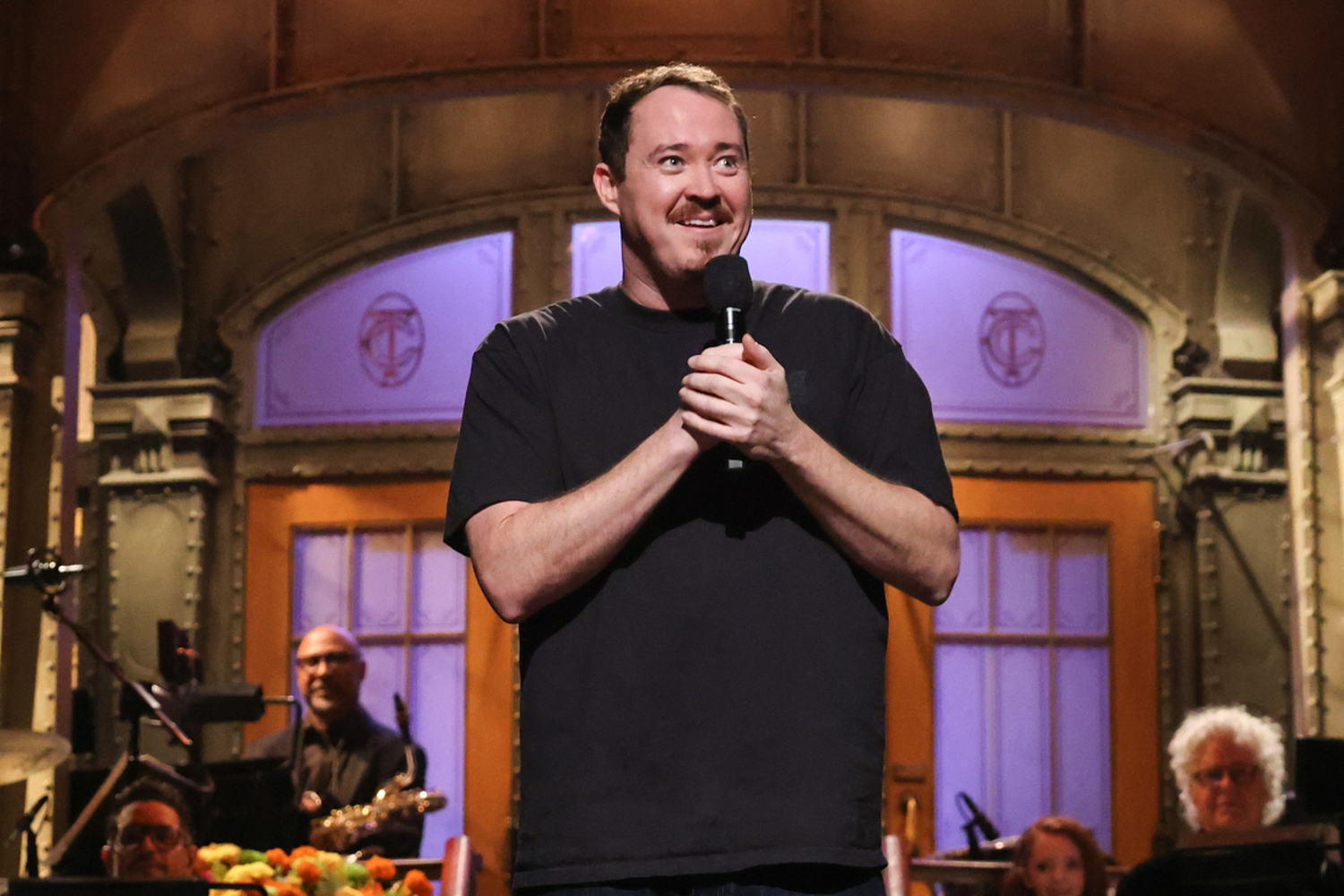
Shane Gillis, a comedian and frequent host of “Saturday Night Live,” faced significant backlash following his latest monologue where he made derogatory remarks about women’s attire at the gym. During the segment, Gillis claimed he was surprised that women “just dress like whores now,” a statement that did not resonate well with the audience and sparked outrage online.
This incident marks yet another chapter in Gillis’ controversial career. Despite being a returning host on “SNL,” his comments about women drew swift criticism across social media platforms, including TikTok and Instagram, as users expressed their disapproval of his choice of words. Many highlighted how such jokes perpetuate misogyny, particularly in the context of ongoing discussions about sexual assault and women’s rights.
Gillis attempted to poke fun at the style of women’s workout gear, describing them in a disparaging manner, which many found to be in poor taste, especially given the current climate around sexual assault awareness. Critics, including actor Dan Levy, took to social media to denounce his remarks, emphasizing that the issue lies with the harmful attitudes men hold towards women, not with women’s choices in fashion.
Levy articulated that wearing revealing clothing does not justify derogatory labeling, urging men to take a stand against such harmful rhetoric. The backlash was compounded by recent reports regarding a former Cornell student who accused fraternity members of sexual assault, further amplifying the sensitivity surrounding Gillis’ comments.
While some defended Gillis, arguing that he was simply trying to be comedic, his history of controversial jokes—most notably during his initial hiring at “SNL,” which led to his firing due to past racist remarks—has made his brand of humor a contentious topic. Following the monologue, Gillis apologized for accidentally cursing on live television but has yet to address the backlash stemming from his comments about women.
This incident has reignited conversations about the responsibilities of comedians, particularly in how they address sensitive topics. The contrast between Gillis’ apology for profanity versus his silence on misogynistic humor highlights ongoing debates about what is deemed acceptable in comedy today.
Photo credit: Will Heath