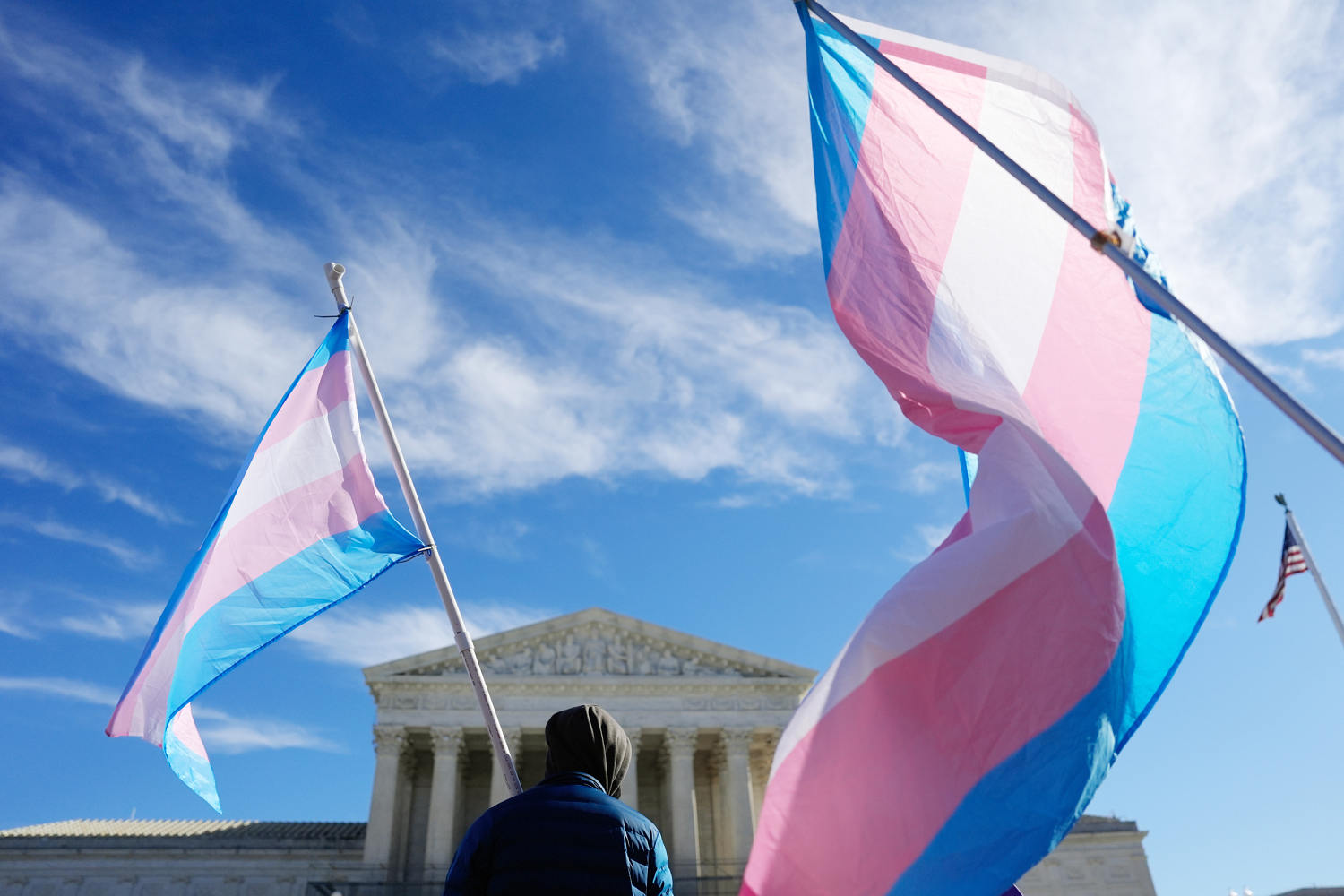
In a significant ruling, the Supreme Court has blocked the implementation of a policy introduced by the Trump administration that sought to limit medical treatment for transgender individuals incarcerated in federal prisons. The decision effectively upholds a lower court’s injunction against the policy, which would have prohibited gender transition surgeries, hormone therapy, and other essential medical accommodations for transgender inmates.
The ruling comes as the justices dismissed an emergency application from the administration that aimed to bypass the injunction. Approximately 1,000 transgender inmates are currently housed in federal facilities, and this ruling marks a pivotal moment for their rights and access to necessary healthcare.
This policy was part of a broader initiative by Donald Trump to reverse advancements in transgender rights, aligning with an executive order issued in January 2025 that instructed federal agencies to ignore gender identity in favor of a binary understanding of sex. The court’s order was notably brief and did not provide extensive justification, although it indicated that two conservative justices, Clarence Thomas and Samuel Alito, would have allowed the policy to proceed.
In previous statements, the Bureau of Prisons announced its intention to halt gender transition surgeries and hormone treatments, reverting back to a stance that lacks support from medical professionals. This decision has been heavily criticized by advocates for transgender rights, who argue that it contradicts established medical practices and standards.
Had the policy been enacted, transgender inmates would have only been eligible for mental health services and basic medications, effectively stripping them of vital medical care that had been previously provided. U.S. District Judge Royce Lamberth, who initially blocked the policy, emphasized that the government had failed to present evidence supporting the necessity of these changes, noting that the move appeared to be a direct response to the president’s executive order.
As the legal battle continues, the case highlights the ongoing struggle for transgender rights within the U.S. legal system, particularly in light of the Supreme Court’s recent decisions that have often favored restrictions on transgender individuals, including rulings on participation in sports and healthcare access for minors.
Legal representatives from the ACLU, who are advocating for the plaintiffs in this case, have pointed out the historical provision of healthcare to transgender individuals in federal custody, arguing that the abrupt policy shift lacks a factual basis and undermines the rights of inmates. This landmark ruling serves as a rare victory for transgender advocates within a court that has leaned conservative in recent years.
Photo credit: Kent Nishimura