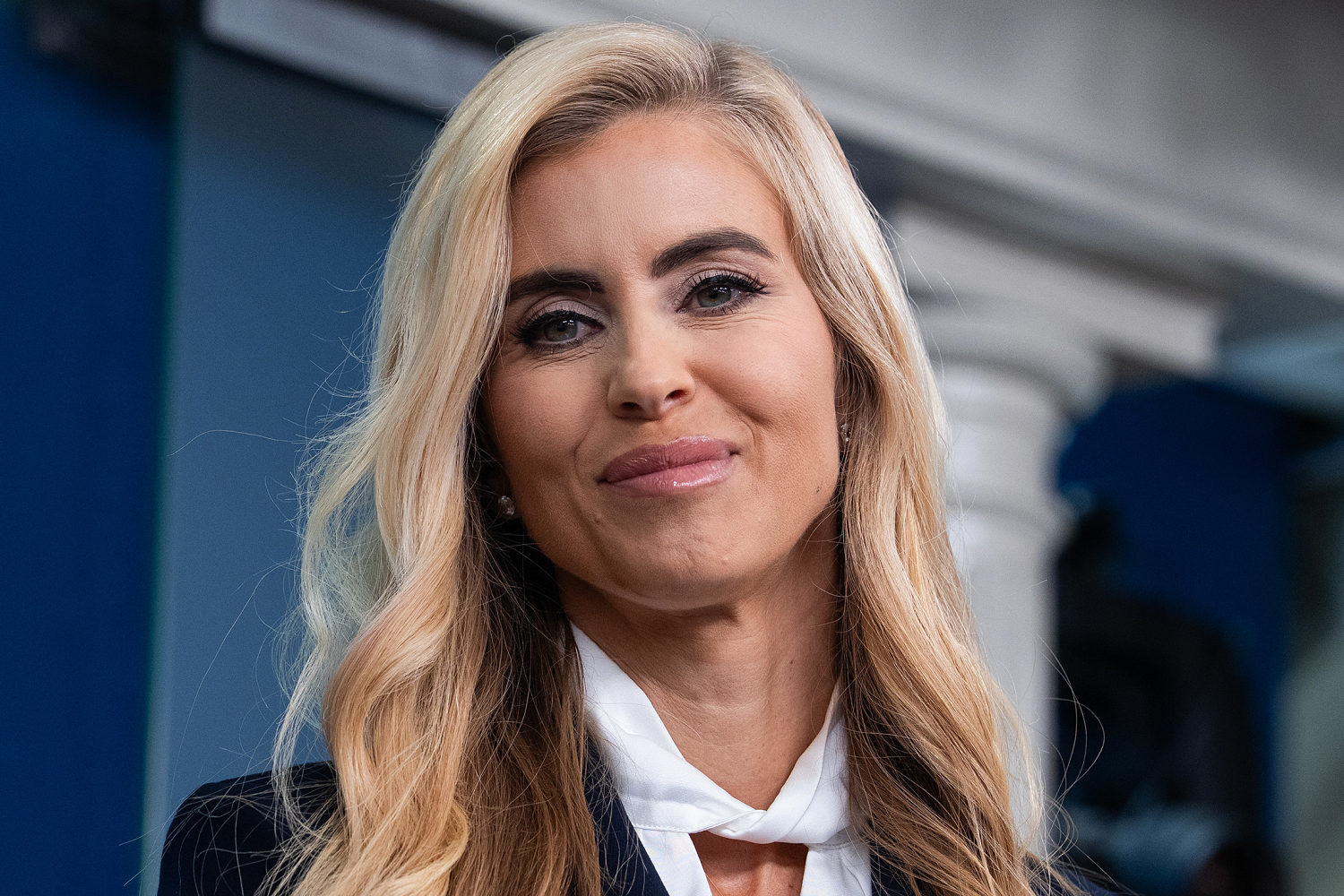
In her inaugural briefing as President Trump’s new White House press secretary, Katie Zacharia kept the event notably brief, lasting under 15 minutes and addressing questions from only three conservative media outlets. Zacharia dedicated a significant portion of her time to praising the president’s policies, indicating her aim to amplify Trump’s message in her official capacity.
During the briefing, Zacharia confirmed that Kimberly Guilfoyle, the U.S. ambassador to Greece, had been asked to resign amid misconduct allegations. She expressed her goal to communicate the administration’s achievements effectively, aligning closely with Trump, whom she described as his own best spokesperson.
The departure of former press secretary Karoline Leavitt left a gap in the administration’s communications strategy, which Trump acknowledged during a recent rally, criticizing the White House’s public relations efforts. Zacharia’s appointment comes at a crucial time as the administration gears up for the midterm elections, emphasizing the need for improved promotion of its accomplishments.
Meanwhile, the political landscape is shifting in the Midwest, particularly in Minnesota, where Democrats are seeing unexpected challenges. Recent polling indicates a competitive Senate race, with Democrat Peggy Flanagan leading Republican Michele Tafoya by a narrow margin. The state, which has consistently voted blue in past presidential elections, is now viewed as a battleground, influenced by local issues and allegations of fraud in social services.
As the situation unfolds, Republicans are keen to capitalize on the unique dynamics in Minnesota, with Tafoya positioning herself as a “pro-choice Republican” to attract moderate voters. National party investment in the race has been limited, suggesting a cautious approach by Republicans despite the emerging competitive climate. The unfolding narrative in Minnesota highlights the complexities of the upcoming elections and the potential for unexpected outcomes.
Photo credit: Aaron Schwartz