The recent turmoil surrounding the White House press pool has drawn significant attention, especially following the Justice Department’s investigation into potential antitrust violations by the major TV networks involved. This scrutiny has emerged amid President Trump’s controversial decision to bar CNN, MS NOW, and Politico from covering events at the White House, a move that has raised questions about press access and accountability.
The investigation began after the president’s actions resulted in the TV press pool declining coverage for several days. This included key events such as Trump’s summit with Chinese President Xi Jinping and his attendance at the United Nations General Assembly, leaving the public with limited visual information about the president’s activities during those critical days.
In response to these barriers, CNN, MS NOW, and Politico have initiated legal proceedings against the administration, challenging the legitimacy of the ban and its implications for the press pool system, which has been a vital conduit for reporting on presidential activities for decades.
Understanding the Press Pool System
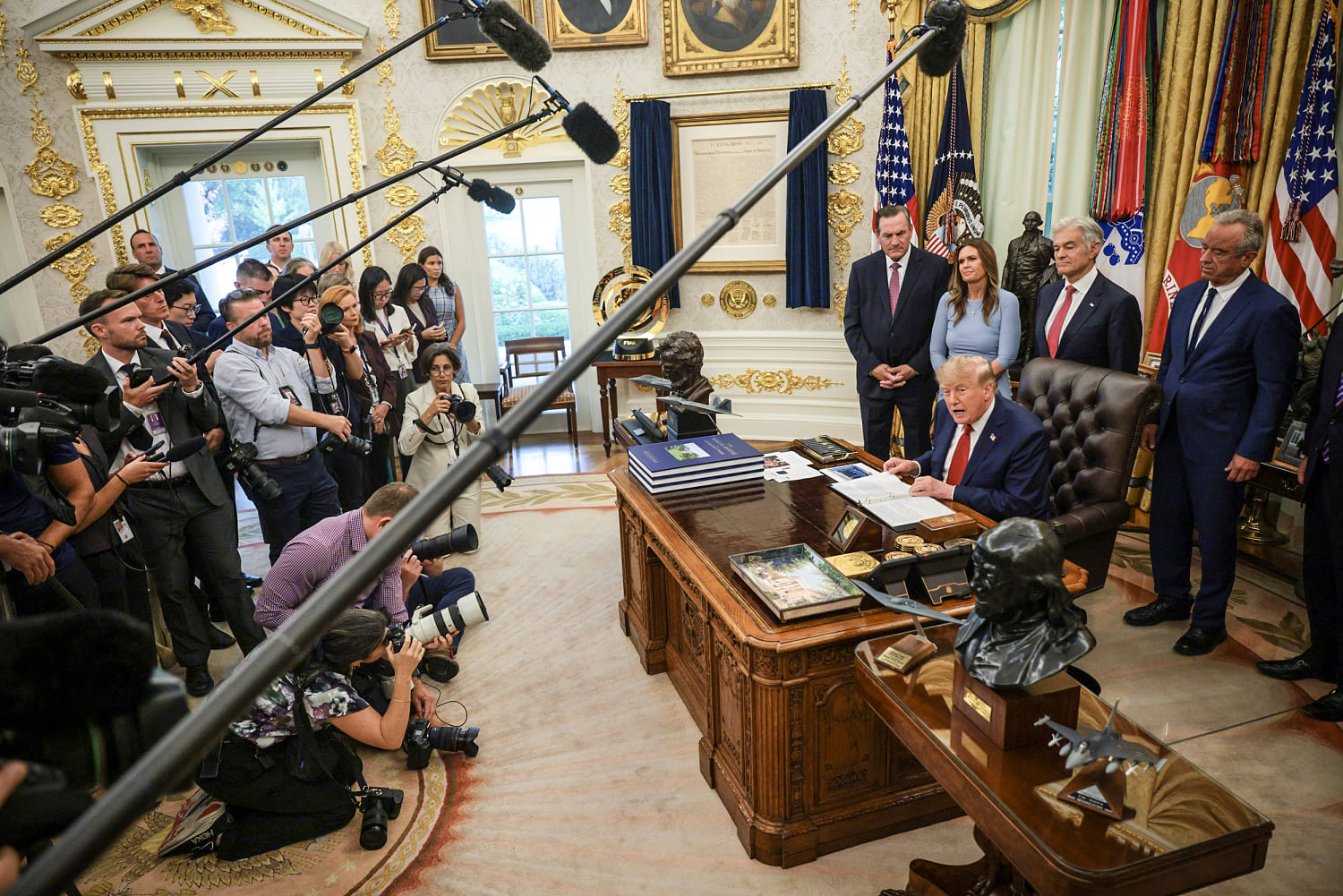
The White House press pool is designed to enable a collective of media outlets to share coverage of presidential events, especially when space is limited. This arrangement has been crucial in ensuring that significant presidential activities are documented and made available to the wider public. The pool allows designated “poolers” to capture and distribute video and editorial content, ensuring a flow of information even in restricted settings.
Typically, the television pool consists of the major networks: NBC, ABC, CBS, CNN, and Fox. These networks take turns providing coverage, thereby ensuring comprehensive reporting while sharing the associated costs. However, the recent ban has complicated this arrangement, leading to questions about the future viability of the press pool system.
As the legal battles proceed, the implications for press freedom and access to information remain paramount. The actions of the Trump administration mark a notable shift in the relationship between the presidency and the media, with potential long-lasting effects on how journalists cover the executive branch in the future.
Historically, the press pool has been a critical element in presidential communications, dating back to World War II. It has enabled journalists to report on some of the most pivotal moments in U.S. history, including the assassination of President John F. Kennedy and the events of September 11, 2001. However, the current situation raises concerns about the integrity and openness of the press pool system moving forward.
The Future of the Press Pool
As the investigation unfolds, and with the court case challenging the bans, the media landscape is watching closely. The outcome could redefine not only the access journalists have to presidential events but also the broader relationship between government and the press in the United States.
Photo credit: Chip Somodevilla