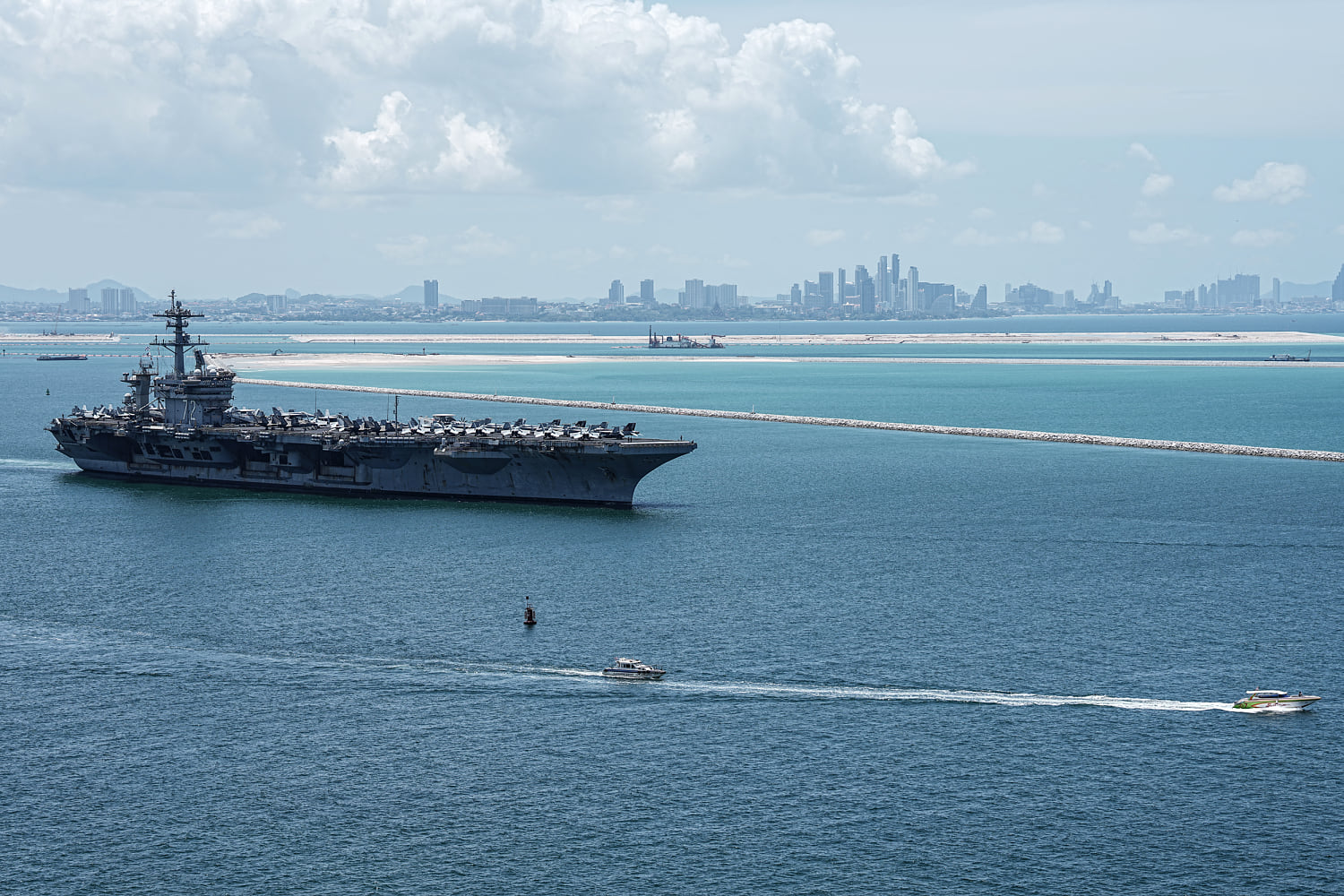
After an extensive deployment lasting over 300 days, the USS Abraham Lincoln is finally set to return home, docking in San Diego on Thursday. This prolonged mission, primarily in the Middle East, has sparked significant concerns regarding the welfare of its approximately 7,500 crew members.
Criticism has mounted regarding the ship’s extended time at sea, particularly as it faced challenges related to supplies and crew morale. Reports have emerged of troubling incidents, including eight suicide attempts among service members during the deployment, raising alarms about the mental health impacts of such a lengthy absence from home.
During a recent visit to the ship, Defense Secretary Pete Hegseth acknowledged the difficult circumstances faced by the crew, admitting his role in extending their deployment. The USS Lincoln had initially left San Diego in November, with expectations of returning before summer. However, the onset of the Iran conflict in February necessitated an extension, leaving the ship without a port of call for nearly ten months until a brief stop in Thailand in early September.
Families of crew members have expressed their frustrations, sharing stories of deteriorating mental health among sailors. One family member described the situation aboard as reminiscent of a scenario from a horror series, emphasizing the emotional toll exacted by the extended deployment. Additionally, concerns have been raised about dwindling food supplies and the overall well-being of those onboard.
While Navy officials initially reported no significant rise in suicidal thoughts among the crew, the letter outlining the suicide attempts sent to Senator Kirsten Gillibrand highlighted the severity of the situation. Thankfully, no fatalities have been attributed to suicide aboard the Lincoln.
As the USS Abraham Lincoln prepares to return, the focus remains on addressing the mental health needs of its crew and ensuring that such extensive deployments are managed with greater consideration for their impact on service members in the future.
Photo credit: Chanakarn Laosarakham