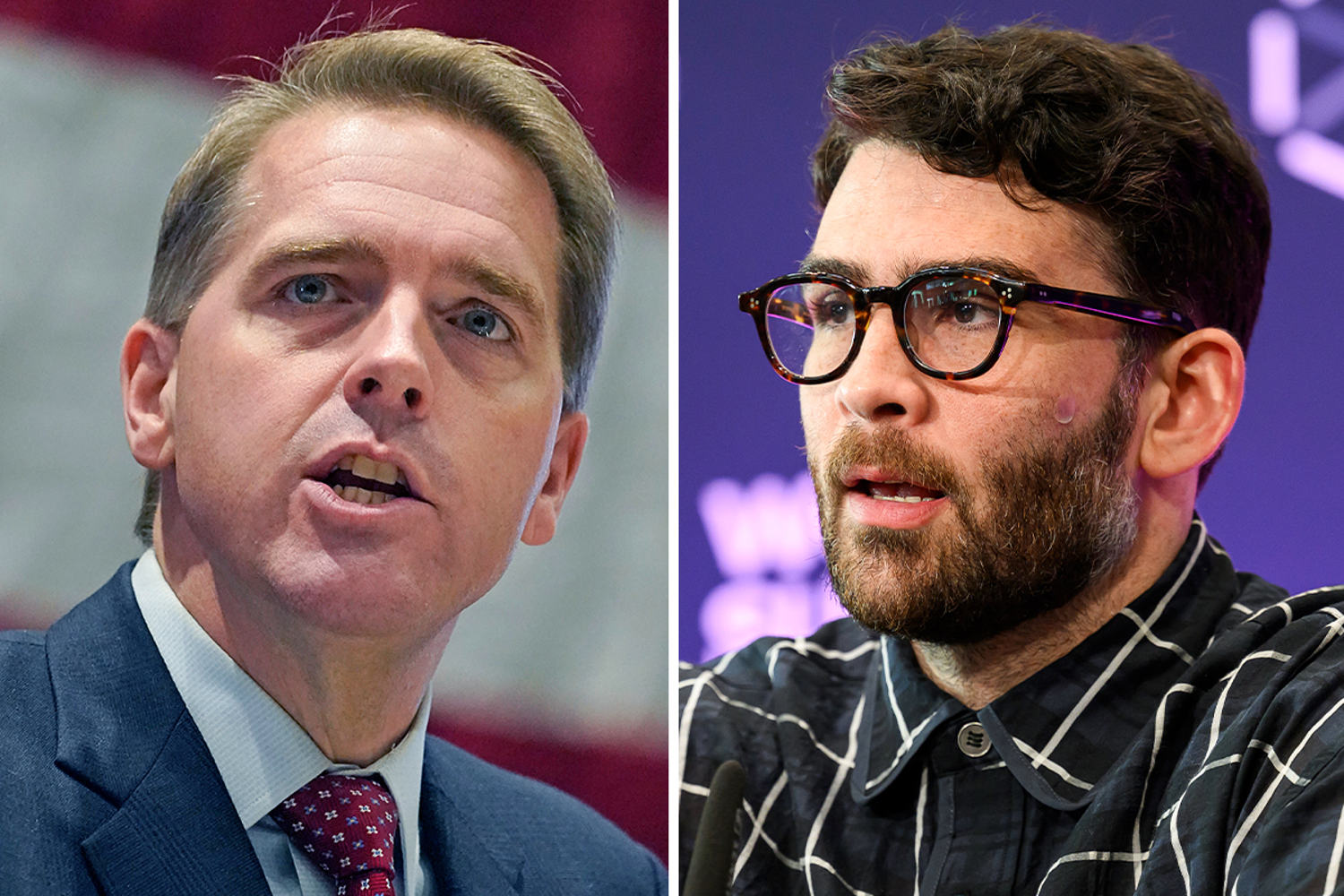
In a significant legal move, progressive commentator Hasan Piker has initiated a $72.5 million defamation lawsuit against Scott Jennings, a conservative pundit. The lawsuit stems from allegations that Jennings intentionally misrepresented Piker’s statements to depict him as someone advocating for violence against Black individuals.
Piker’s 38-page complaint, submitted to a federal court in Washington, D.C., accuses Jennings of airing manipulated footage on his show, “The Scott Jennings Show,” which originally aired on August 11, 2024. This video, according to Piker, was altered to fabricate quotes and mischaracterize his position.
The complaint asserts, “Mr. Jennings did not merely mischaracterize something Mr. Piker said; he took a false, fabricated, and manipulated video of Mr. Piker, added a made-up quotation that Mr. Piker never uttered, and then made accusations that went beyond even what the manipulated footage purported to show.” Jennings referred to Piker as a “radical socialist streamer,” claiming he was inciting calls for lynching Black voters.
Piker firmly denies these allegations, stating he has never supported violence or racial discrimination in any form. The complaint also highlights that Jennings did not respond substantively to a retraction request made by Piker’s legal team back in August.
In light of Jennings’ alleged actions, Piker is seeking $27.5 million in compensatory damages and another $45 million in punitive damages. As a prominent figure in online media, Piker boasts an extensive following across platforms like Twitch, YouTube, and Instagram, totaling millions of subscribers. However, he is not without controversy; he has faced accusations of promoting antisemitic rhetoric and downplaying significant geopolitical events.
As the lawsuit unfolds, it raises questions about the boundaries of political discourse and the responsibilities of media figures in their portrayal of opponents. The case is poised to draw attention not only for its financial stakes but also for its implications regarding free speech and public representation in an increasingly polarized political landscape.
Photo credit: AP; Getty