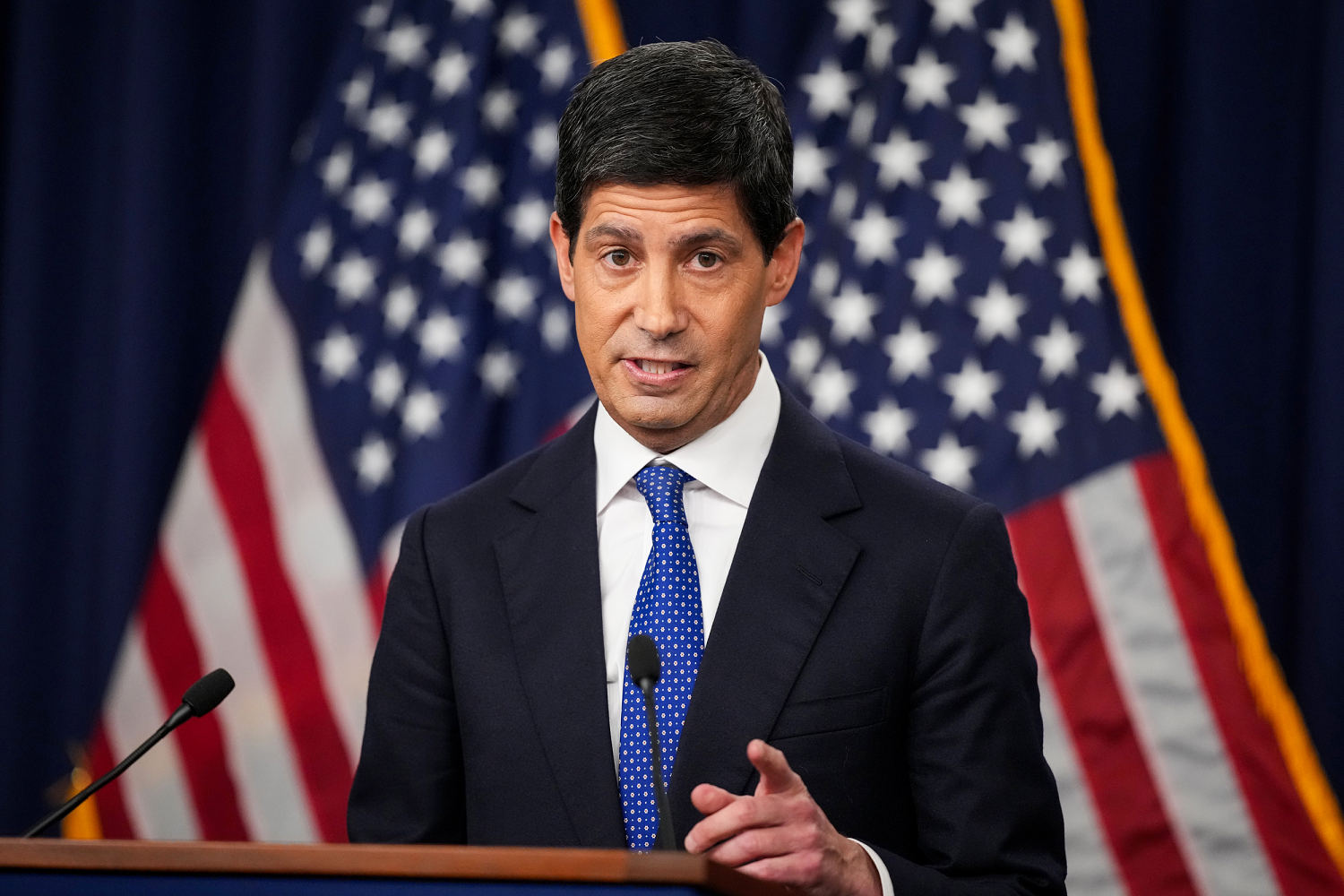
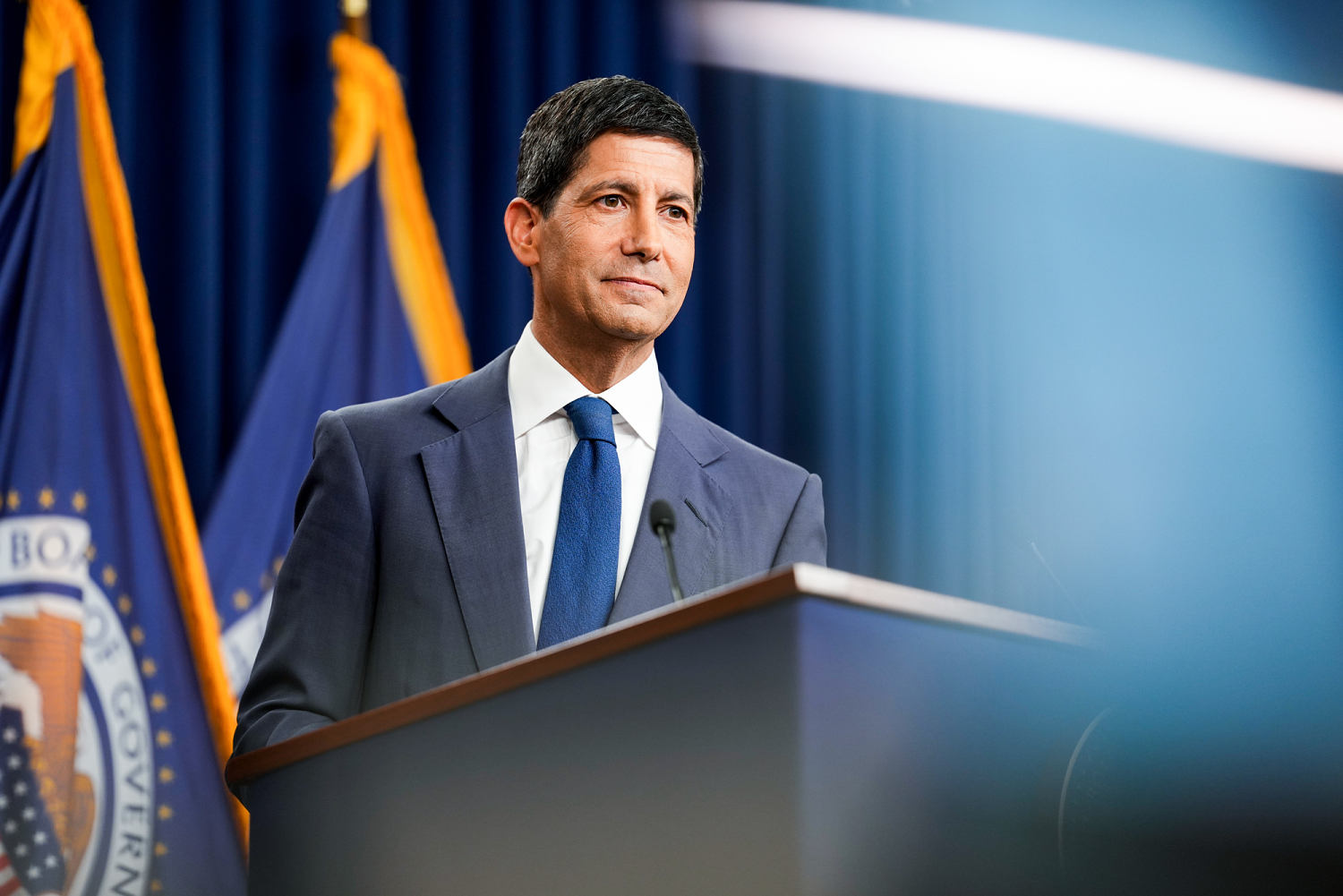
The Federal Reserve chose to maintain interest rates during its recent meeting, a decision that comes at a critical time as inflation begins to rise again. This marks their final policy decision before the upcoming midterm elections, a period where economic concerns are at the forefront for many voters.
Despite a noticeable increase in inflation—rising from 3.4% in August to 3.7% in September—the Fed opted to keep rates steady. This decision reflects the central bank’s cautious approach, as Fed Chairman Kevin Warsh indicated that more data is needed before any further adjustments can be made.
Warsh highlighted that the primary contributor to inflation is the escalating cost of gas and fuel, which has significantly affected consumers and is starting to impact the broader economy. The Fed’s statement following the meeting acknowledged these inflationary pressures, yet emphasized the need for additional information before determining the next steps in monetary policy.
In a shift from previous meetings, the Fed announced plans to reduce the number of meetings from eight to seven next year, with further cuts planned for 2028. This change, according to Warsh, aims to enhance the quality of decision-making within the committee.
While the decision was not unanimous—two officials voted in favor of a rate hike—the Fed maintained that inflation remains a pressing issue. The upcoming release of the Fed’s preferred inflation gauge, the PCE, is expected to confirm these trends, with estimates suggesting it may also touch 3.7%.
As inflation continues to weigh heavily on consumers, the Fed’s approach signals a careful balancing act, one that considers both economic expansion and rising costs. This delicate situation sets the stage for potential rate increases in future meetings, particularly as the central bank navigates the complexities of a changing economic landscape.
Voter sentiment reflects this economic anxiety, with many expressing concerns about rising prices, particularly in housing and energy. Recent polls indicate that these issues are top of mind as citizens prepare to cast their votes in the midterms, potentially influencing the Fed’s future policy decisions.
Photo credit: Al Drago