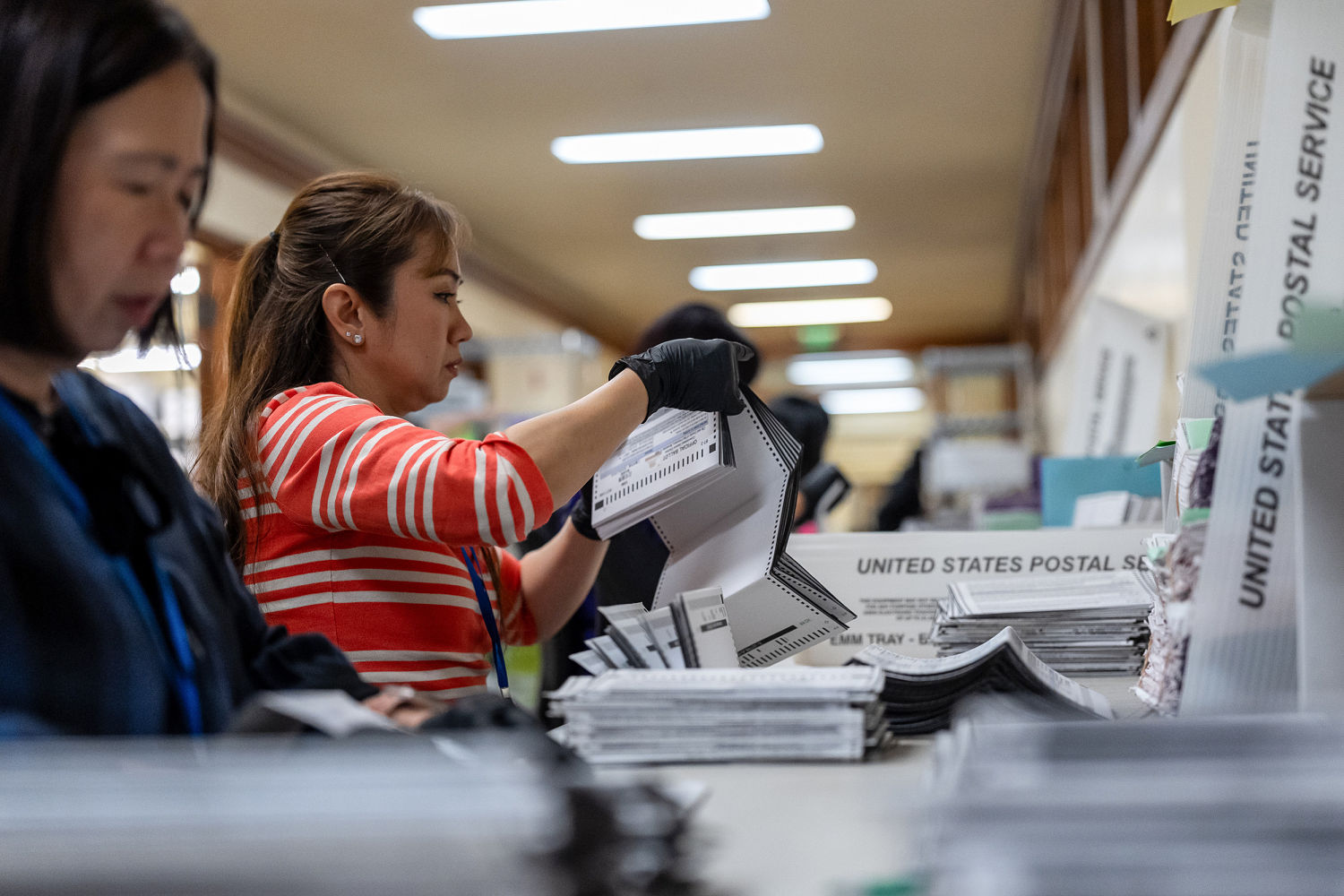
A federal judge has ruled against the Trump administration’s request to separate over 20,000 mail-in ballots in California, which the government claims may have been cast by noncitizens. U.S. District Judge David Carter emphasized that allowing such a request could disrupt the electoral process and violate constitutional principles regarding state control over elections.
Judge Carter stated, “If Plaintiff’s last-minute request for relief were granted, either party could create chaos for their own political purposes to disrupt the election process.” He also pointed out that there are established procedures in California for addressing ineligible voters, suggesting the government could use its prosecutorial tools instead of seeking last-minute judicial interventions.
The Justice Department filed a lawsuit on October 15, seeking a court order to set aside votes from individuals it believes are noncitizens until their citizenship can be verified. The government claims to have identified over 20,000 names but has faced skepticism from California officials, who argue the government’s data lacks reliability and transparency.
Attorneys for California challenged the government’s claims, questioning the validity of the list and highlighting the potential for disenfranchisement among eligible voters. They argued that forcing an investigation into the citizenship of thousands of voters shortly before an election is unreasonable and could undermine voter confidence.
During the court proceedings, Judge Carter pressed the federal government to take action against alleged illegal voting rather than attempting to impose restrictions on California’s voting process. “You may find others. You have the right to bring that indictment against them,” he said, urging them to utilize their legal authority effectively.
This case has already seen movement in federal appeals courts, with the Justice Department seeking expedited review of the judge’s decision. The appeals court recently held an emergency hearing and ruled against the administration, asserting that its claims of urgency were partly self-created.
In a dissenting opinion, one judge expressed concern that the ruling could inadvertently encourage illegal voting by allowing ballots from noncitizens to be counted alongside legitimate votes. Meanwhile, the majority highlighted the importance of maintaining state autonomy in electoral matters.
Photo credit: David Paul Morris