In a surprising move, President Donald Trump has decided to cancel his planned rallies in Iowa and Kansas this weekend, which were intended to boost Republican candidates in two key Senate races. Instead, he is opting for a series of tele-rallies, raising questions about the campaign’s strategy as the midterms approach.
Originally, Trump had set out to undertake a significant campaign effort, announcing plans to visit 35 locations to galvanize voter turnout for GOP candidates. However, he indicated that he no longer felt the need to attend the rallies in Kansas, suggesting confidence in Republican Senator Roger Marshall’s performance against Democrat Adam Hamilton in a tightly contested race.
This change comes amid heightened concerns about local issues, including the implications of the ongoing conflict in Iran, which has shifted the race dynamics in Kansas, a state that has not elected a Democrat to the Senate in nearly a century.
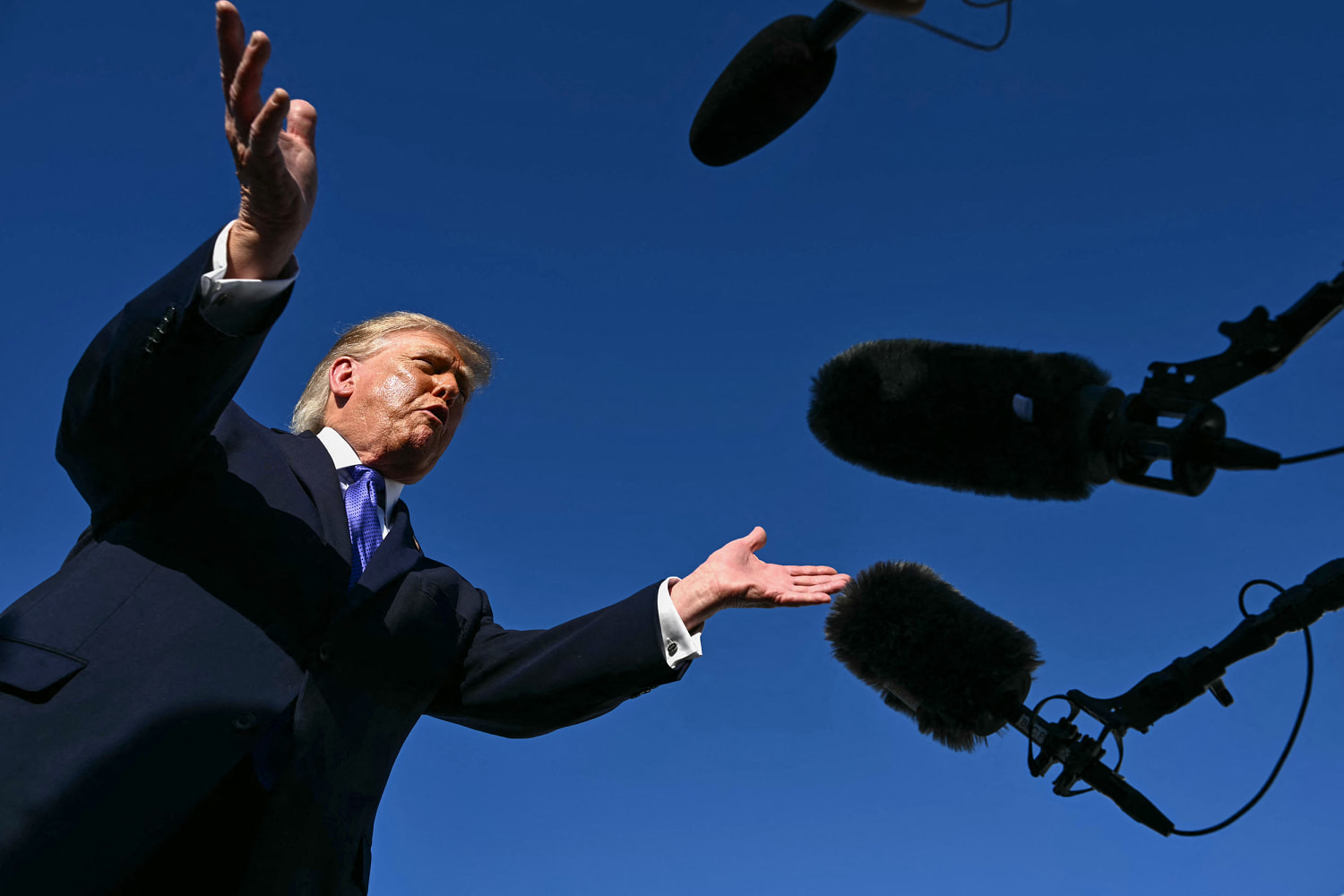
Trump’s recent campaign blitz has seen him participating in 25 rallies over the past month, a grueling schedule that he himself acknowledged has taken a toll on his vocal health. In a recent interaction, he defended his health, telling a reporter, “You’ve been following me for two weeks. I feel perfect,” despite the challenges of continuous campaigning.
However, his decision to cancel these rallies has drawn mixed reactions. GOP operatives in Iowa expressed that while tele-rallies can boost turnout, nothing compares to the impact of an in-person event, especially in a state where all but one congressional race is competitive this year.
Despite the cancellations, Trump is scheduled to hold a rally in Daytona Beach, Florida, campaigning for candidates in solidly Republican districts. The Republican National Committee stated that these changes aim to “maximize opportunities” for Trump to connect with voters nationwide.
With more than 20 tele-rallies planned before Election Day, the effectiveness of Trump’s adjusted strategy remains to be seen as he navigates the critical final days of the campaign.
Photo credit: Kent Nishimura