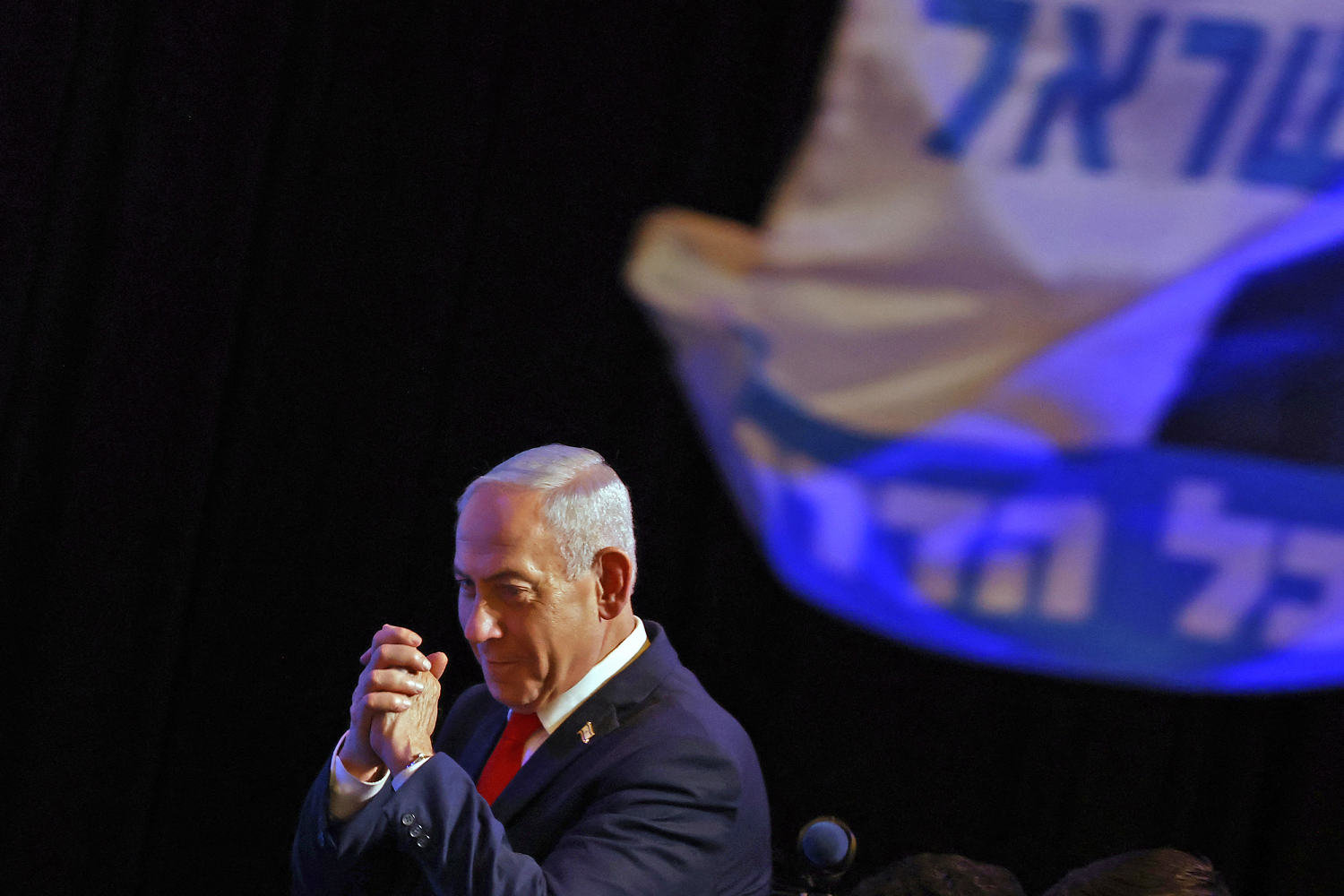
In a closely contested election, Israel’s Prime Minister Benjamin Netanyahu and his main challenger, Gadi Eisenkot, have both fallen short of securing the necessary majority to form a government. Netanyahu’s coalition, which has historically held significant power, managed to win only 53 seats in the Knesset, a notable drop from the 68 seats previously held.
The results indicate a shift in the Israeli political landscape, with Eisenkot’s bloc capturing 48 seats, meaning neither side can achieve the 61 seats required for a governing majority. The final vote tally is pending certification, which is expected to occur next Wednesday when President Isaac Herzog will consult with party leaders to identify a candidate capable of forming a government.
Amidst these developments, parties representing Israel’s Arab population made significant strides, collectively winning 19 seats. This surge in support reflects a historic turnout among Palestinian citizens of Israel, many of whom expressed a desire to challenge Netanyahu and the far-right members of his coalition.
Despite their increased seats, both leading parties have ruled out any coalition with the Arab parties, namely Ra’am and the Joint List. However, their newfound political strength may position them as key players in future negotiations, highlighting the complexities of Israeli politics.
Netanyahu and other coalition members had previously raised allegations of foreign interference in the elections, particularly accusing Arab parties of being influenced by Qatar. However, these claims have been refuted by both Qatar and Mansour Abbas, leader of Ra’am, who called for an investigation into the matter while condemning Netanyahu’s campaign tactics as incendiary.
As the political landscape continues to evolve, Yair Golan, leader of the smaller left-wing Democrats party, has advocated for inclusive governance that partners with Arab parties, rebutting the divisive strategies employed by Netanyahu’s administration.
The current situation reflects deep-rooted tensions and the ongoing struggle for representation among Israel’s diverse population, particularly amidst a backdrop of historical grievances stemming from the creation of the state in 1948.
Photo credit: Jalaa Marey