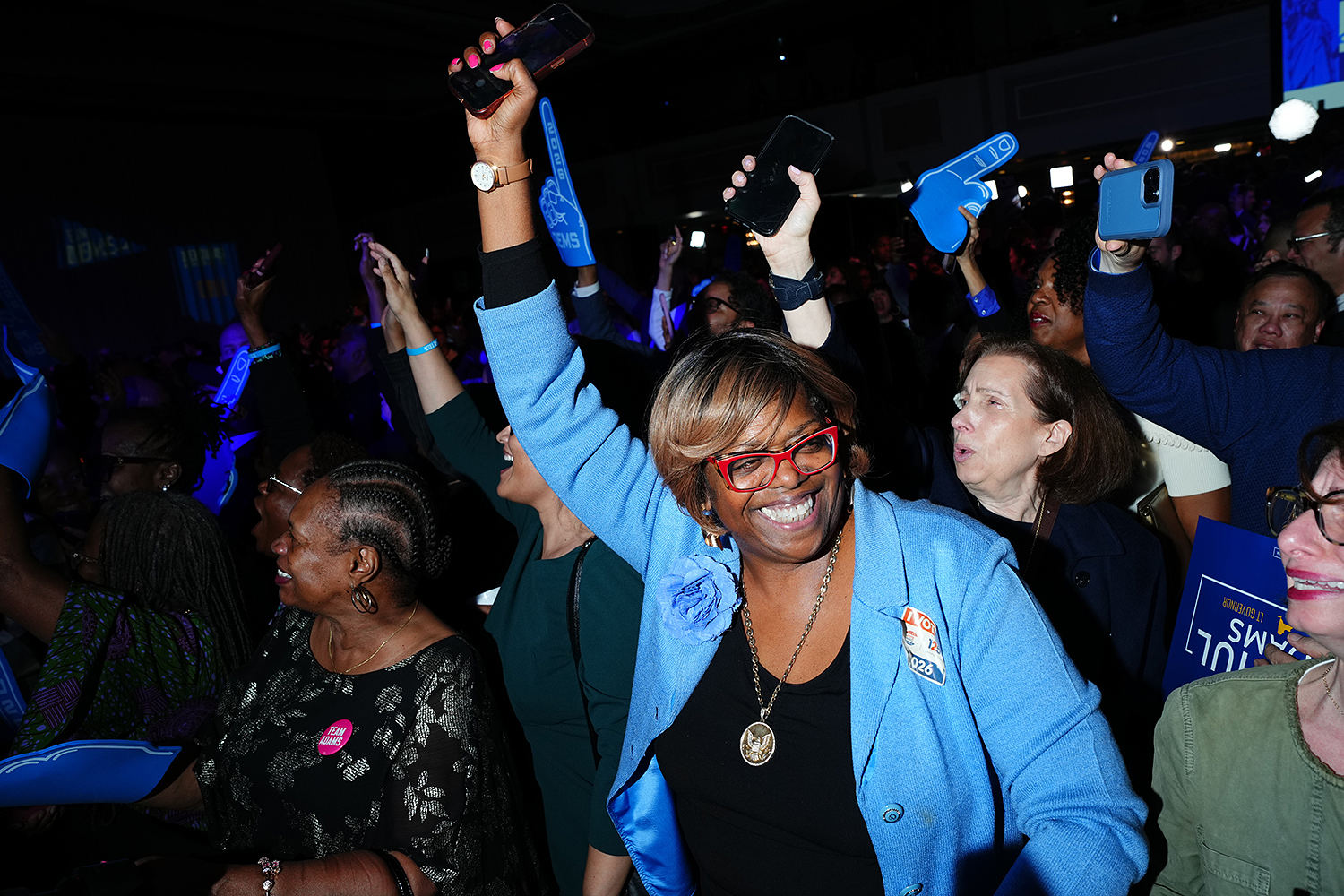
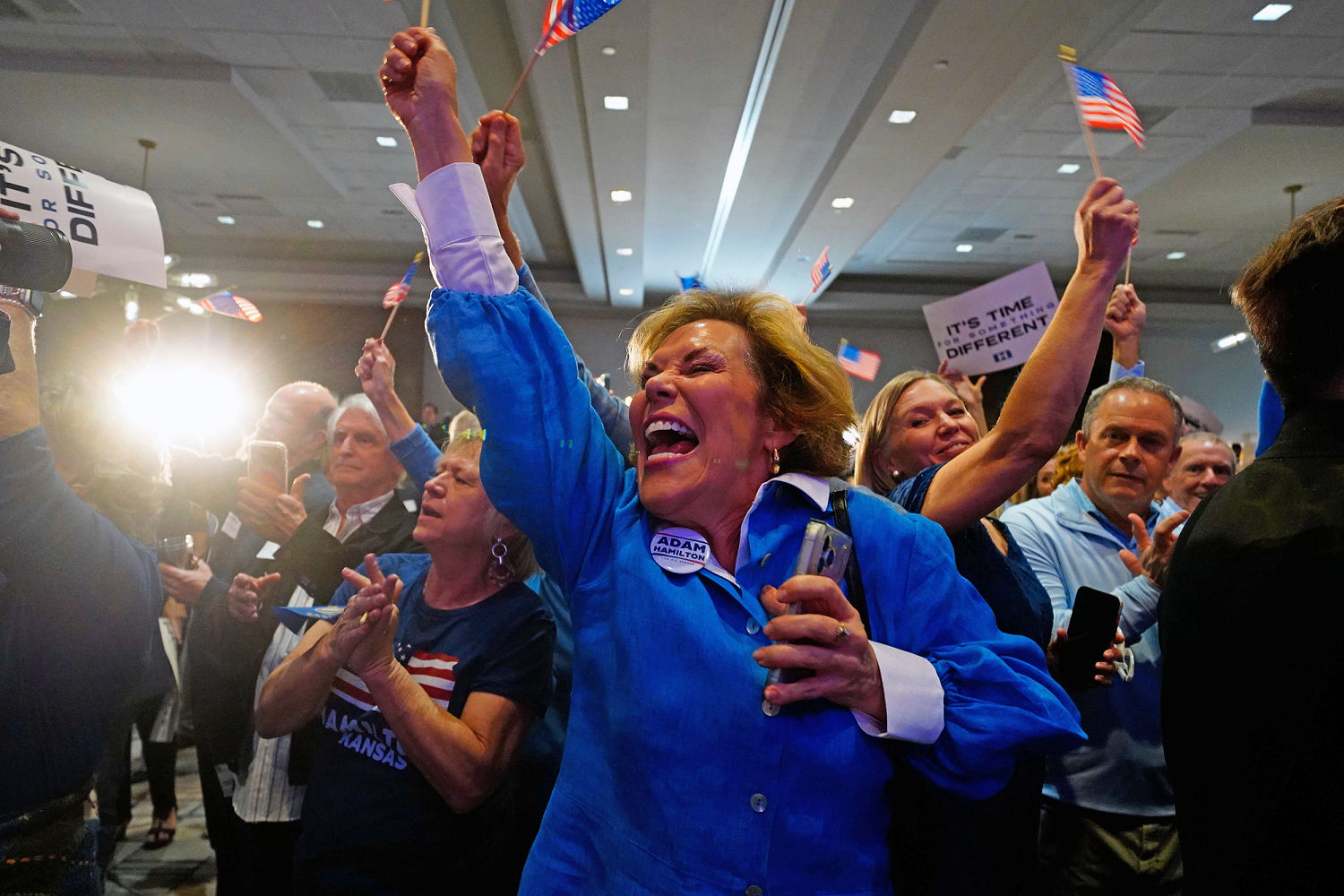
The results of the recent midterm elections reveal a significant shift in American political sentiment, characterized by a resounding Democratic victory. The Democratic Party successfully captured both chambers of Congress, achieving the remarkable feat of flipping up to seven Senate seats and at least 29 in the House of Representatives.
This dramatic turnaround comes just two years after a red wave that seemed to favor Republicans. What catalyzed this change? An array of factors played a role: economic dissatisfaction among voters, the rising favorability of Democratic candidates, shifts in key demographics, and a substantial decline in support for former President Donald Trump, as highlighted by the NBC News Exit Poll.
Polling data from over 79,000 voters across the nation provides insight into the motivations behind this electoral shift. Many voters expressed frustration with the current economic situation, with 75% rating the economy as “not so good” or “poor.” The perception of the Republican Party’s capability to manage economic issues has also dwindled, with only 37% of voters favoring them on economic matters compared to 43% for Democrats.
Moreover, Trump’s influence appears to have waned considerably. Just 38% of voters expressed approval of him, marking the lowest approval rating for a sitting president on Election Day since 2008. A significant 43% of voters indicated their House ballot was cast as a form of opposition to Trump, while a mere 16% voted to show support for him.
Democratic candidates, particularly in key races, enjoyed enhanced favorability compared to their Republican counterparts. For instance, in Georgia, 59% of voters held a favorable view of Jon Ossoff, and similar positive ratings were seen for candidates in Texas and Iowa. In contrast, Republican candidates struggled with negative perceptions regarding their character, which ultimately contributed to their electoral defeats.
Additionally, crucial voting blocs such as Latinos and Black men who had previously leaned towards Trump have shifted back to the Democratic fold. In the current elections, Democrats secured 62% of Latino votes and saw a notable drop in Black male support for Republican candidates.
This blue wave signifies not only a rejection of Trump but a broader repudiation of the Republican Party’s current direction. As the results unfold, it becomes clear that voters are looking for alternatives to the prevailing economic and political narratives, setting the stage for a potentially transformative period in American politics.
Photo credit: Evert Nelson