As Democrats celebrate significant victories in the recent elections, they now face a pressing dilemma: how to effectively navigate the complexities of artificial intelligence (AI) regulation. With a growing public concern over AI and its implications, especially regarding data centers, party leaders are grappling with divergent priorities that could stall progress on new legislation.
The post-election landscape reveals a Democratic coalition eager to address issues related to AI, as evidenced by incoming lawmakers like Sen.-elect Chris Pappas, who has voiced strong critiques against data centers, suggesting they threaten community welfare. Similarly, Sen.-elect Peggy Flanagan is advocating for limits on AI usage in insurance decisions, highlighting the range of concerns Democrats share about technology’s impact on society.
However, these ambitions are complicated by a backdrop of contention, particularly with former President Trump’s administration which has pushed back against regulatory measures. Trump’s perspective frames AI as a critical driver of economic growth, warning that excessive regulation could stifle innovation in a sector he views as vital to American competitiveness.
The election results may signal a shift towards bipartisan cooperation on AI policy, as lawmakers recognize voter anxiety about the technology. Incoming representative Scott Wiener asserts that there’s a strong desire among Democrats to pursue regulation, albeit with differing visions on how to approach the issue.
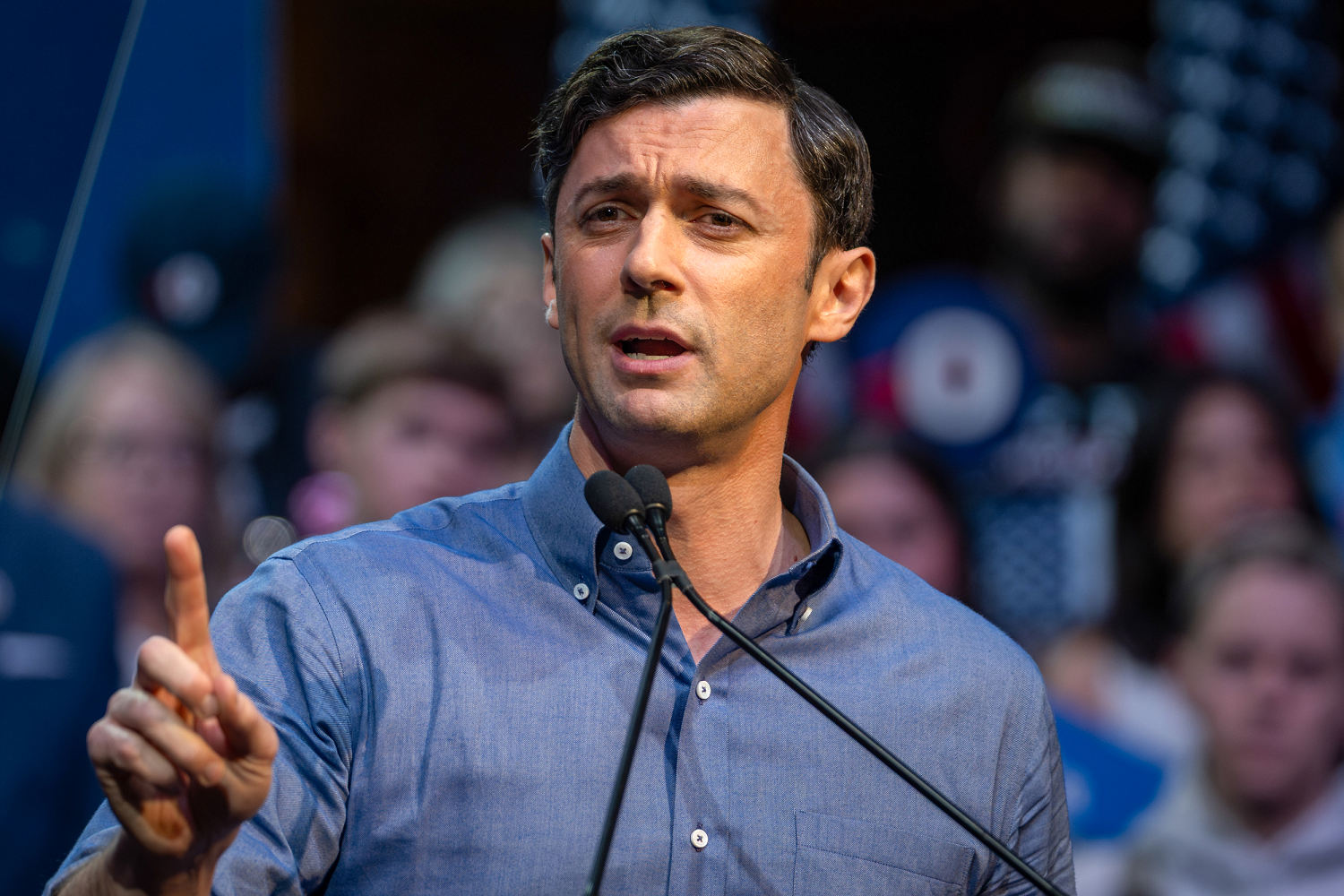
Some Democrats, such as Ohio’s Sherrod Brown, are prioritizing the regulation of data centers, which have raised concerns over their environmental impact. Others, like re-elected Sen. Jon Ossoff, are emphasizing the potential existential threats posed by advanced AI systems, suggesting a need for urgent action against these risks.
As the party navigates these discussions, there are fears that the variety of proposed approaches could lead to fragmented legislation. Samuel Hammond from the Foundation for American Innovation warns that differing priorities may hinder cohesive policy-making. Yet, some Democrats, like New York Assembly member Alex Bores, advocate for a multifaceted approach, suggesting that diverse priorities could facilitate broader legislative efforts.
Looking forward, AI legislation such as the FRONTIER Act—which demands stricter oversight of advanced AI technologies—may see a renewed push, especially as bipartisan interest in regulating AI grows. This bill represents a potential compromise that could address safety concerns while still fostering innovation. However, the political landscape remains fluid, with the influence of tech funding on candidate outcomes still a significant factor.
In the wake of the election, it appears that the conversation around AI regulation is evolving. Republicans may feel emboldened to voice their concerns regarding AI without the overshadowing influence of tech dollars that have historically shaped the narrative. As experts weigh in, the future of AI policy in Congress could reflect a more collaborative spirit as both parties seek to address the challenges posed by this rapidly advancing technology.
Photo credit: Ben Hendren