As midterm elections approach, voters in key battleground states are feeling the economic pinch more than ever. Rising costs for essentials like gas, groceries, and housing are outpacing the national average, causing significant concern among constituents who are looking for change.
President Donald Trump’s earlier pledge to curb inflation is facing harsh realities as inflationary pressures persist, especially in states that will play a critical role in determining the balance of power in Congress. With the elections on the horizon, economic issues have taken center stage for voters, who express frustration over prices that continue to climb.
Polling data indicates that dissatisfaction with the economy is not limited to one political party; even among Republicans, a significant 53% report being unhappy with economic conditions. This discontent opens up opportunities for Democrats to make gains in both the House and Senate, with the potential for a shift in majorities becoming increasingly likely.
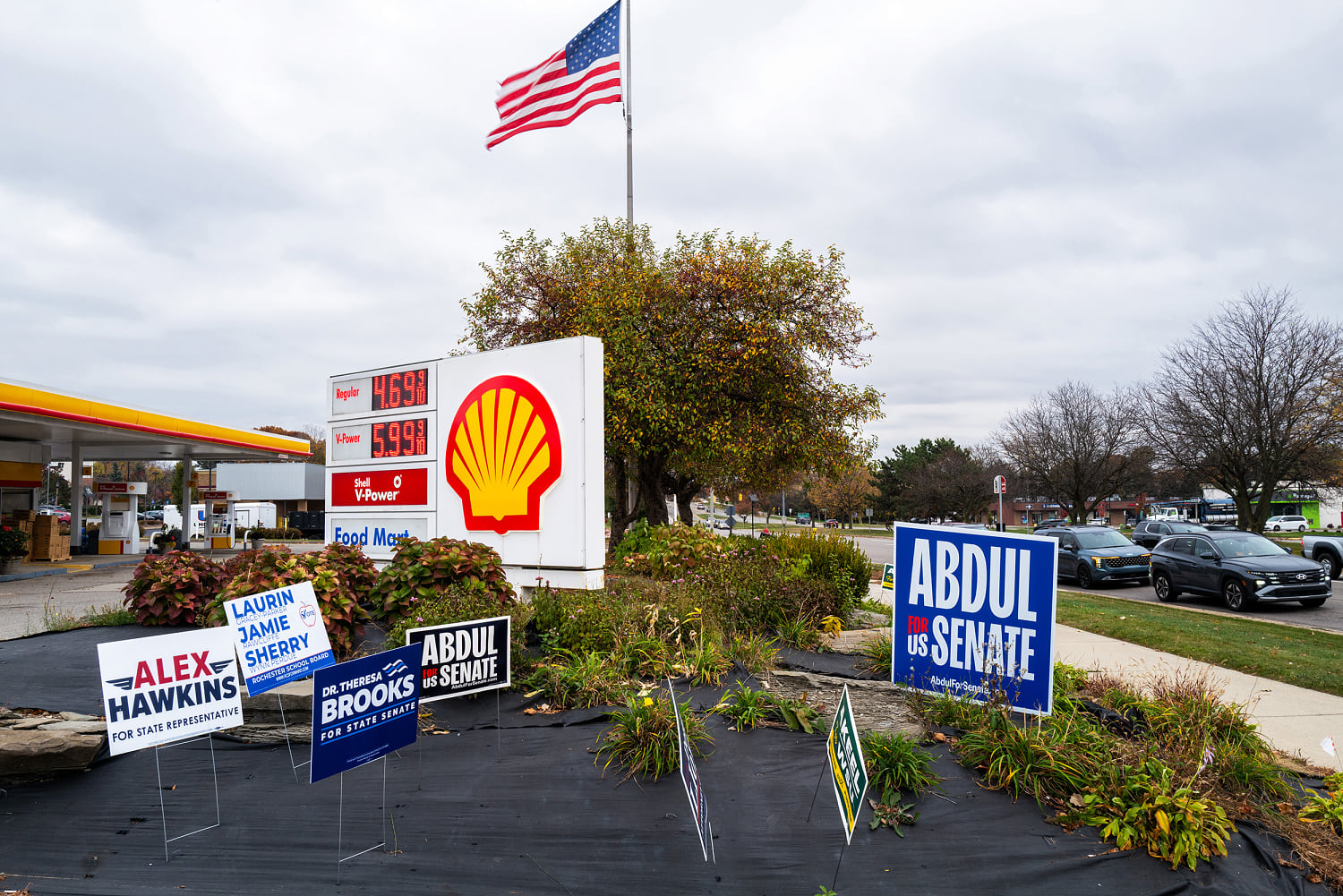
In several states with closely contested Senate races, gas prices have surged far beyond national averages. For example, Iowa has witnessed a staggering 55% increase in gas prices since February, while Michigan reports a 51% jump. Candidates in these states, such as Josh Turek in Iowa and Abdul El Sayed in Michigan, are closely watched as they aim to capitalize on voter dissatisfaction.
Moreover, grocery prices are also becoming a significant burden, particularly in urban areas like Cleveland and Toledo, which rank among the most expensive for groceries nationwide. This trend of escalating living costs is a critical issue that voters are voicing as they head to the polls.
Housing prices are another area of concern. In states like Ohio and Michigan, home prices are rising at alarming rates, making it increasingly difficult for younger voters and families to afford homes. The average interest rate for a 30-year fixed mortgage has now exceeded 7%, further complicating the situation for prospective buyers. The combination of stagnant wage growth against a backdrop of rising costs only intensifies these economic challenges.
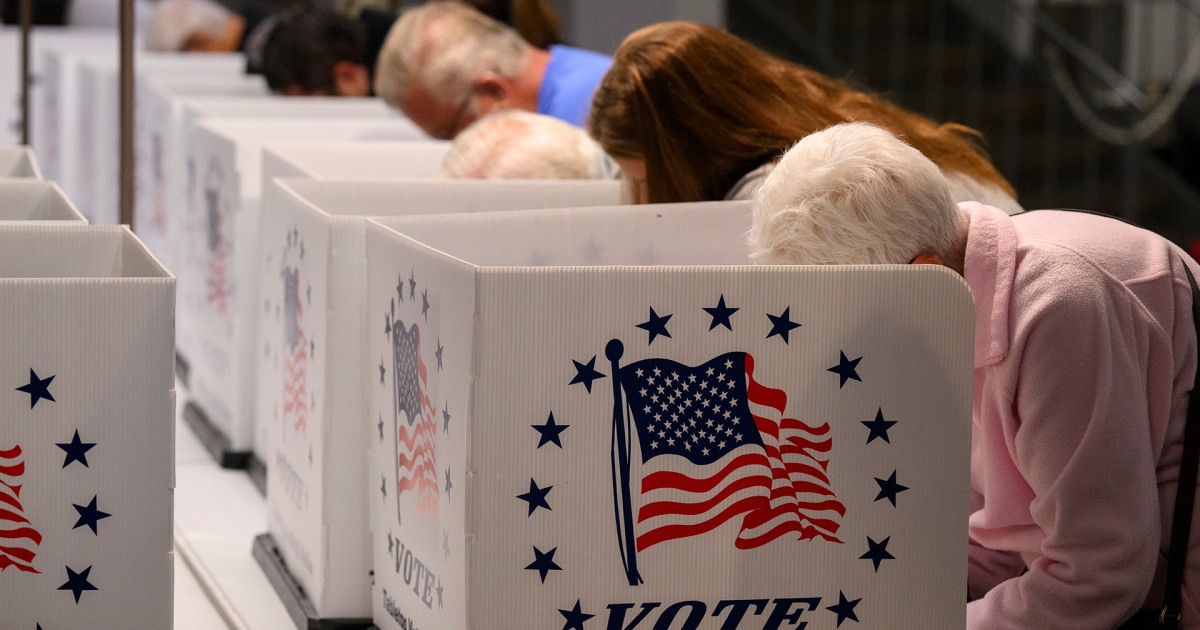
As Election Day nears, voters across these battleground states are expressing their worries over economic stability, making it clear that their choices at the ballot box will be heavily influenced by their experiences with rising costs and economic dissatisfaction.
Photo credit: Spencer Platt