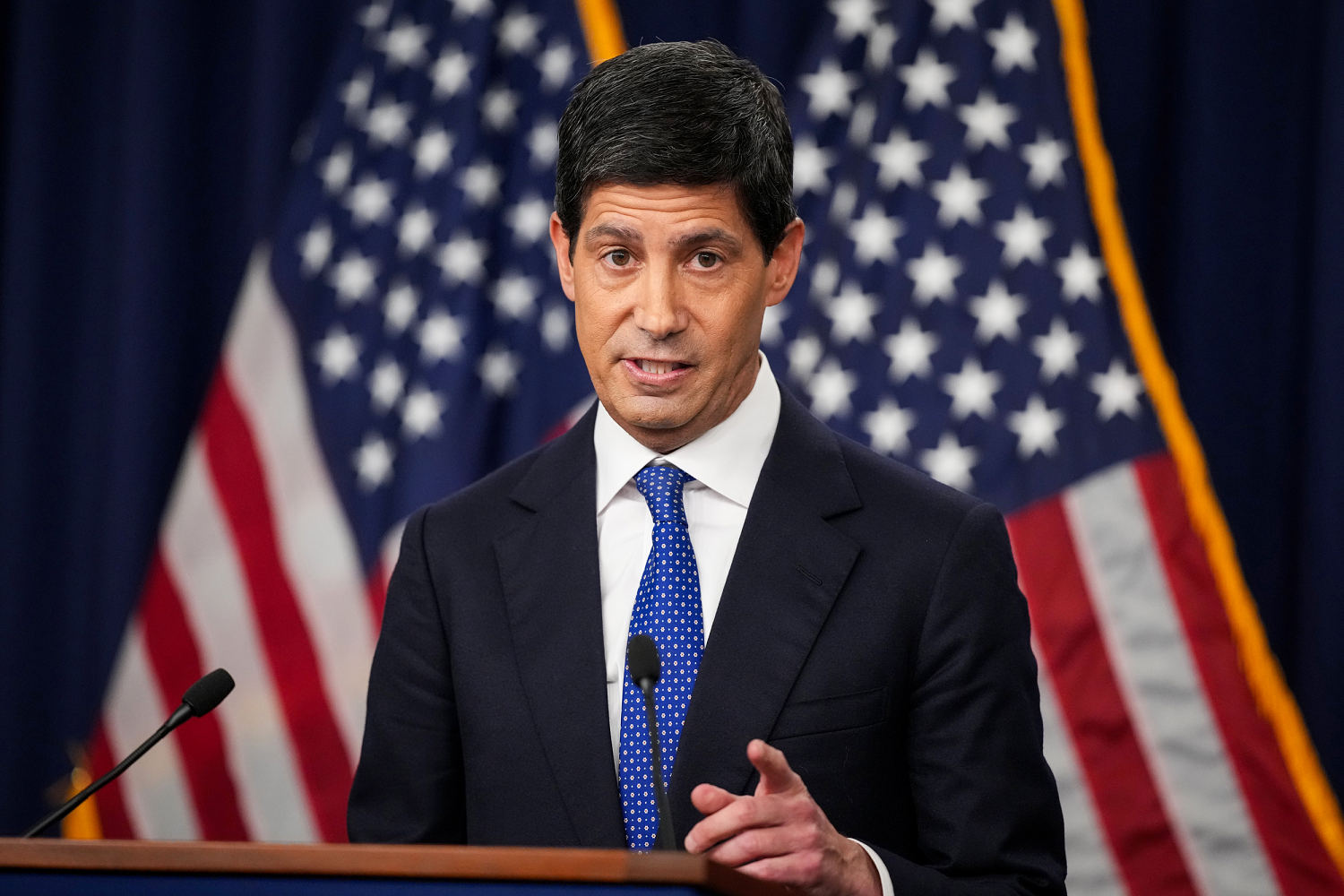
In a significant departure from its traditional approach, the Federal Reserve, under Chairman Kevin Warsh, has announced plans to reduce the number of meetings focused on interest rate decisions. This change, expected to begin in the fall of 2027, will see the Fed dedicate one of its eight annual meetings to broader economic discussions instead of solely voting on rate adjustments.
Warsh outlined this new strategy, expressing a desire for the Federal Open Market Committee (FOMC) to engage more deeply in long-term economic considerations. He indicated that the number of these broader discussions would increase to two by 2028, allowing for a more comprehensive exploration of economic issues beyond immediate rate changes.
The announcement follows the Fed’s recent policy statement, which maintained current interest rates without changes. Warsh emphasized the importance of balancing timely evaluations of short-term economic conditions with strategic long-term planning. He stated, “Getting policy right involves assessing near-term developments at timely, regular and information-rich intervals,” while also reserving time for broader, strategic deliberations.
This shift is notable as it marks a significant alteration to the Fed’s operational calendar, which has historically included eight meetings per year dedicated to rate-setting since 1981. Warsh’s decision to discuss the possibility of fewer rate-setting meetings has been under consideration since July, as reflected in FOMC meeting minutes.
Critics have long debated the potential risks of reducing the frequency of these meetings, fearing that it may hinder the Fed’s ability to respond swiftly to economic fluctuations. However, Warsh’s leadership is characterized by a series of changes aimed at streamlining processes, including a reduction in the length of policy statements and a move away from providing forward guidance about future economic forecasts.
As the Federal Reserve embarks on this new path, it sets itself apart from other major central banks, such as the Bank of England and the Bank of Japan, which maintain more regular meetings focused on interest rate decisions. This evolution in policy reflects Warsh’s broader vision for the Fed as it navigates the complexities of the current economic landscape.
Photo credit: Andrew Harnik