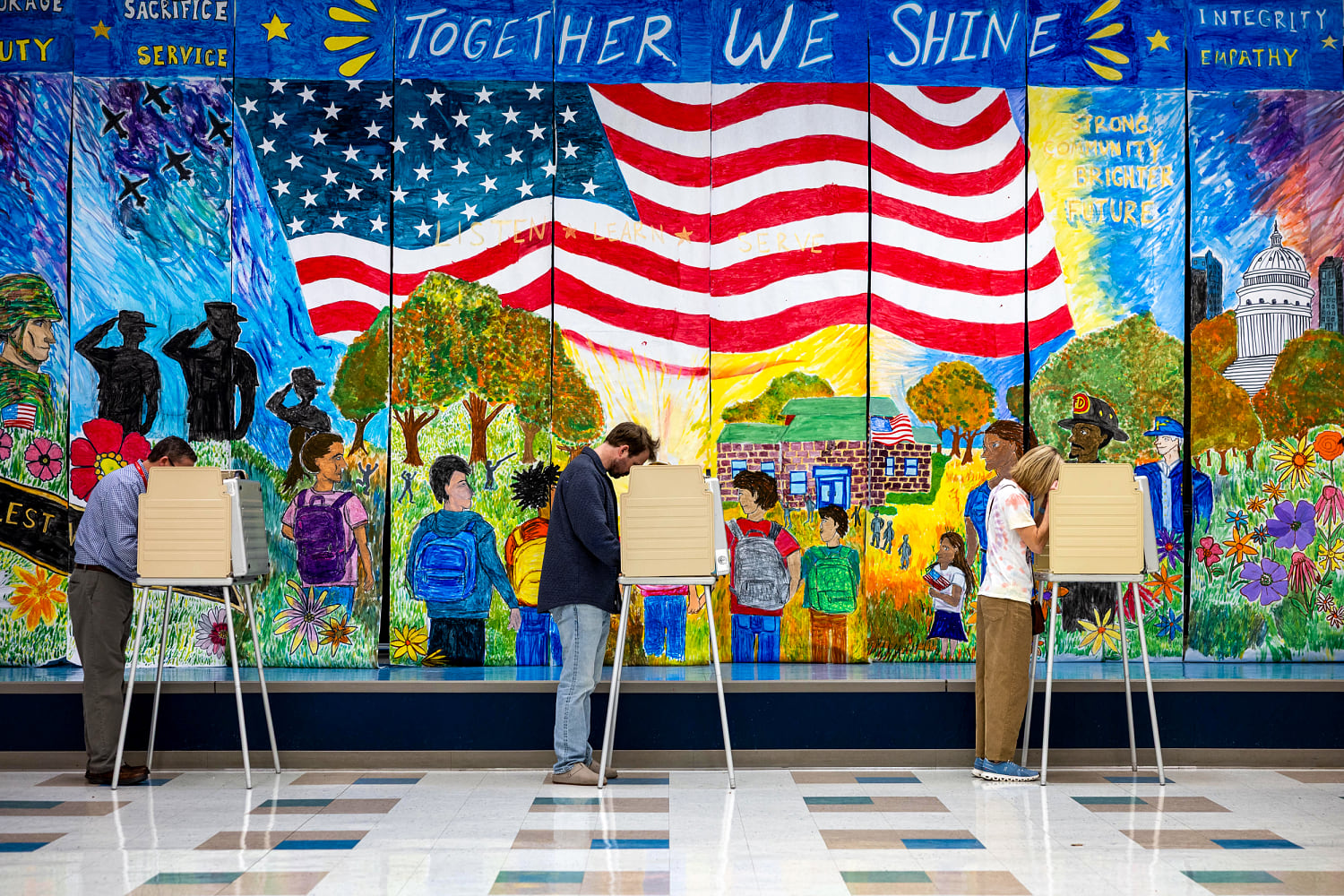
In a significant display of voter sentiment, recent ballot measures across the United States revealed a clear backing for abortion rights, alongside a reaffirmation of voter identification and citizenship requirements for voting. This electoral response underscores the ongoing debates surrounding reproductive rights and voter access in various states.
On Tuesday, voters in more than three dozen states faced nearly 150 ballot measures. Among the most contested was California’s proposed billionaire tax, which remains undecided as votes are still being counted. Many measures addressed critical issues, from taxation to voting regulations, and the results indicate a strong desire for specific policy directions among the electorate.
Notably, four states put forth initiatives regarding abortion rights, with Nevada and Virginia successfully passing measures to enshrine these rights in their constitutions. Both states demonstrated overwhelming support, with margins exceeding 24 points. In contrast, Missouri voters rejected a measure aimed at removing existing protections for abortion rights, while Idaho voters turned down an initiative that would have established a statutory right to abortion.
In the realm of wealth taxation, Washington state voters opted to retain the millionaires tax, while California’s billionaire tax faced a challenging battle, trailing in the vote count. Moreover, nearly a dozen states voted on measures related to voter ID requirements, reaffirming existing laws that mandate photo identification and restrict noncitizen voting.
Furthermore, significant victories for Democrats were evident in redistricting efforts. Missouri voters blocked a Republican-drawn congressional map, while Maryland approved a constitutional amendment facilitating a Democratic-led redistricting process. These decisions reflect broader political dynamics and the evolving landscape of electoral power.
On the issue of transgender rights, voters in Arizona supported a GOP-backed measure requiring schools to classify sports teams based on students’ sex assigned at birth, a reflection of the increasing focus on gender identity in legislative measures.
The results of these ballot measures highlight an engaged electorate navigating complex social and political landscapes, signaling potential shifts in policy and governance in the coming years.
Photo credit: Mike Kropf