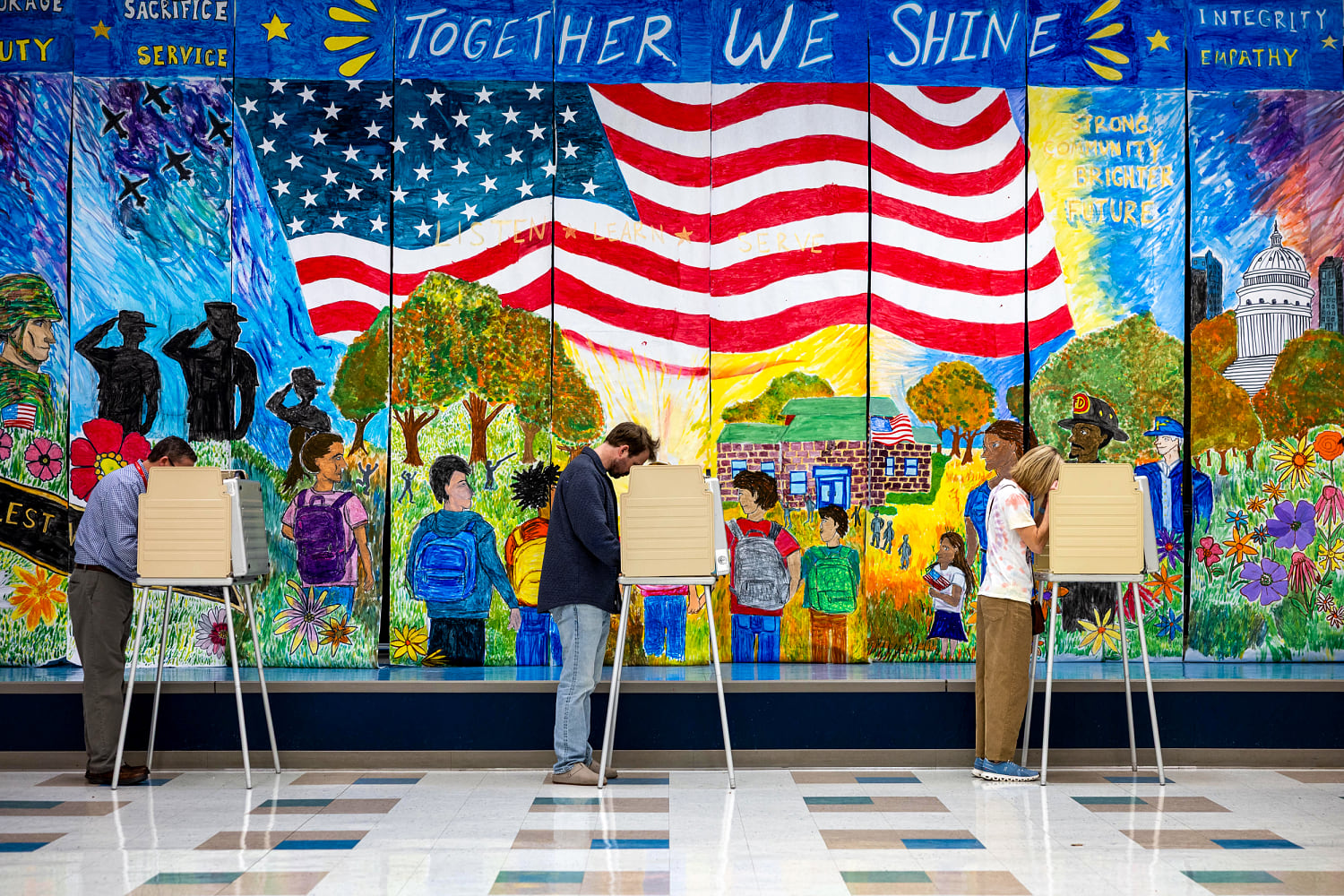
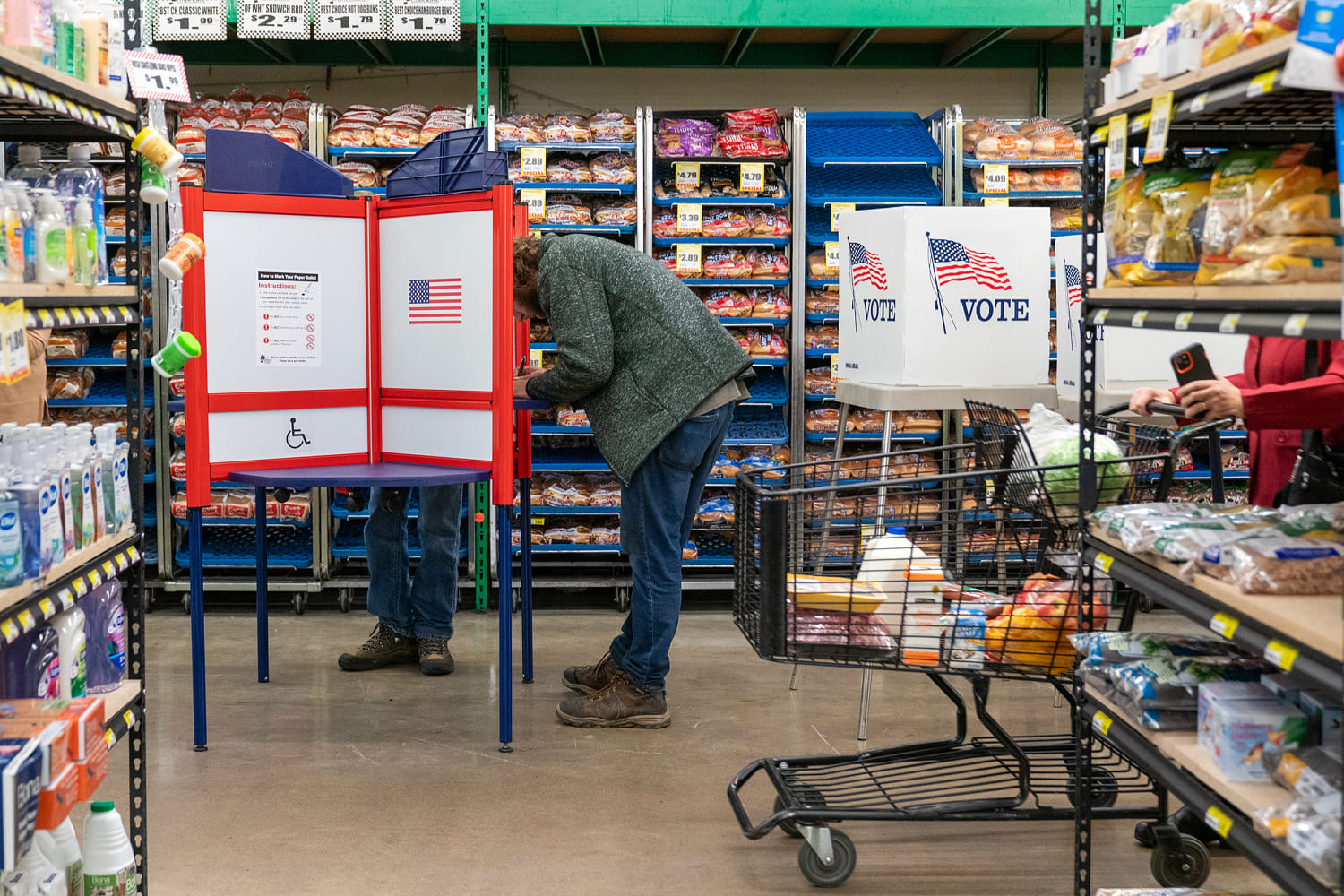
In the aftermath of significant electoral gains, Democrats are now confronted with the challenging task of translating their affordability promises into tangible results for American voters. This electoral success was driven by a widespread discontent with the economy, as evidenced by recent exit polls indicating that over 80% of voters expressed concerns regarding rising prices for essentials such as gas and groceries.
Unlike previous elections, this year saw a notable shift in voter sentiment, with many trusting Democrats more than Republicans on economic issues. The Democratic Party effectively framed the high cost of living as a central campaign theme, successfully resonating with diverse voter demographics from Kansas to South Carolina.
Following the election projections that indicate Democratic control over Congress, leaders like House Democratic leader Rep. Hakeem Jeffries have reiterated their commitment to addressing affordability challenges. “We are laser-focused on addressing the affordability crisis that has been crushing everyday Americans,” Jeffries stated on NBC’s “TODAY” show.
However, the path to implementing policies that could alleviate economic pressures is fraught with obstacles. Democrats are considering legislative actions aimed at reducing tariffs and reinstating healthcare funding cuts, but these initiatives hinge on cooperation from the White House, which could pose a significant hurdle given the possibility of presidential vetoes.
Despite the historical victories for Democrats, they must tread carefully, as the previous administration’s promises to curb living costs ultimately yielded mixed results. Economic discontent continues to loom large, with many Americans feeling that the benefits of economic growth have not been equally shared. As Democrats strive to fulfill their campaign pledges, the challenges ahead will test their resolve and ability to enact meaningful change.
Photo credit: Nick Oxford