
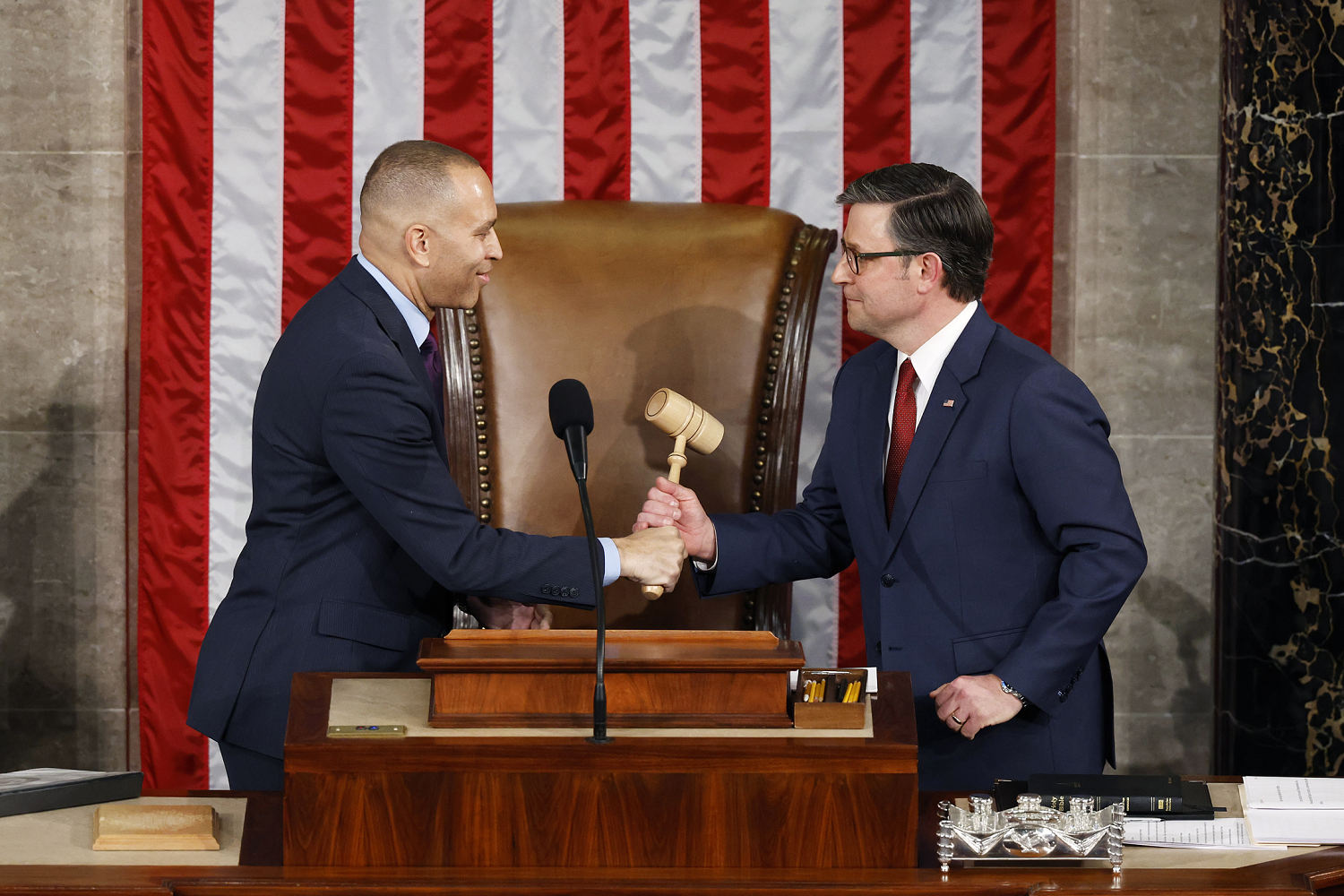
The upcoming 2026 midterm elections are shaping up to be a significant test of political power in the United States, particularly regarding control of Congress. With Republicans holding narrow majorities in both the House and Senate, Democrats are aiming to make gains that could shift the balance of power in Washington.
As voters head to the polls, the countdown begins for when Americans will learn the outcomes of crucial races. In past elections, results were often quickly determined, but this year, the situation may differ significantly. The speed at which votes are counted varies by state, and the closeness of races could delay projections on which party holds the majority.
Polling indicates that Democrats are favored in several key Senate races, and if these predictions hold, NBC News could potentially declare control of both chambers on election night. However, the likelihood remains that many results will take longer to verify.
Understanding Senate Control Projections
Senate control hinges on several competitive races that NBC News categorizes as toss-ups or leaning Democratic. To secure a majority, Democrats need to win five out of eight of these closely contested seats, which could lead to a lengthy counting process, especially if races are tight.
States like Iowa and Texas are known for their quick ballot counting. In contrast, states such as New Hampshire and Michigan may take longer due to decentralized voting processes, resulting in a delay in determining outcomes. If any races come down to Alaska, the timeline could extend even further due to ranked-choice voting, complicating the election night results.
House Control and Its Implications
Over in the House, Democrats require a net gain of only three seats to flip control. However, the overall size of the majority that either party might achieve will be critical in determining the decision desk’s ability to project control promptly. A slim majority would likely mean a prolonged wait for definitive results.
As seen in prior elections, if the size of the majority is narrow, the decision desk could take days or even weeks to confirm which party has achieved the needed 218 seats for control. Additionally, ranked-choice voting in certain districts, like those in Maine and Alaska, could further delay the final count.
As Americans await the results, the NBC News Decision Desk will employ its statistical models to estimate the total seats won by each party, possibly providing insights on election night. Early indicators, such as results from districts with prompt polling closures, will serve as bellwethers for the overall election outcome, potentially foreshadowing a Democratic wave or a continued Republican foothold.
In summary, while the anticipation builds around the 2026 elections, the reality of vote counting and the intricacies of state laws may lead to a drawn-out process for determining which party will ultimately control Congress.
Photo credit: Chip Somodevilla