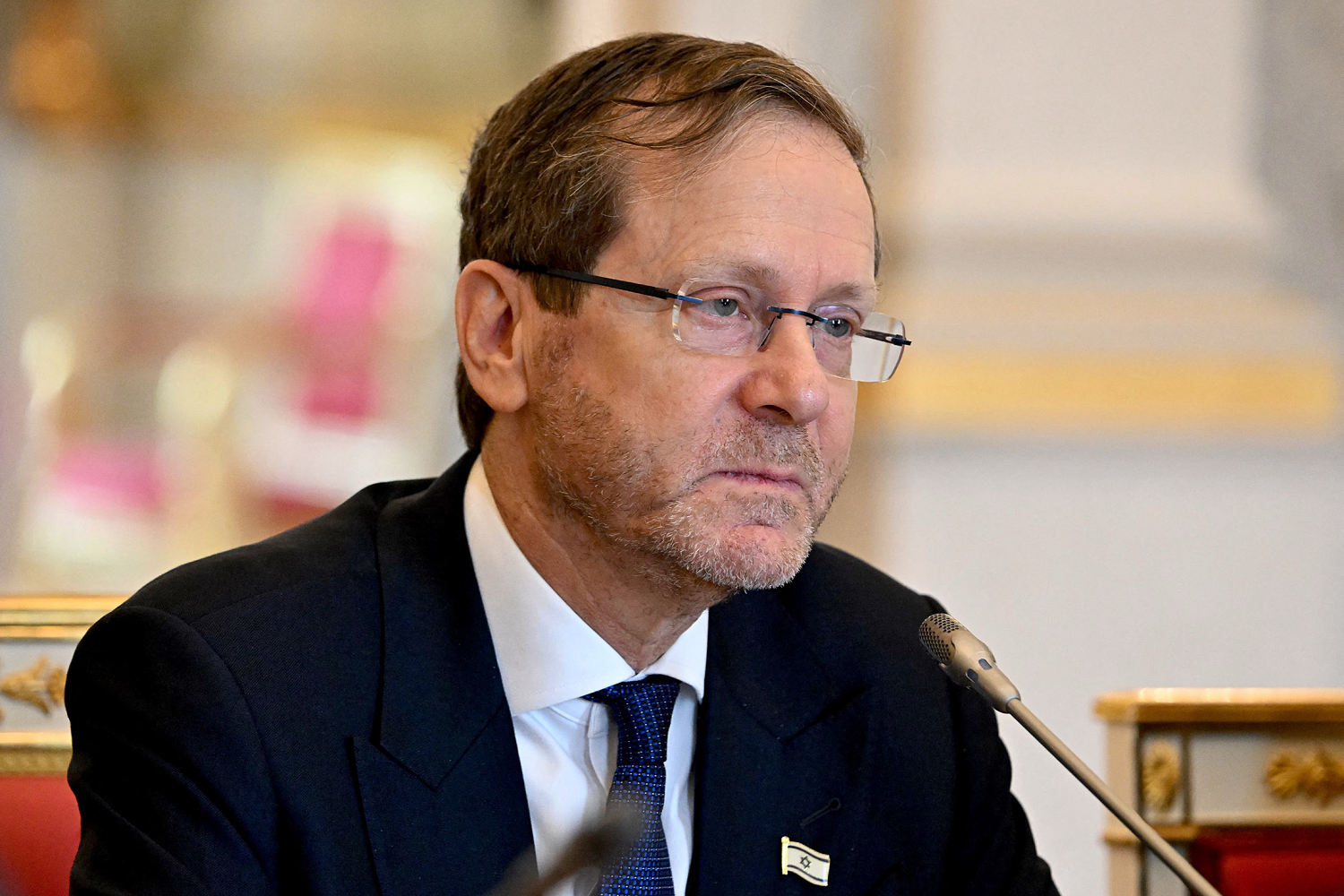
In the wake of Israel’s recent elections, President Isaac Herzog is calling for political unity to avert a new round of elections. He emphasized the need for parties to engage in discussions with “open hearts” as the country grapples with a fragmented political landscape.
The elections last week saw Prime Minister Benjamin Netanyahu’s coalition fall short of a majority, securing just 53 seats in the 120-member Knesset. Meanwhile, Gadi Eisenkot’s bloc, representing the opposition, captured 48 seats, creating a political deadlock with no clear path to governance for either side.
Significantly, the balance of power now lies with the Arab parties, which have increased their representation to 19 seats in parliament. Both Netanyahu and Eisenkot previously ruled out collaboration with these parties, which complicates the situation further.
Netanyahu has continued to criticize the Arab factions, alleging unacceptable positions regarding Gaza and the West Bank. In contrast, Eisenkot appears more open to dialogue, provided that certain conditions regarding Israeli sovereignty and opposition to Hamas are met. This stance could potentially pave the way for coalition negotiations that bypass the need for another election.
As the largest party leader, Netanyahu remains in place as a caretaker until a new government is formed. Herzog is set to begin consultations with party leaders, a process that is expected to take weeks and will be crucial in determining the next steps for Israeli politics.
Herzog’s statement highlighted the urgency of the moment, urging representatives to come prepared to listen, share ideas, and find “creative solutions” to prevent further electoral uncertainty. He remarked, “The election results are a fact. They are a reality,” stressing the importance of addressing the current political climate responsibly.
However, the relationship between the major parties and the Arab factions remains fraught with tension. Netanyahu has publicly stated that forming a government with Arab party leaders is “forbidden,” citing their past positions on Palestinian statehood and settlement evacuations.
The political landscape is further complicated by Eisenkot’s prerequisite conditions for any potential coalition partners, which some argue undermine the identity of Arab parties. Observers note that, without a significant shift in approach, Israel may remain entrenched in political stalemate.
Experts warn that the tensions within the Israeli political system could lead to a prolonged deadlock. The current situation presents a critical juncture for Israeli democracy, where the choices made will significantly influence the nation’s future governance and societal cohesion.
Photo credit: Attila Kisbenedek